Mujeres de Oro
Design of campaigns and content for communities in Bajo Cauca, Antioquia
Problem
Translating a purpose into images
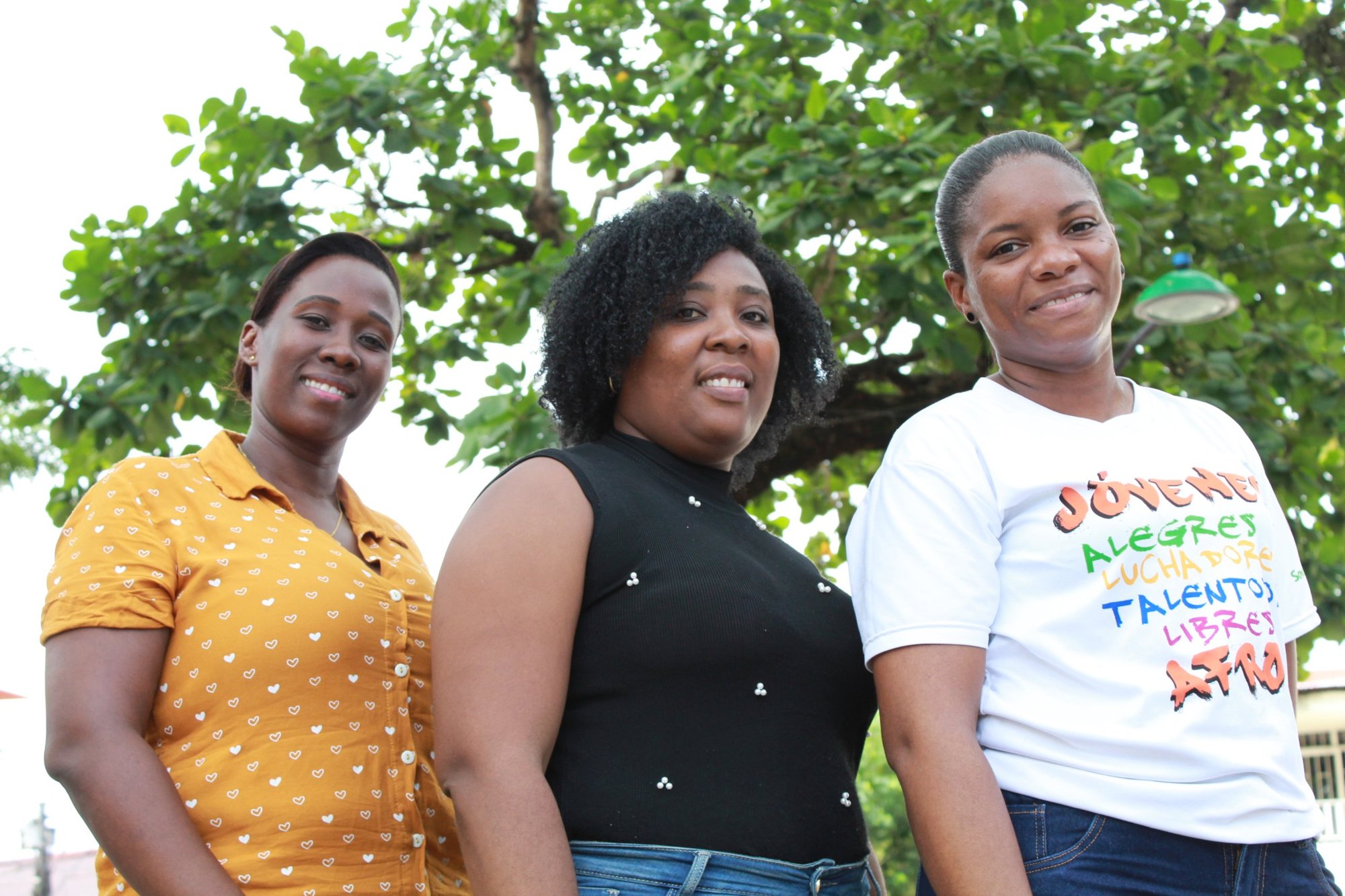
Mujeres de Oro set out to strengthen women’s political participation, economic autonomy and leadership in Bajo Cauca, Antioquia. The challenge was to communicate these goals in communities with diverse realities, where talking about gender equity required understanding the context and the people we were speaking to.
When I arrived, the visual identity was already defined. My challenge was to bring that purpose to campaigns and content, finding for each message a way of representing it that was relevant to those who would receive it, without reducing the work to producing attractive pieces.
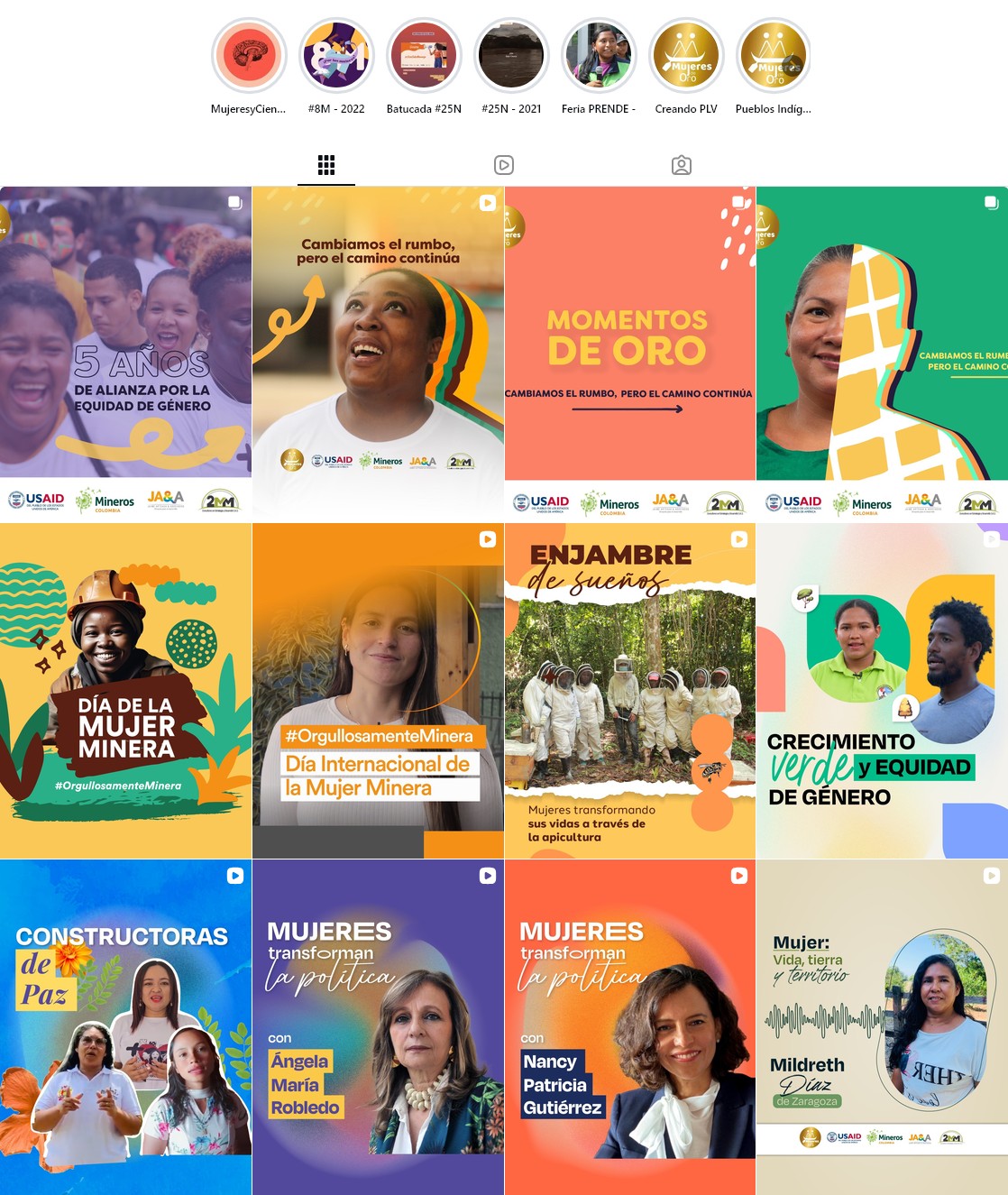
Mujeres de Oro’s Instagram profile, where the project’s campaigns and content ended up.
Context
Designing from a reality I didn’t know
I worked alongside communicators, anthropologists and sociologists who knew the communities of Bajo Cauca, a region marked by inequality and disputes over territory. Their experience helped me better understand the women we were addressing.
The project let me get to know a Colombia I probably wouldn’t have discovered any other way, and it changed how I understand who I’m designing for.
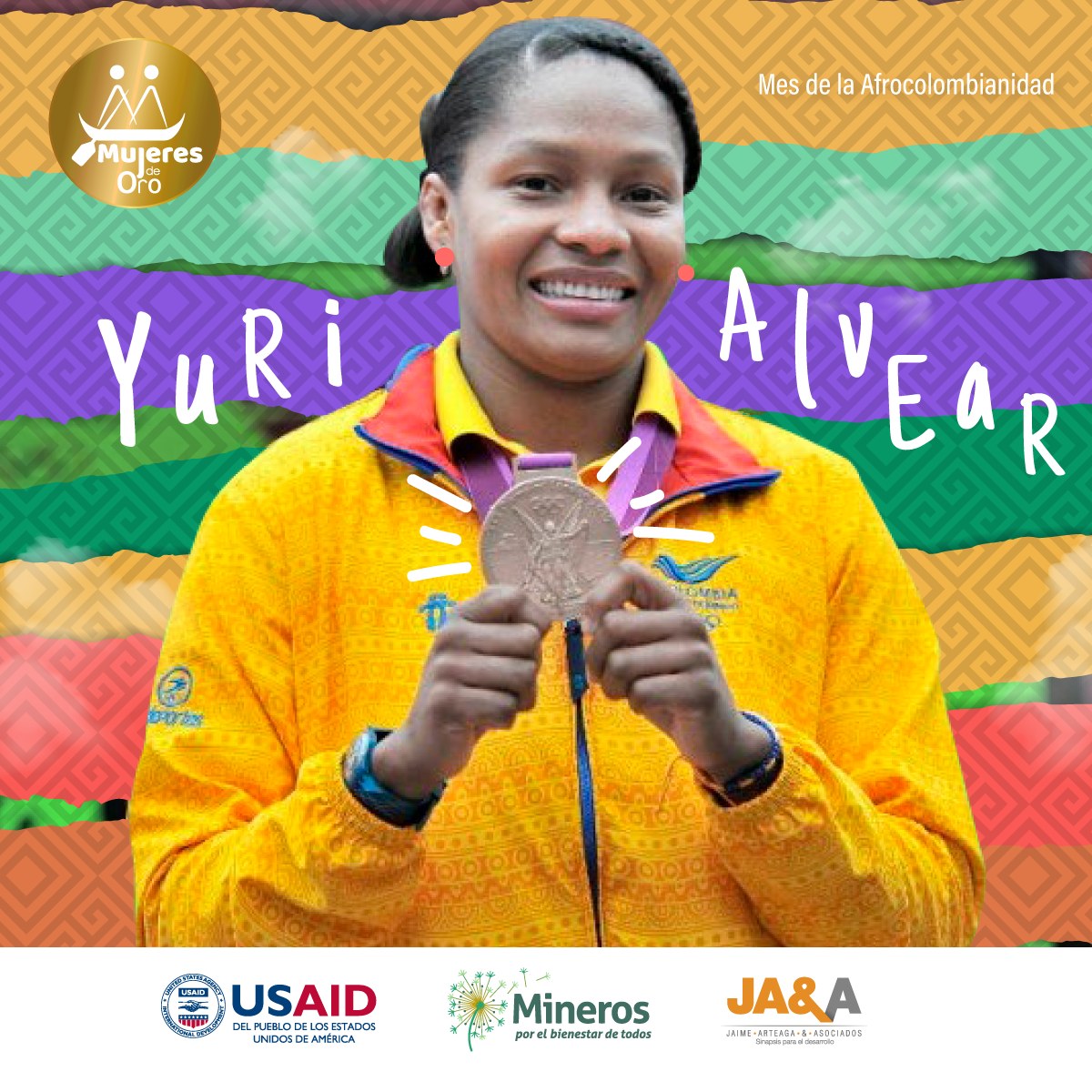
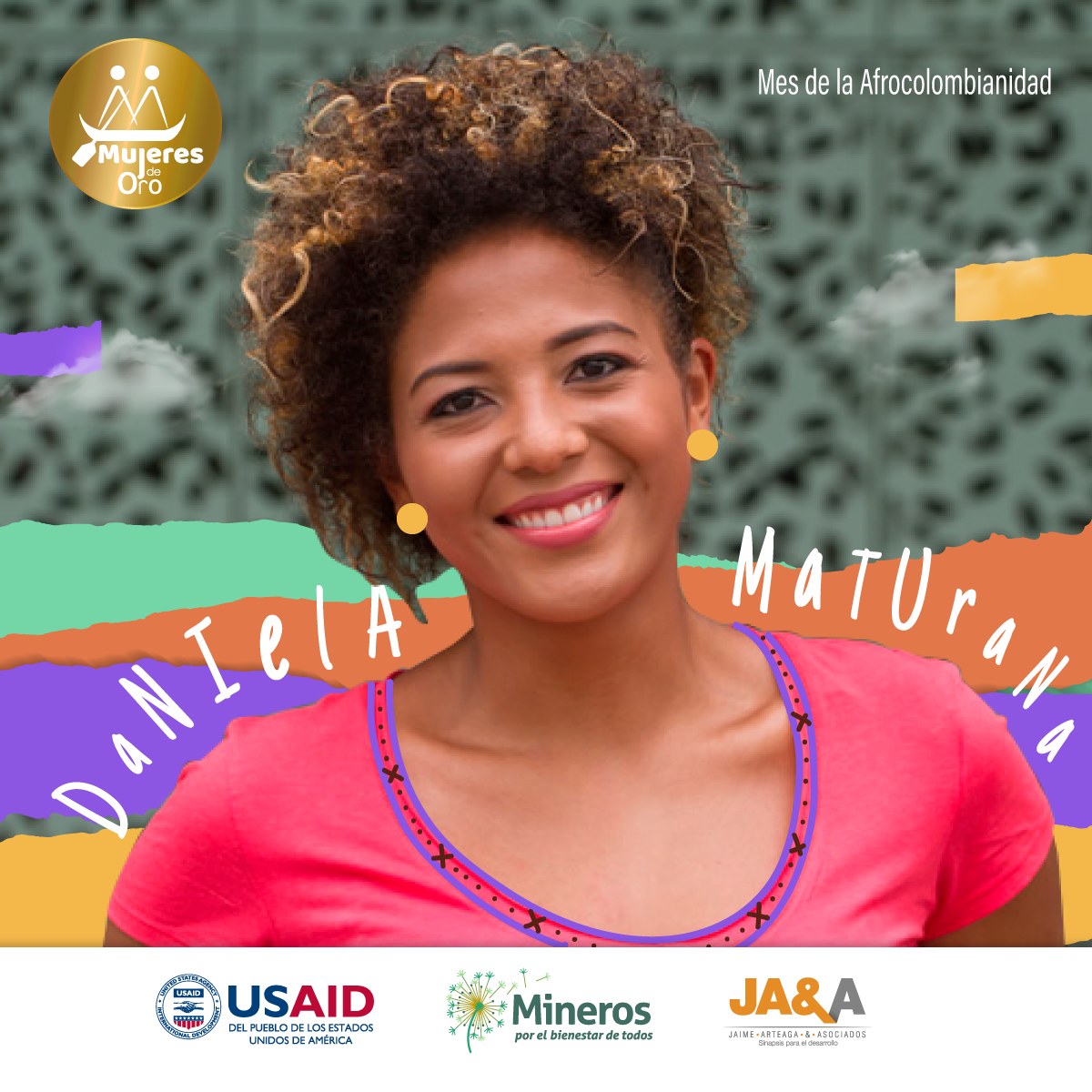
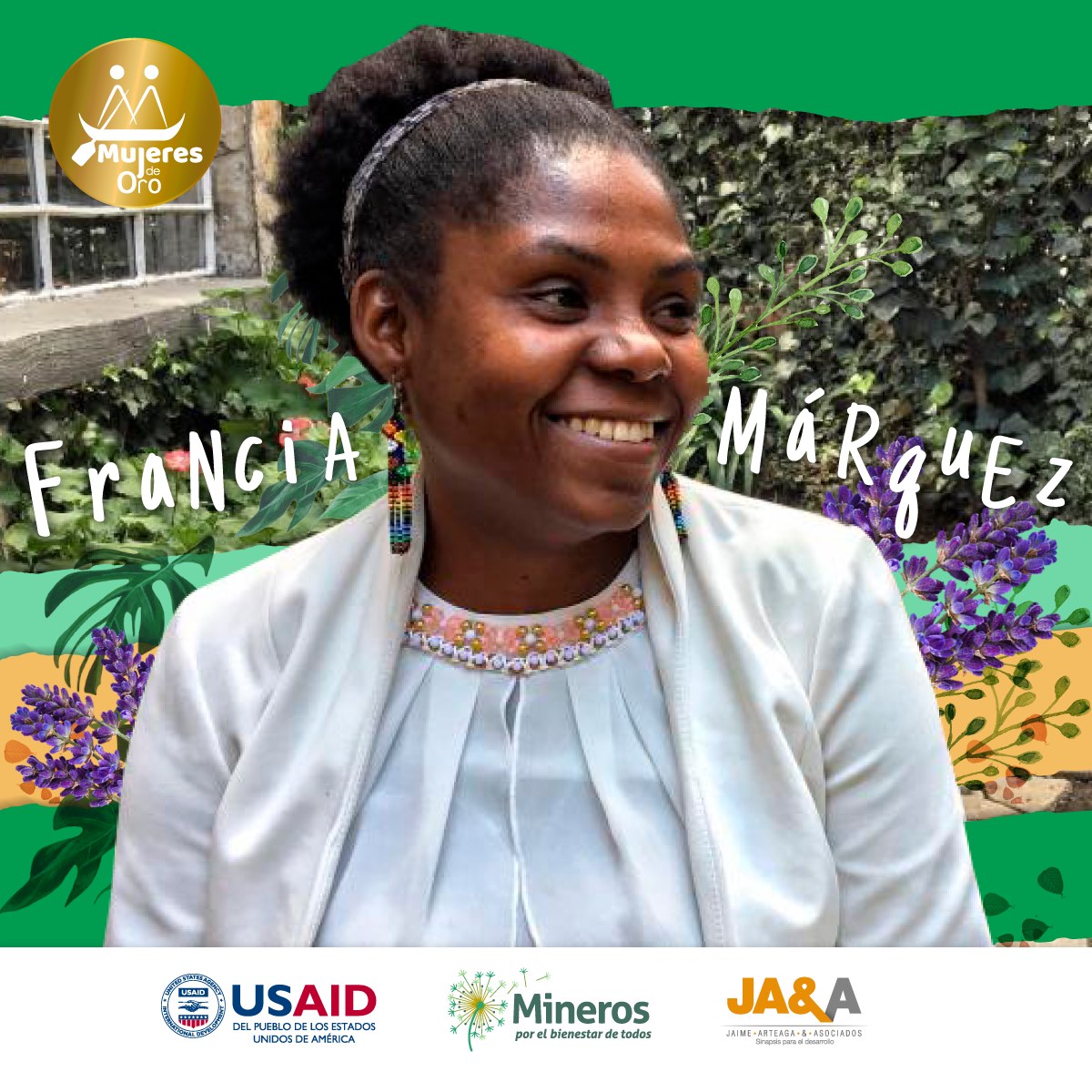
Pieces from the series for Afro-Colombian Heritage Month.
Decisions
Each story called for a different form
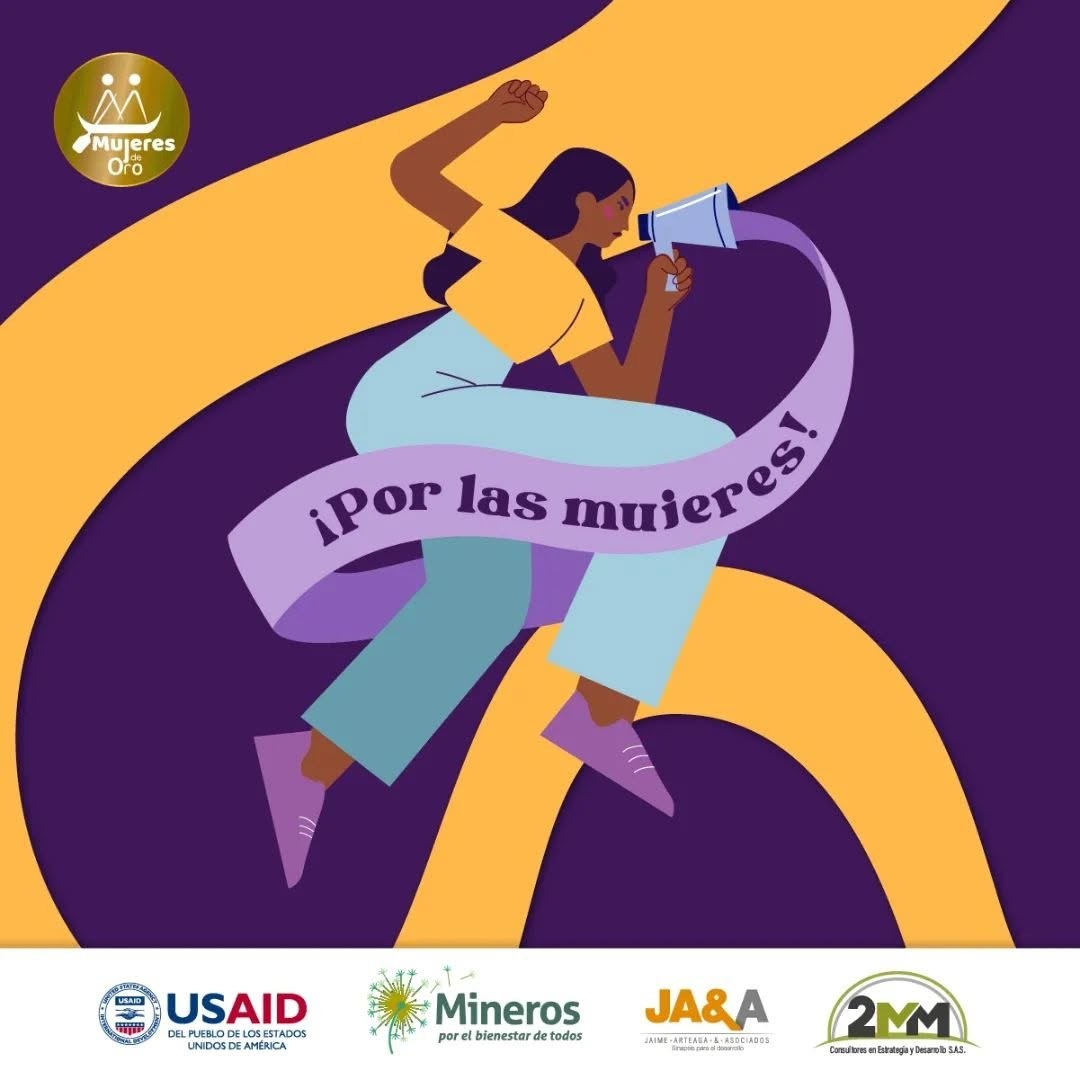
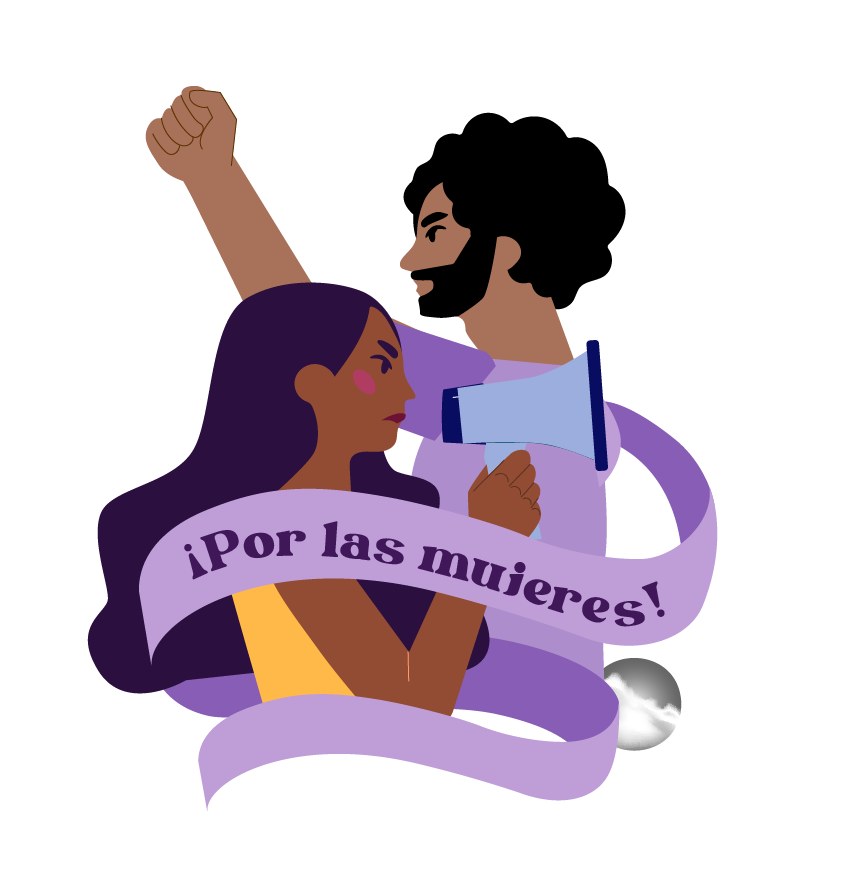
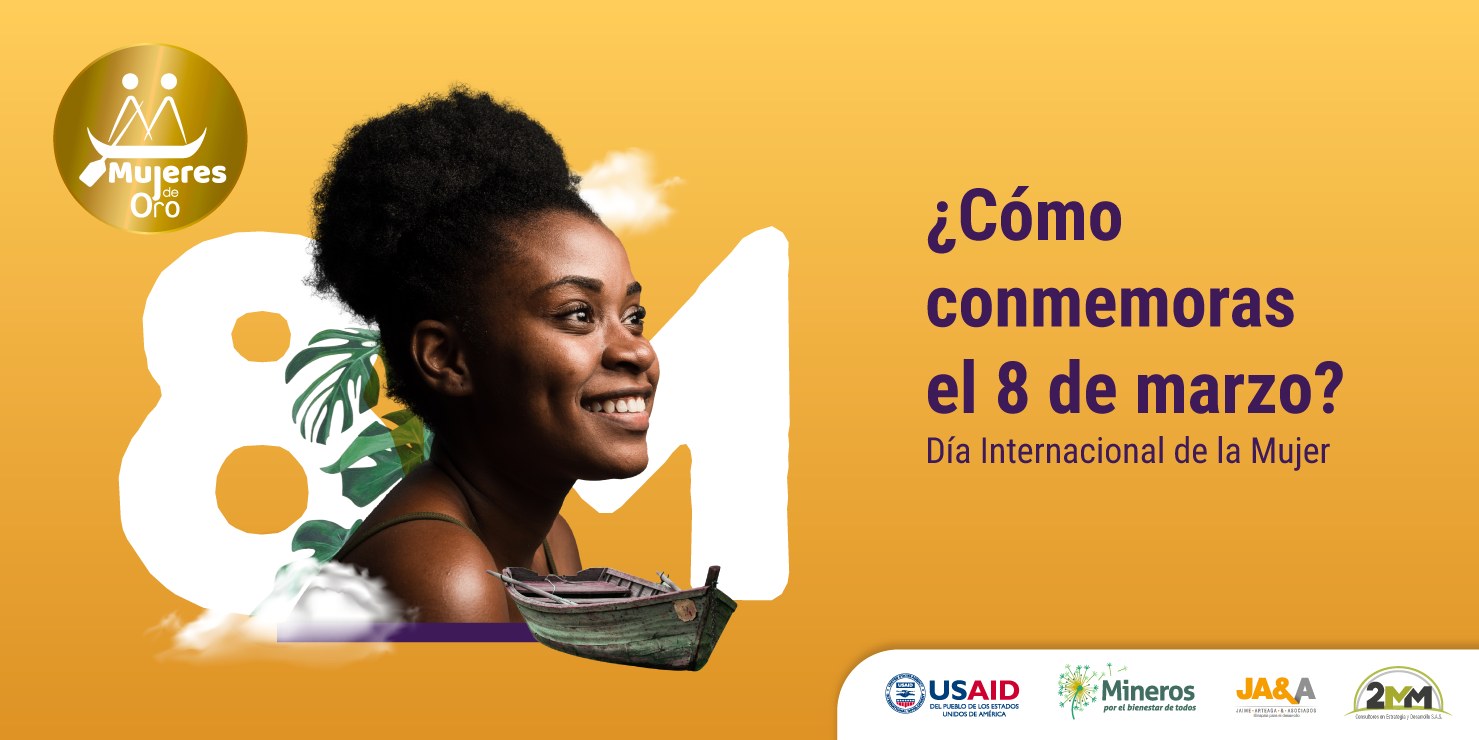
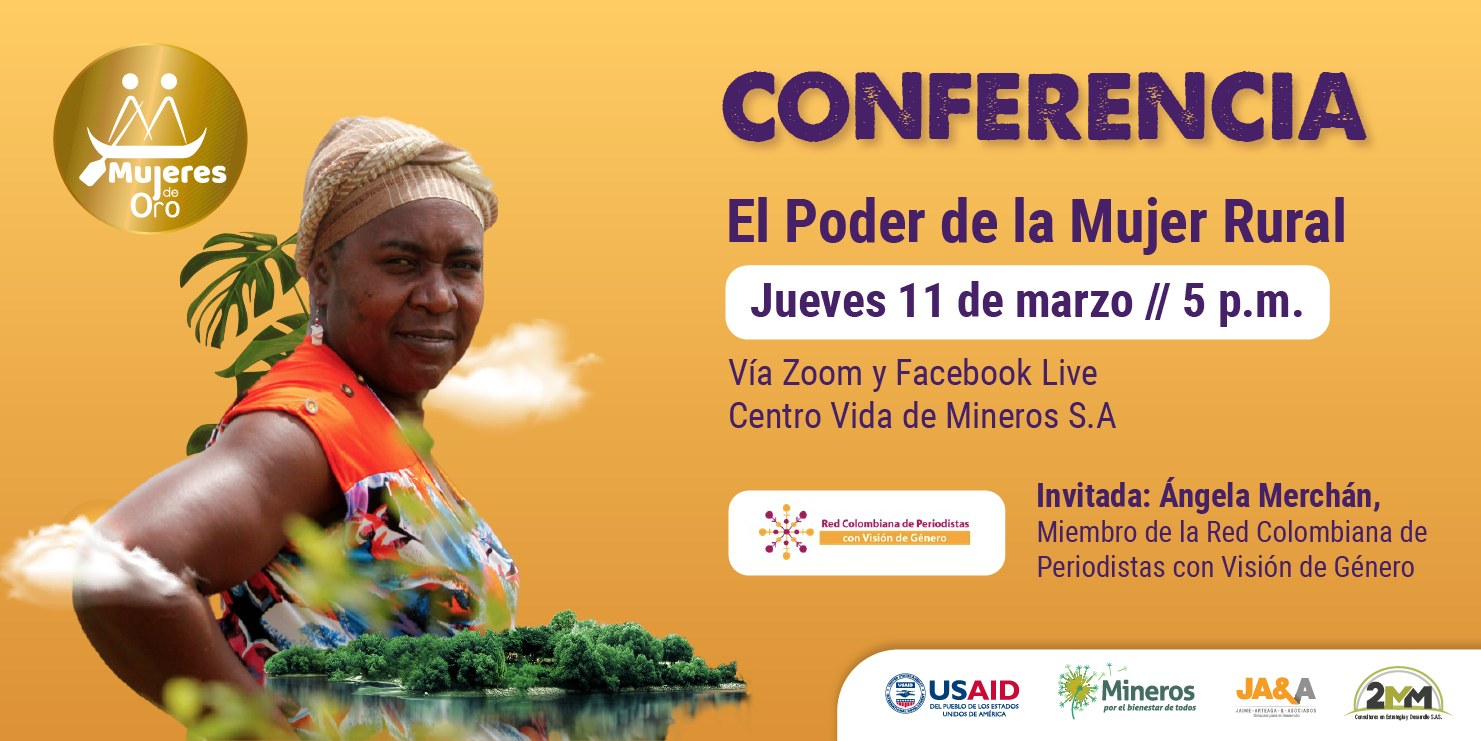
The visual decisions depended on what each story needed to tell. In Mujer: vida, tierra y territorio (Woman: life, land and territory), I developed illustrations inspired by the natural richness of Bajo Cauca and pieces with photographs and testimonies to recognize women’s role in caring for life and their communities.
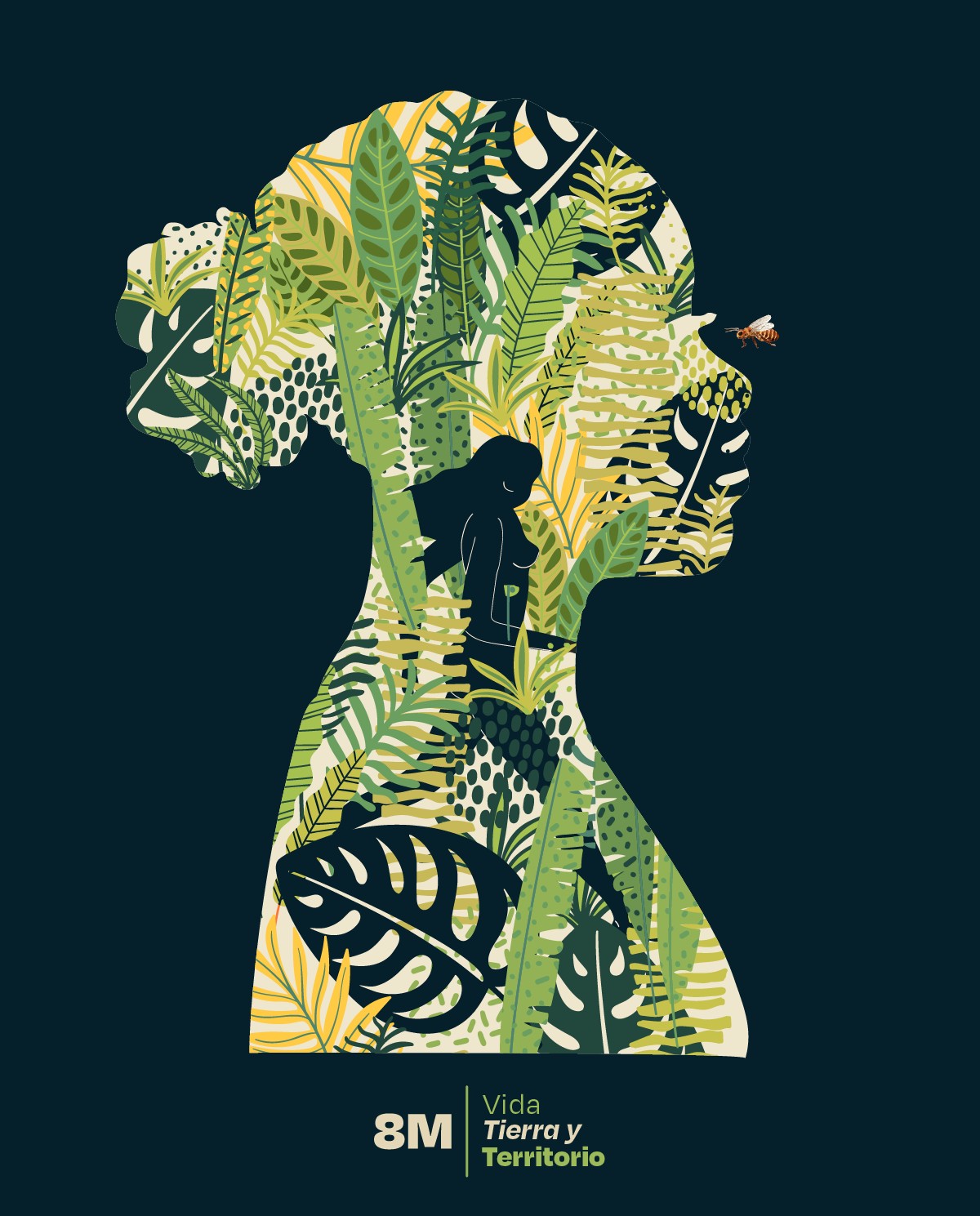
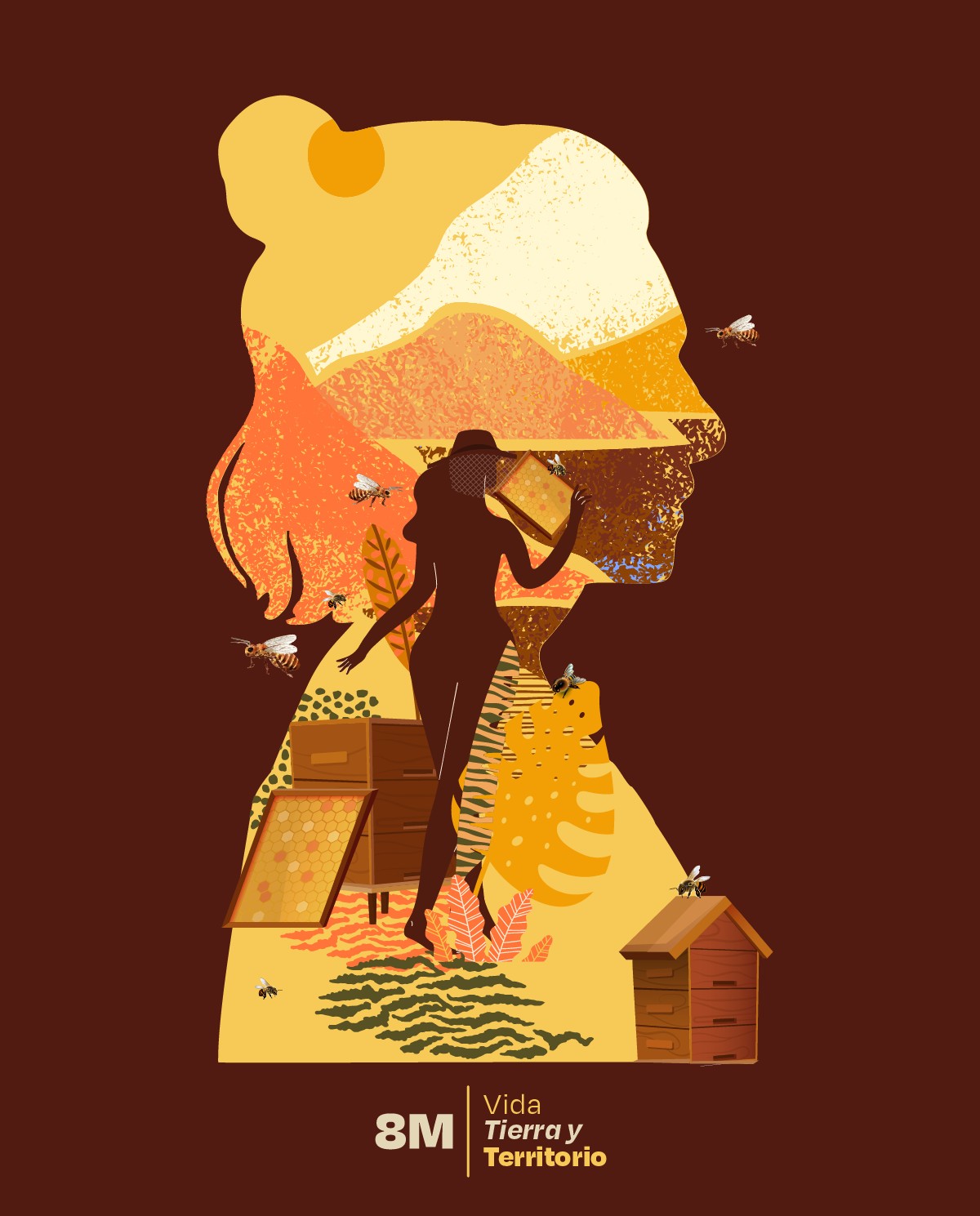
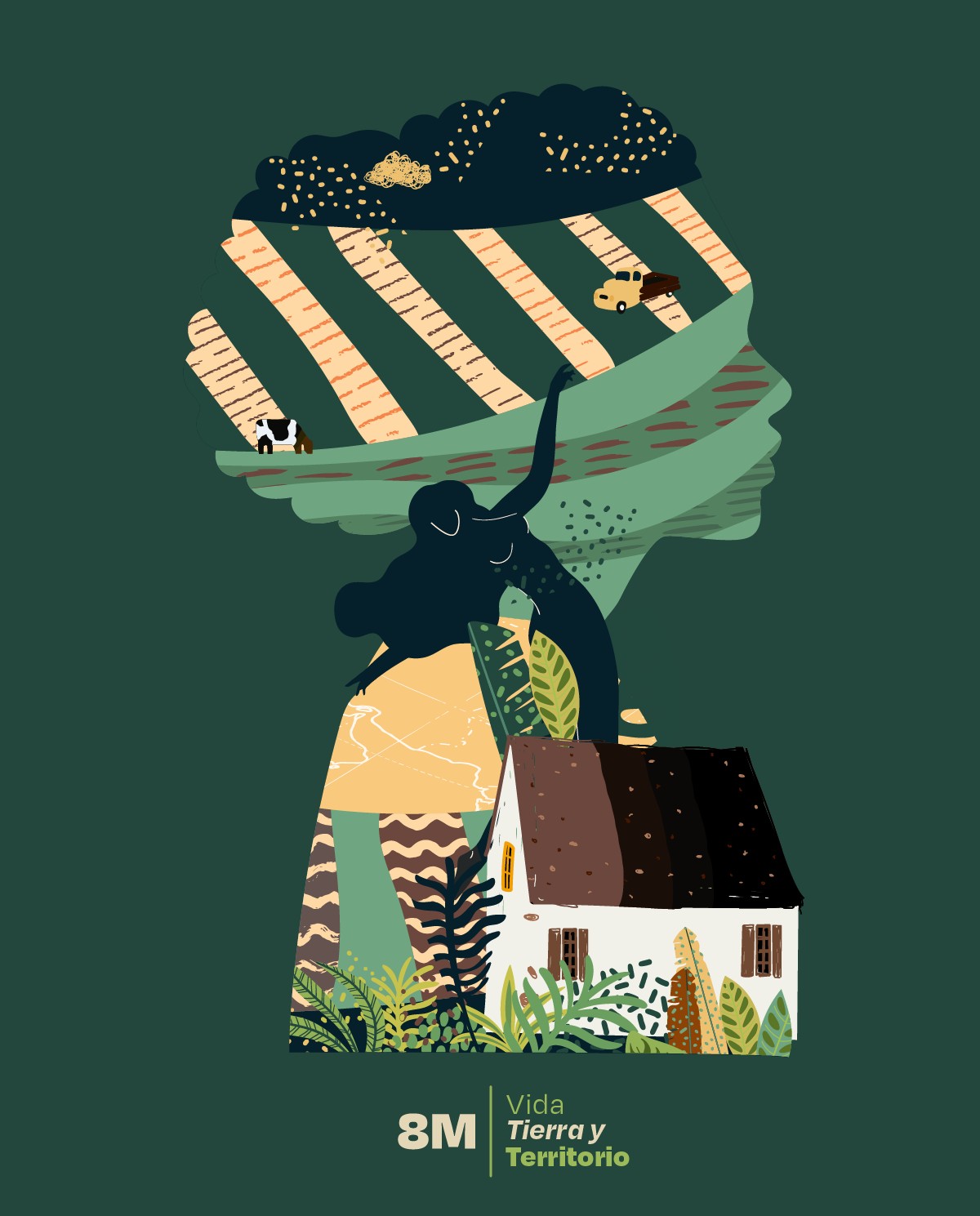
Illustrations from the 8M campaign “Vida, Tierra y Territorio.”
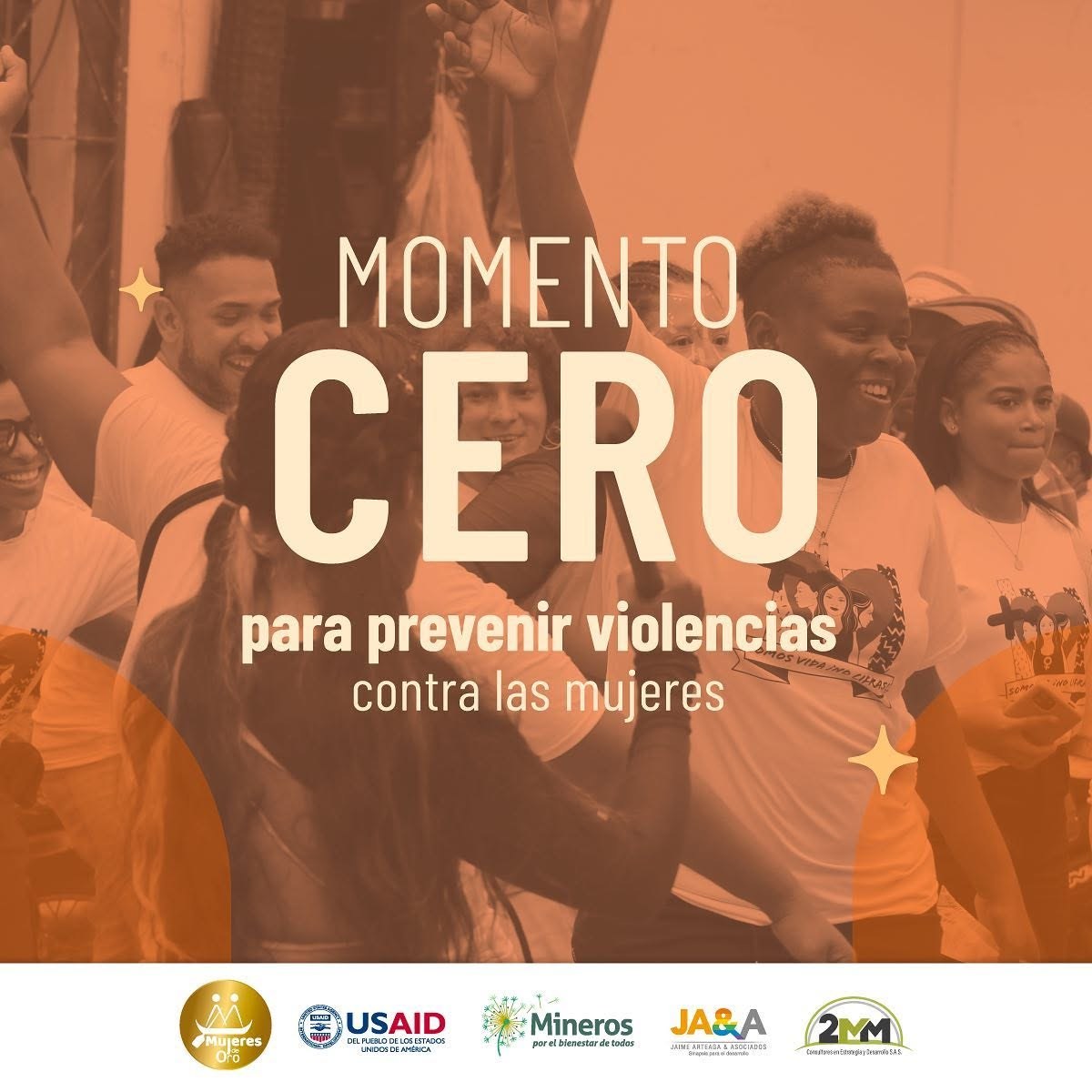
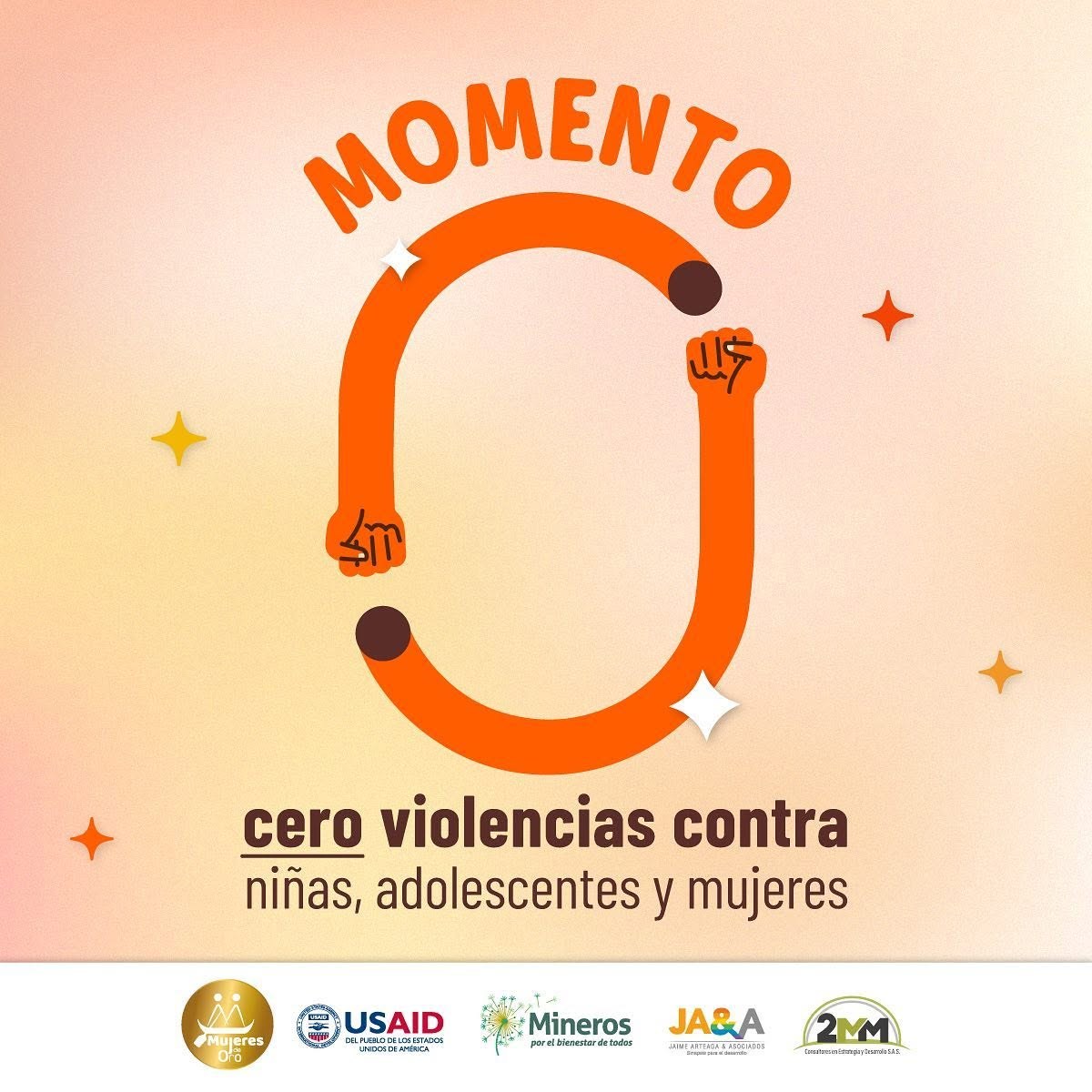
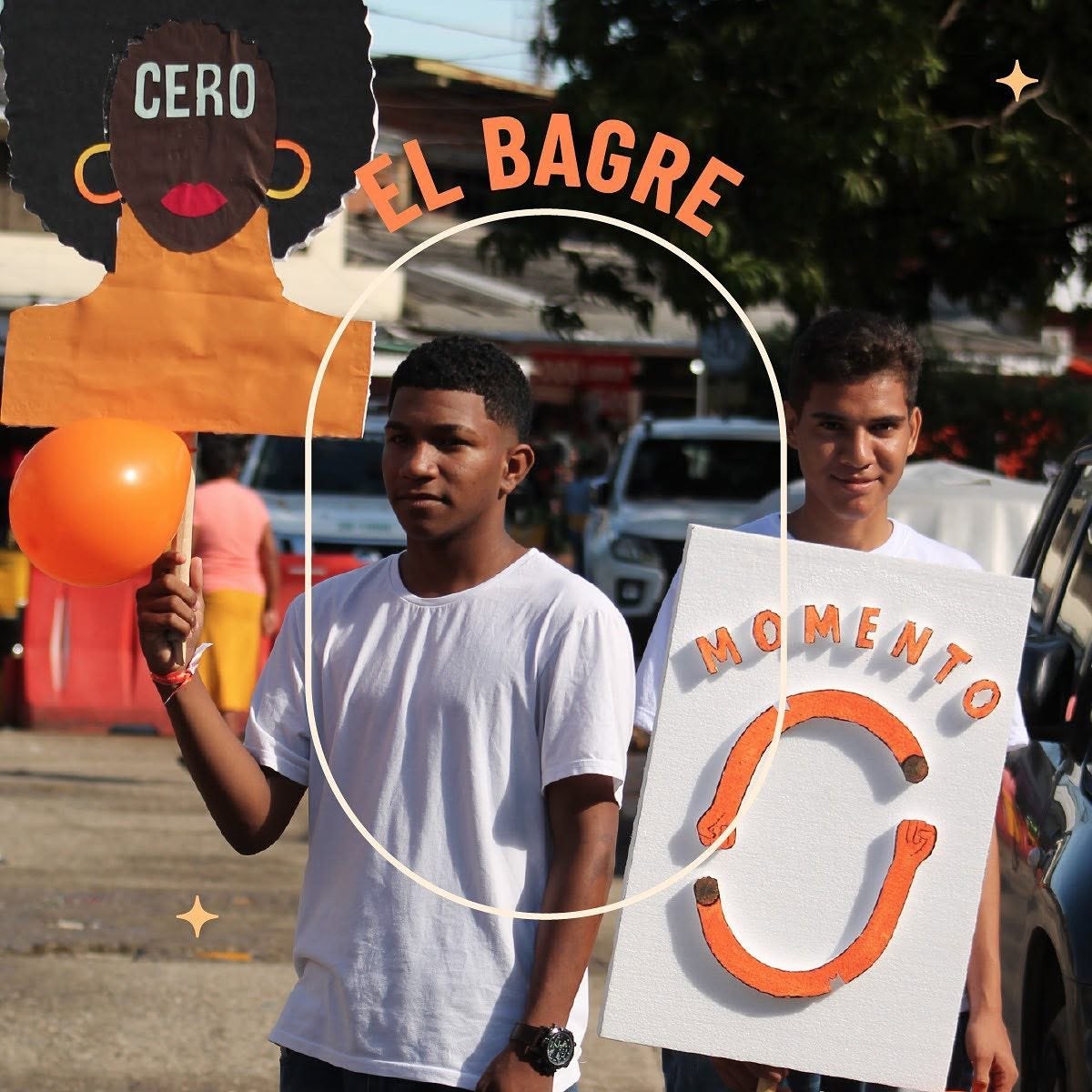
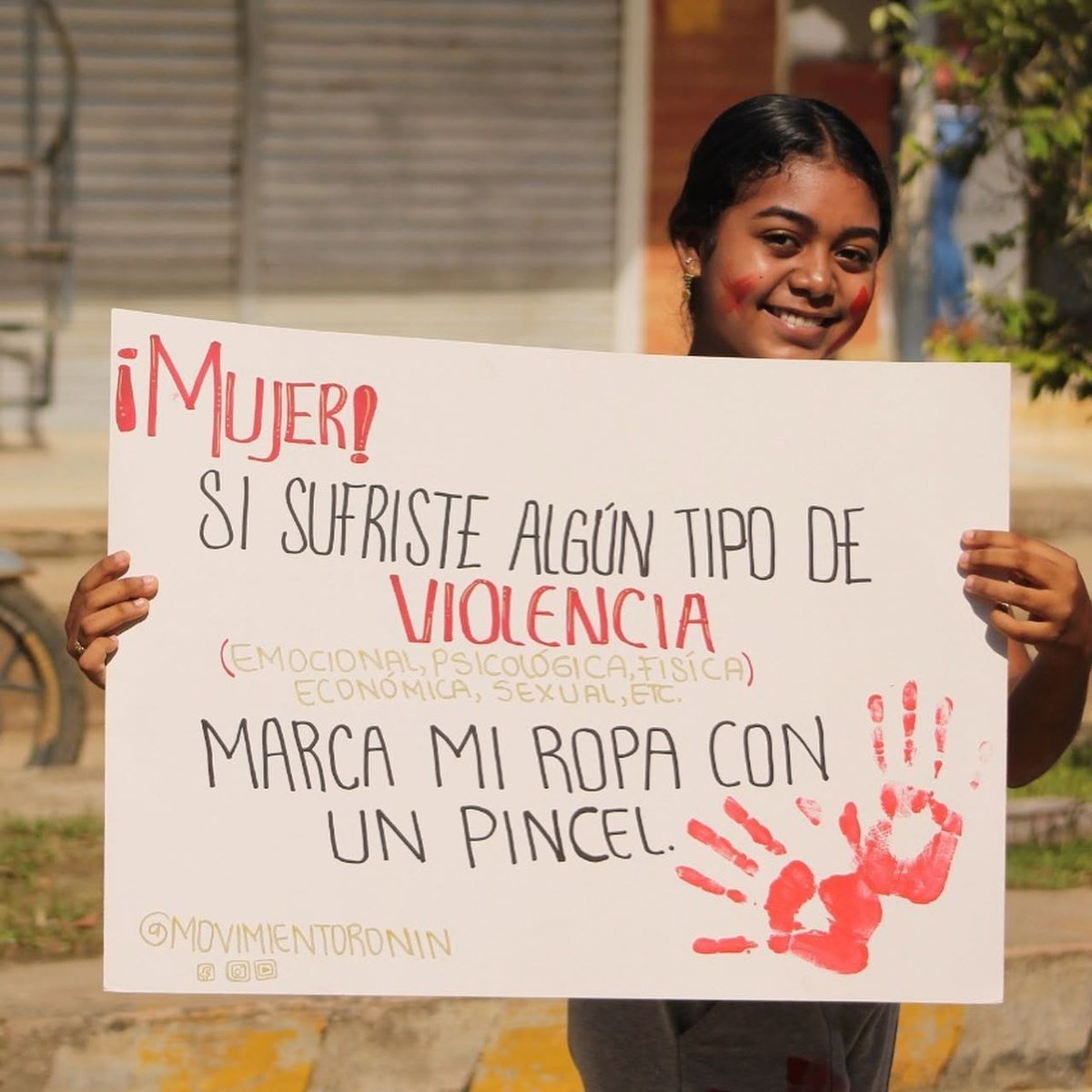
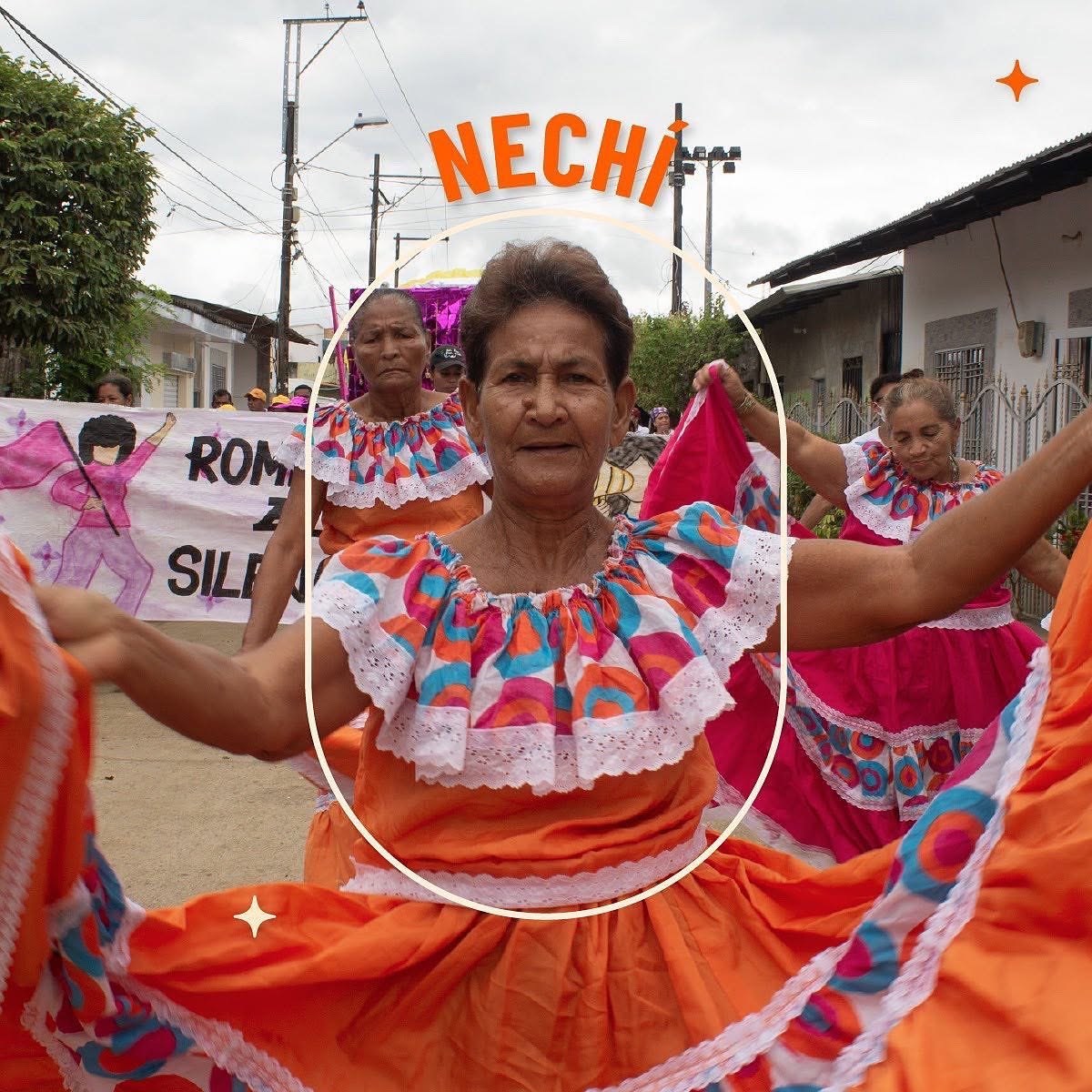
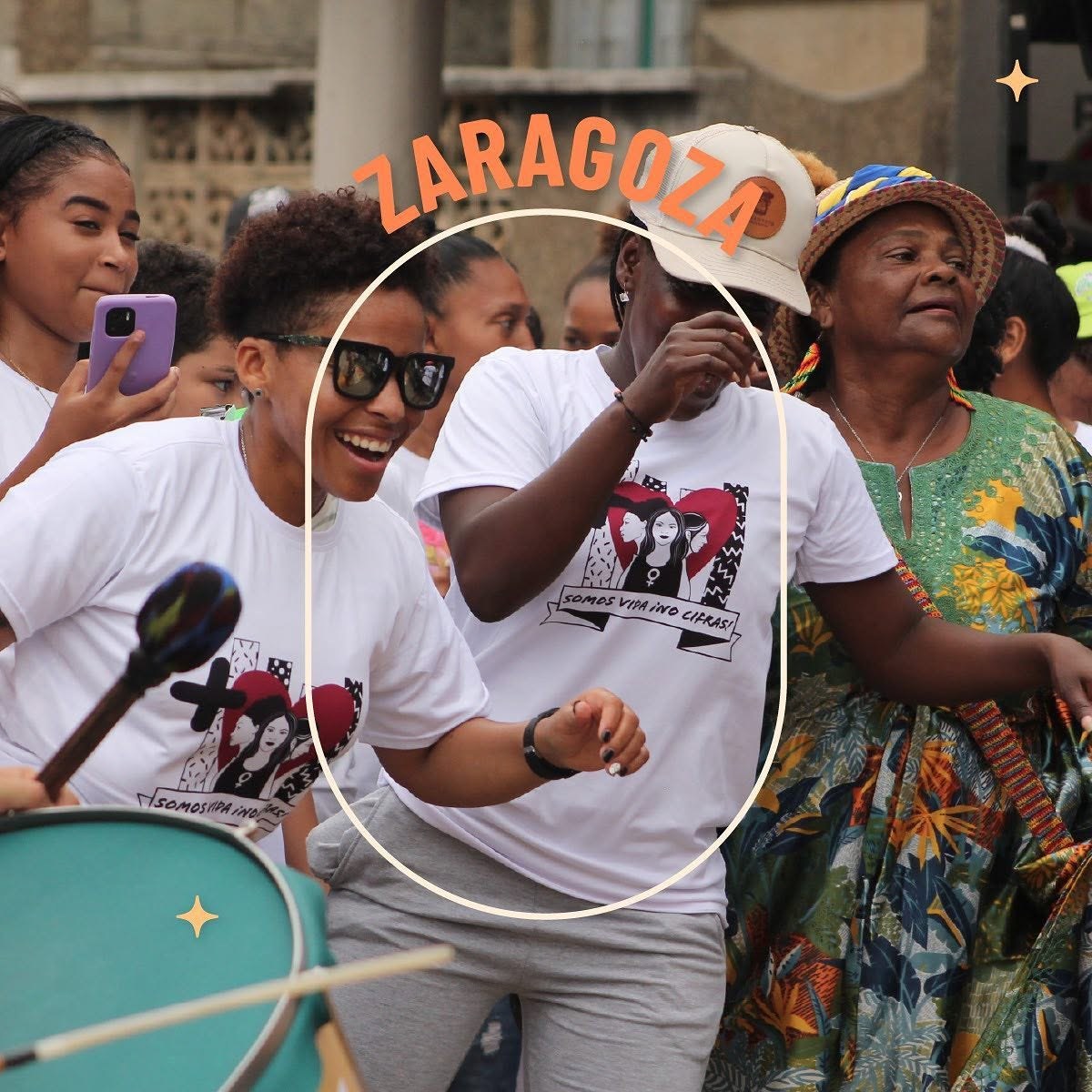
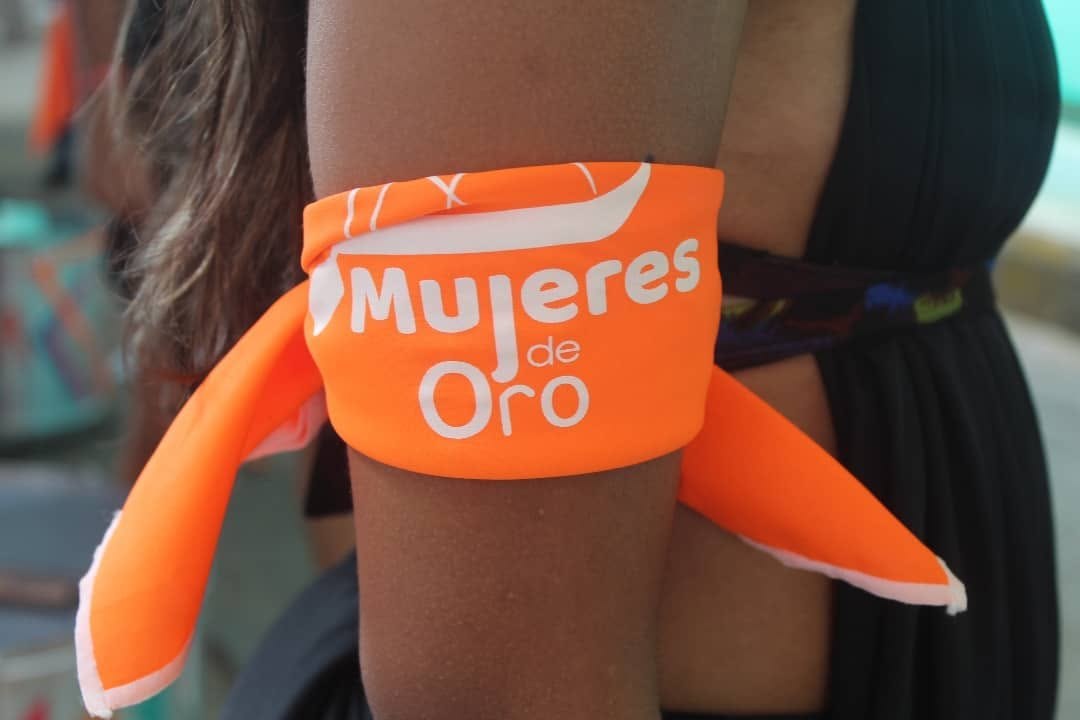
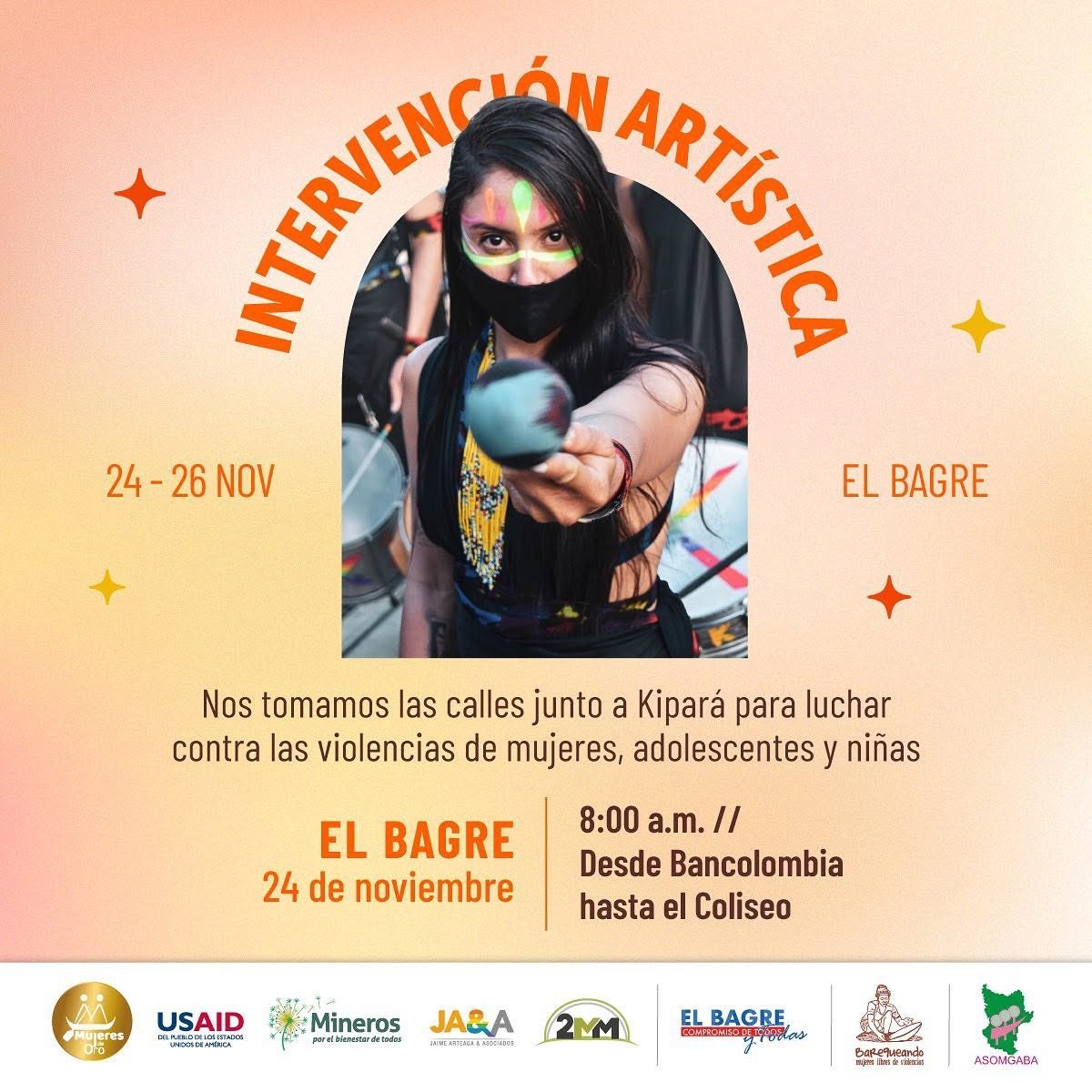
For Momento Cero (Moment Zero), the November 25 campaign against violence toward women, I used orange as a visual link to the international observance, weaving it into Mujeres de Oro’s identity.
Municipal Youth Councils
Videos of the Municipal Youth Councils: Zaragoza, El Bagre and Nechí.
Learnings
Designing from context
Getting to know Bajo Cauca taught me the difference between designing from an office and knowing people up close. Some campaigns that seemed to work in Medellín needed other languages and channels to reach the communities, such as WhatsApp, radio and printed materials, instead of relying on Instagram.
I also learned that representing someone means considering their context and safety. In the case of some women leaders at risk, we chose illustrations instead of photographs to tell their stories without exposing their faces. This experience changed how I understand design and confirmed my interest in communication with purpose.
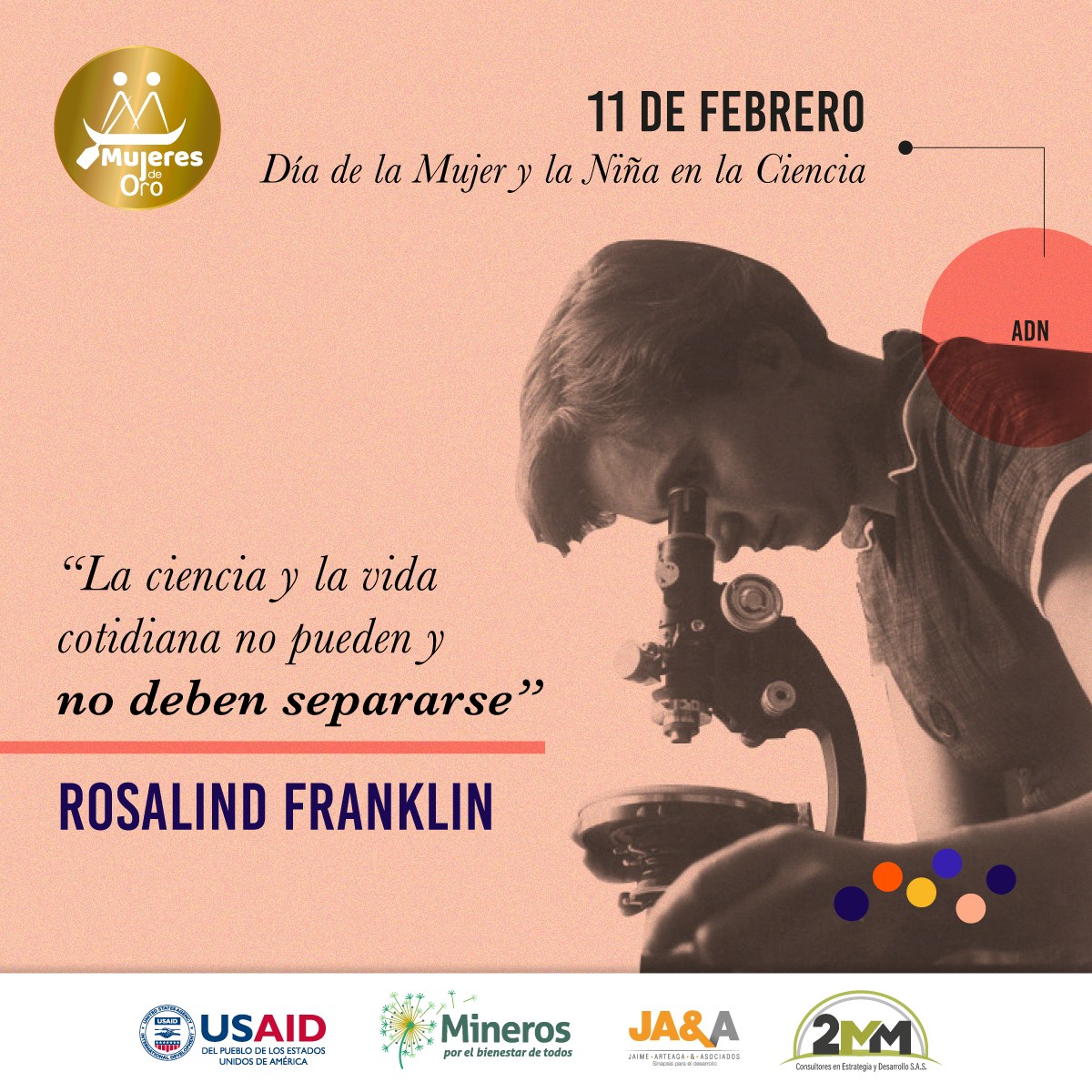
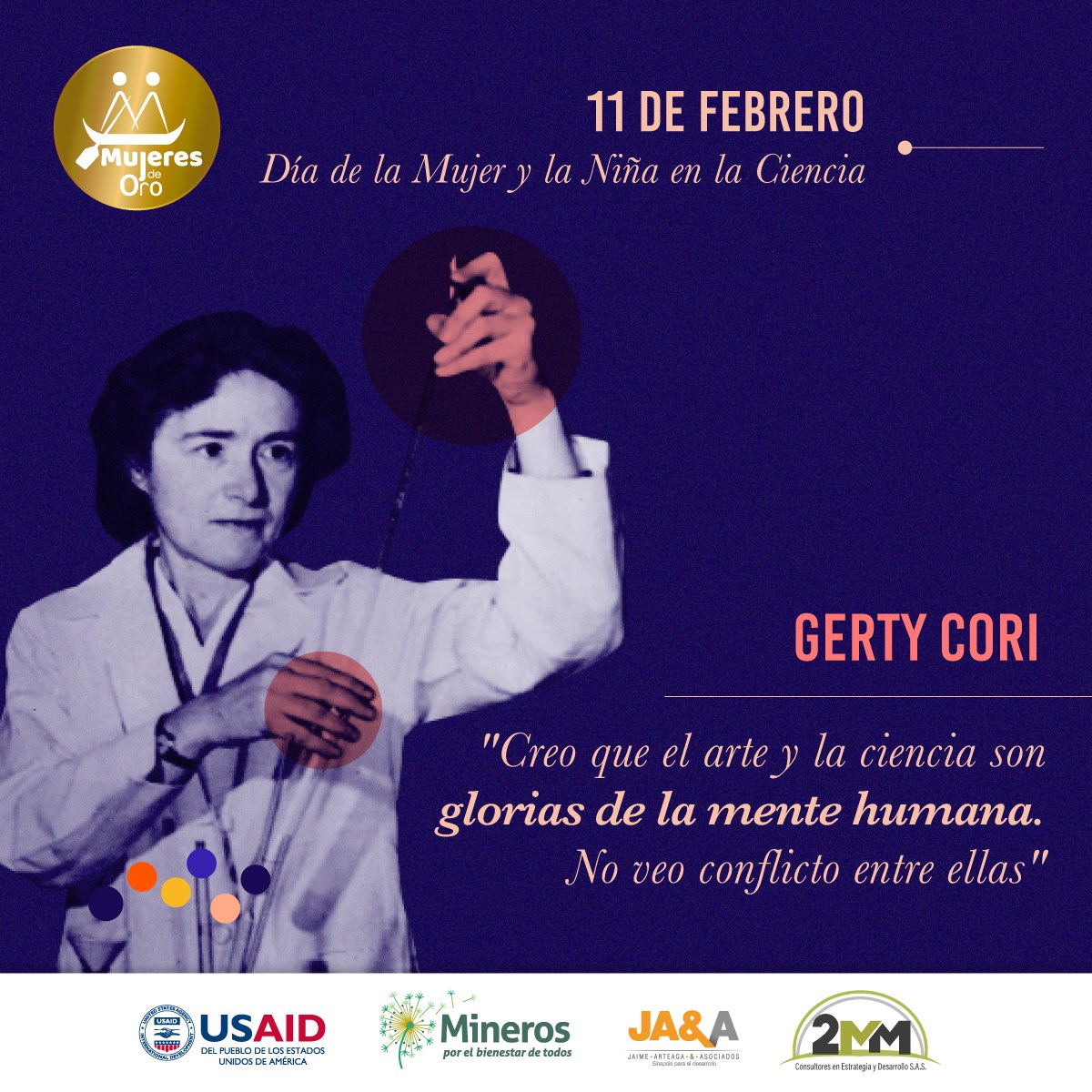
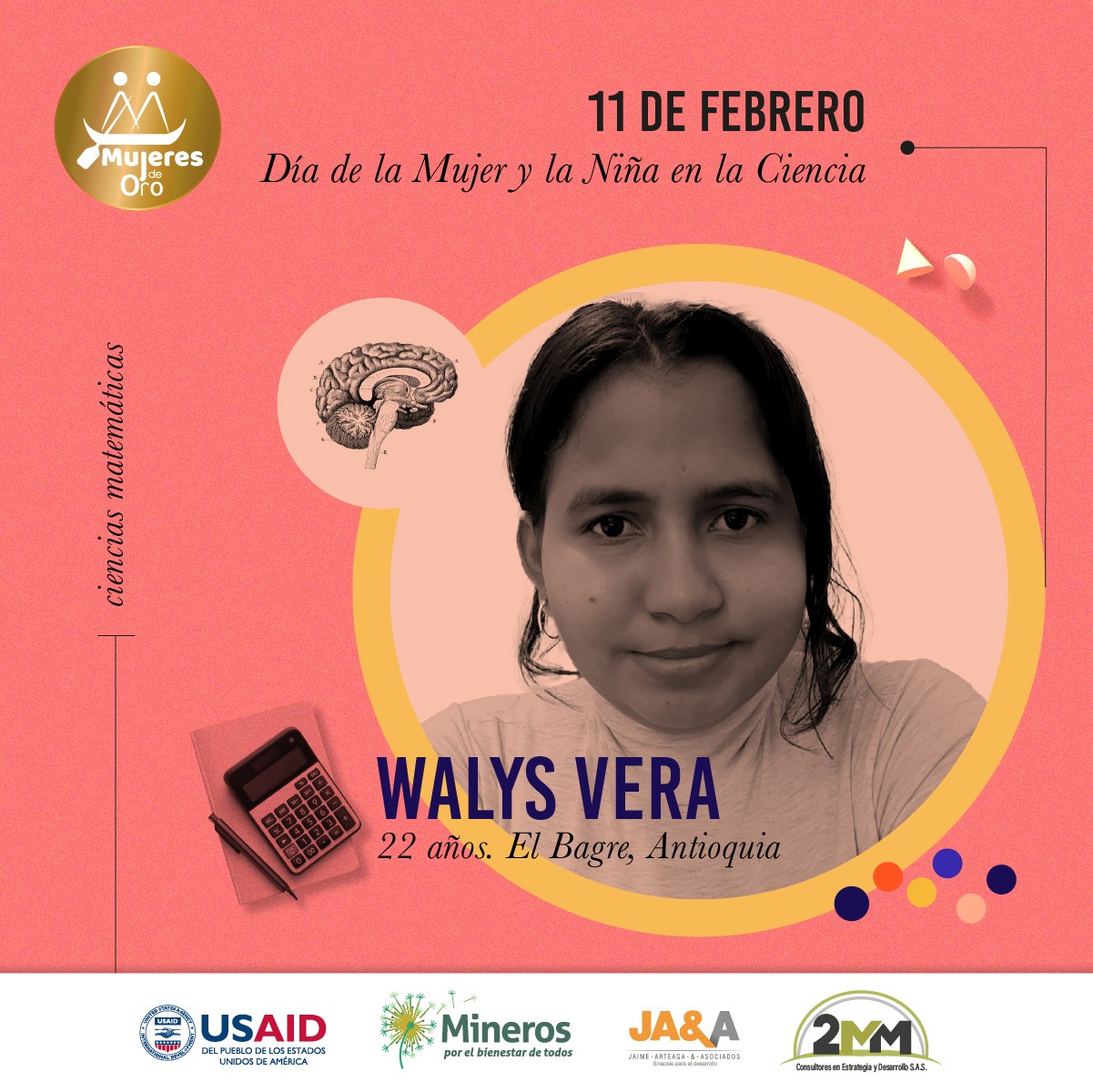
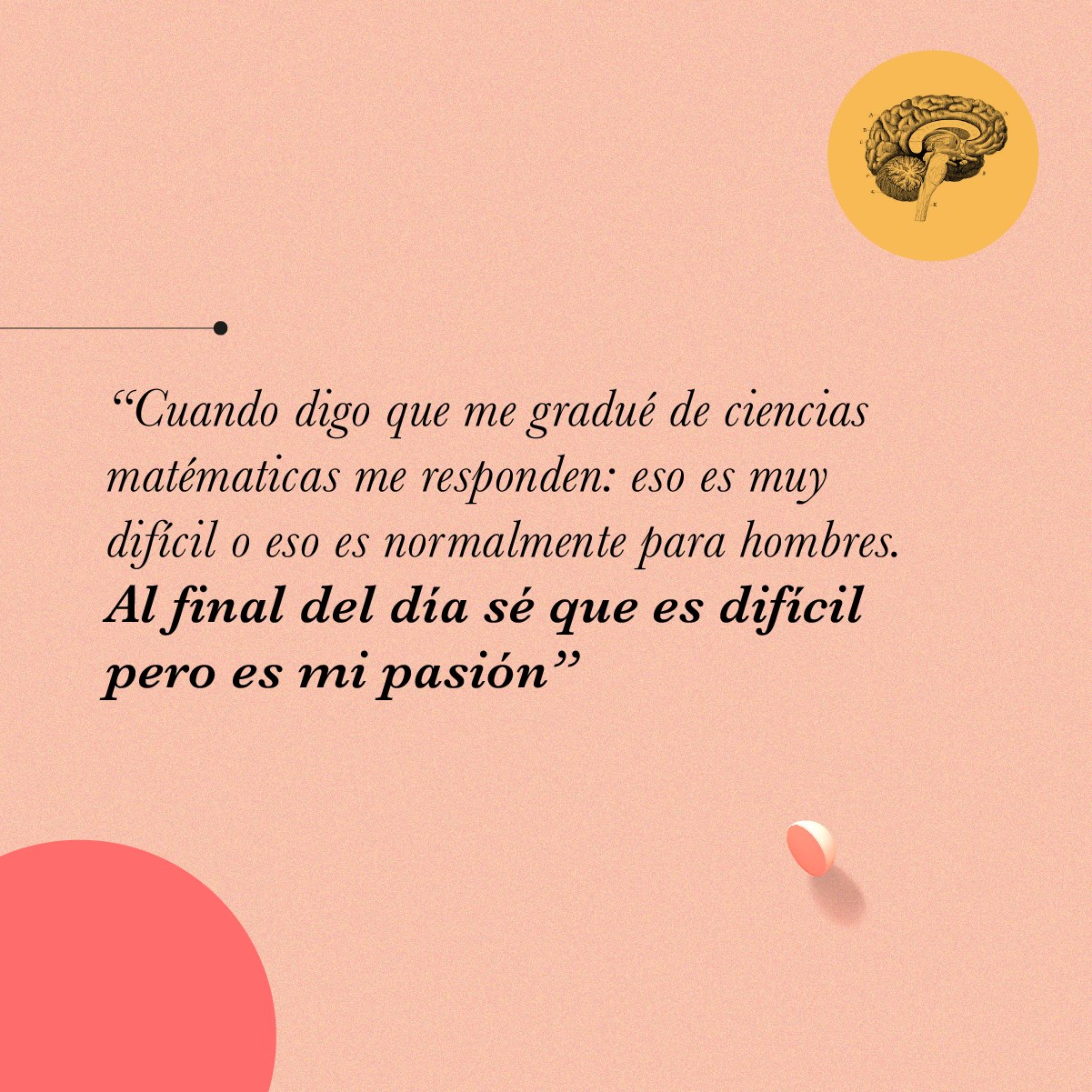
You can see all of the Mujeres de Oro content here:
@mujeres_deoro on Instagram