Colombian Cannabis Industry Observatory
OCIC
Communicating an industry beyond cannabis stereotypes
Problem
OCIC sought to present the Colombian cannabis industry through its economic, scientific, and business dimensions. Its communications needed to reach a diverse audience, including investors in the medical sector, export and customs specialists, doctors, government agencies, and others interested in the industry.
We needed to move away from visual language associated with recreational cannabis and show that the observatory worked with information, analysis, and specialized knowledge. The goal wasn’t to hide the connection to cannabis, but to communicate a different perspective on the sector: analysis, regulation, production, trade, and economic opportunity.
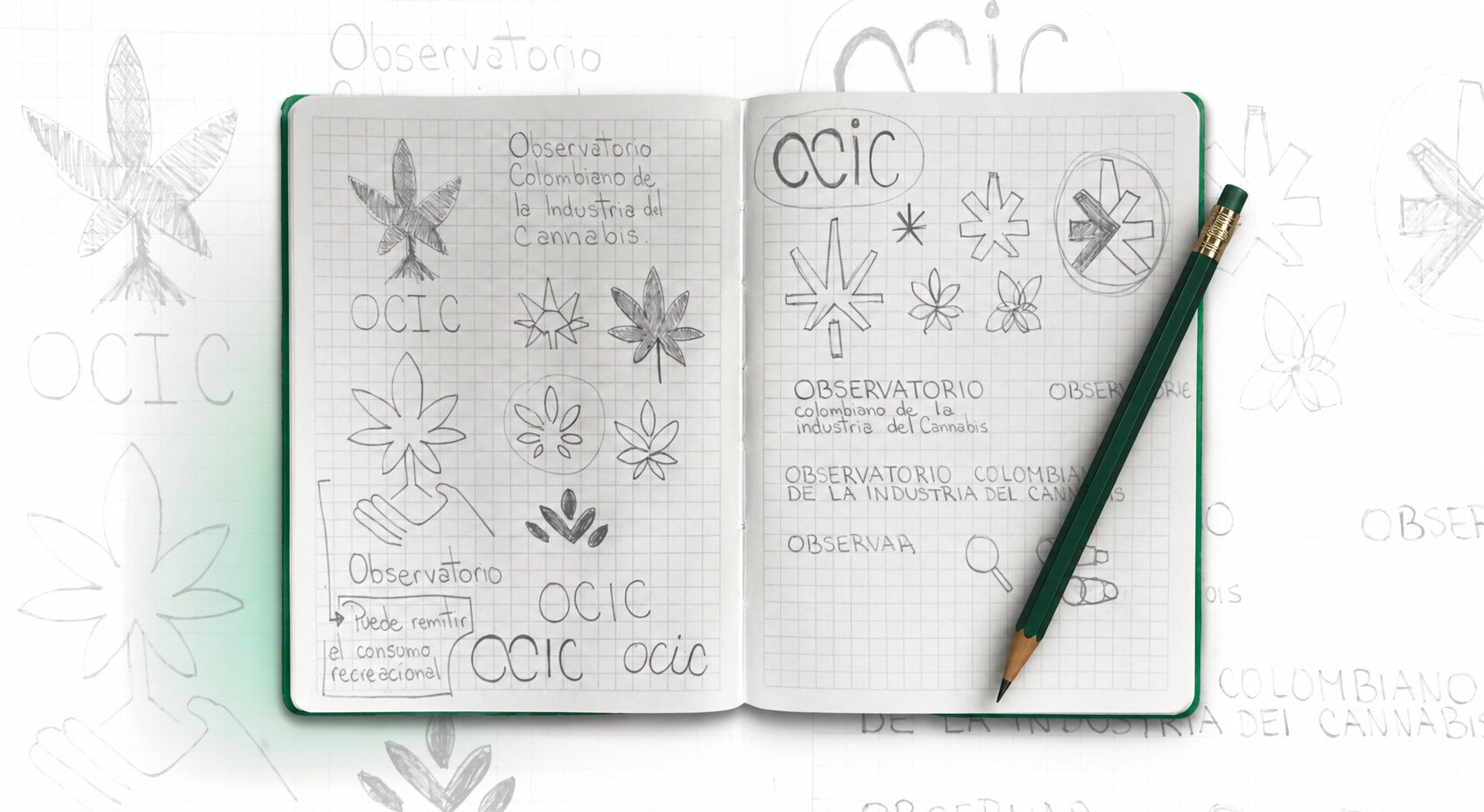
Initial sketches: symbol and typography explorations for the observatory.
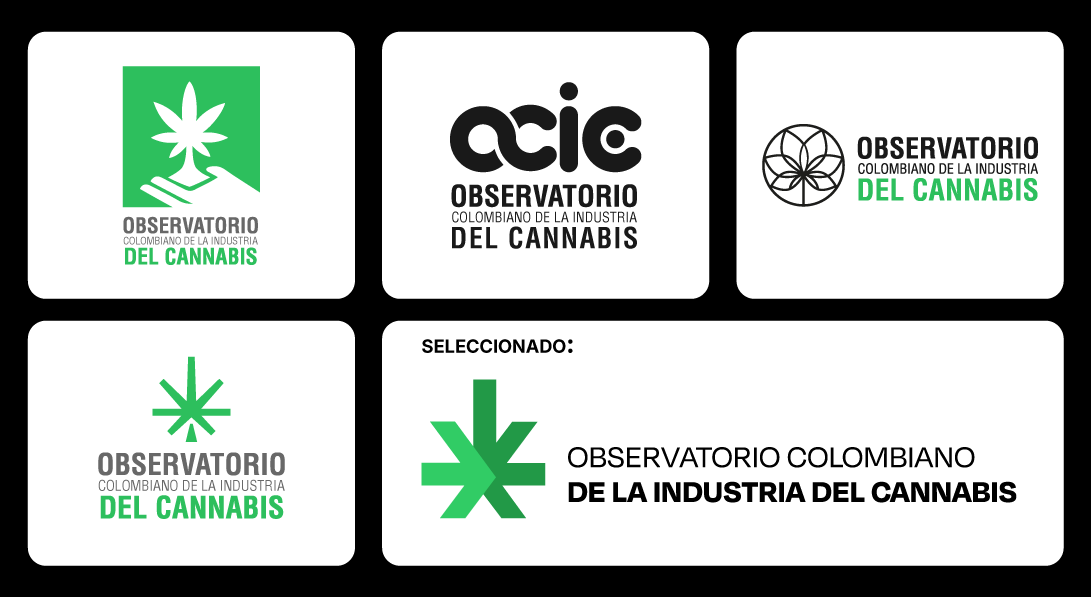
Logo proposals and the selected version.
Context
A sector exploring new possibilities
OCIC was launched in 2022, as Colombia’s cannabis industry began expanding beyond medicinal cultivation into research, production, exports, and business development. At the same time, the debate around regulating adult-use cannabis was bringing the subject into a broader public conversation.
I coordinated the graphic design work from the start, working directly with the specialists leading the project. I developed the visual identity and communication across social media, reports, campaigns, events, and audiovisual content.
Research
The project leaders were agribusiness experts and held direct conversations with small farmers and entrepreneurs in the sector. My job was to learn from that knowledge, follow their direction on where the project was heading, and complement it with references from cannabis-focused trade media.
Much of the work involved translating technical and economic information into presentations, infographics, and digital content that different audiences could understand quickly.
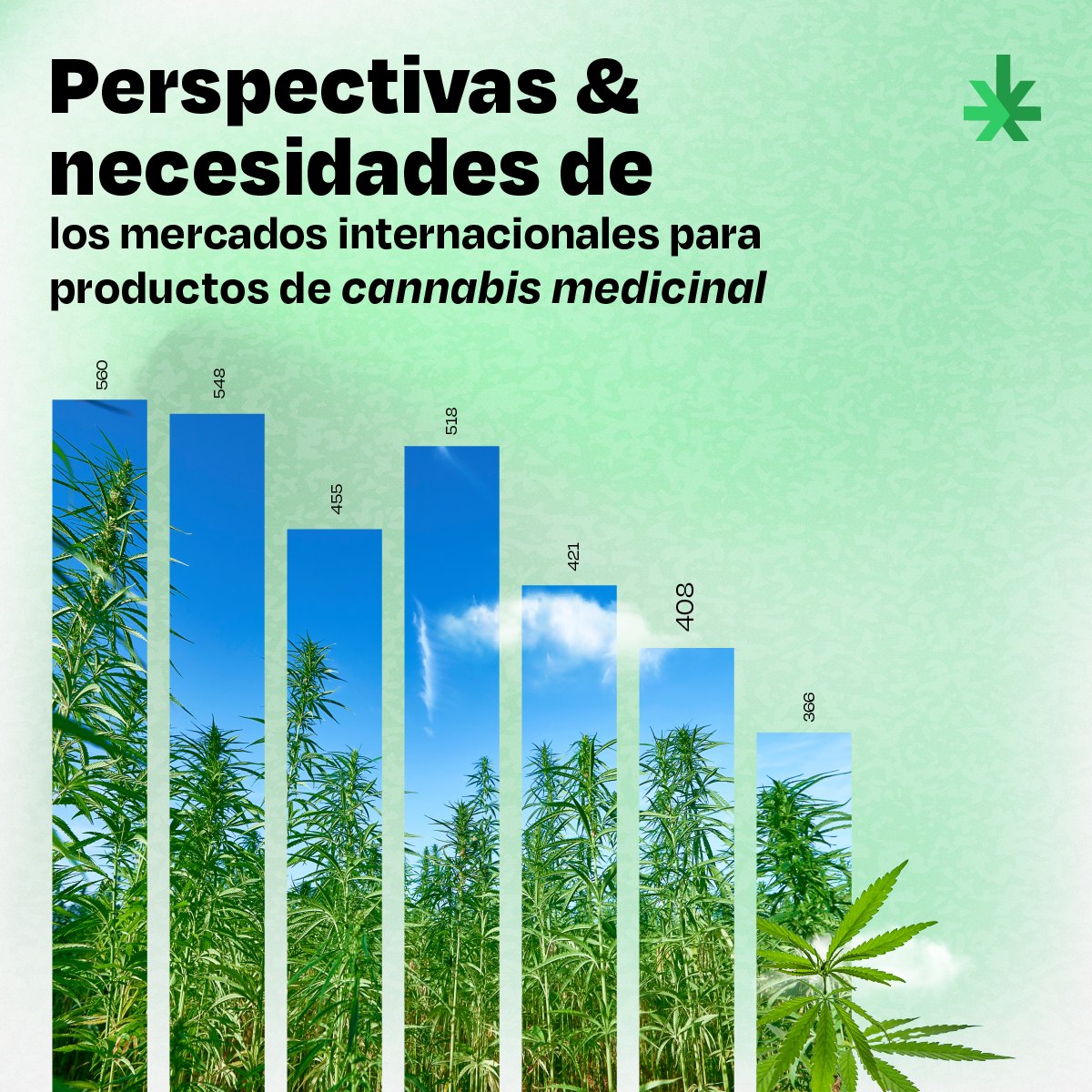
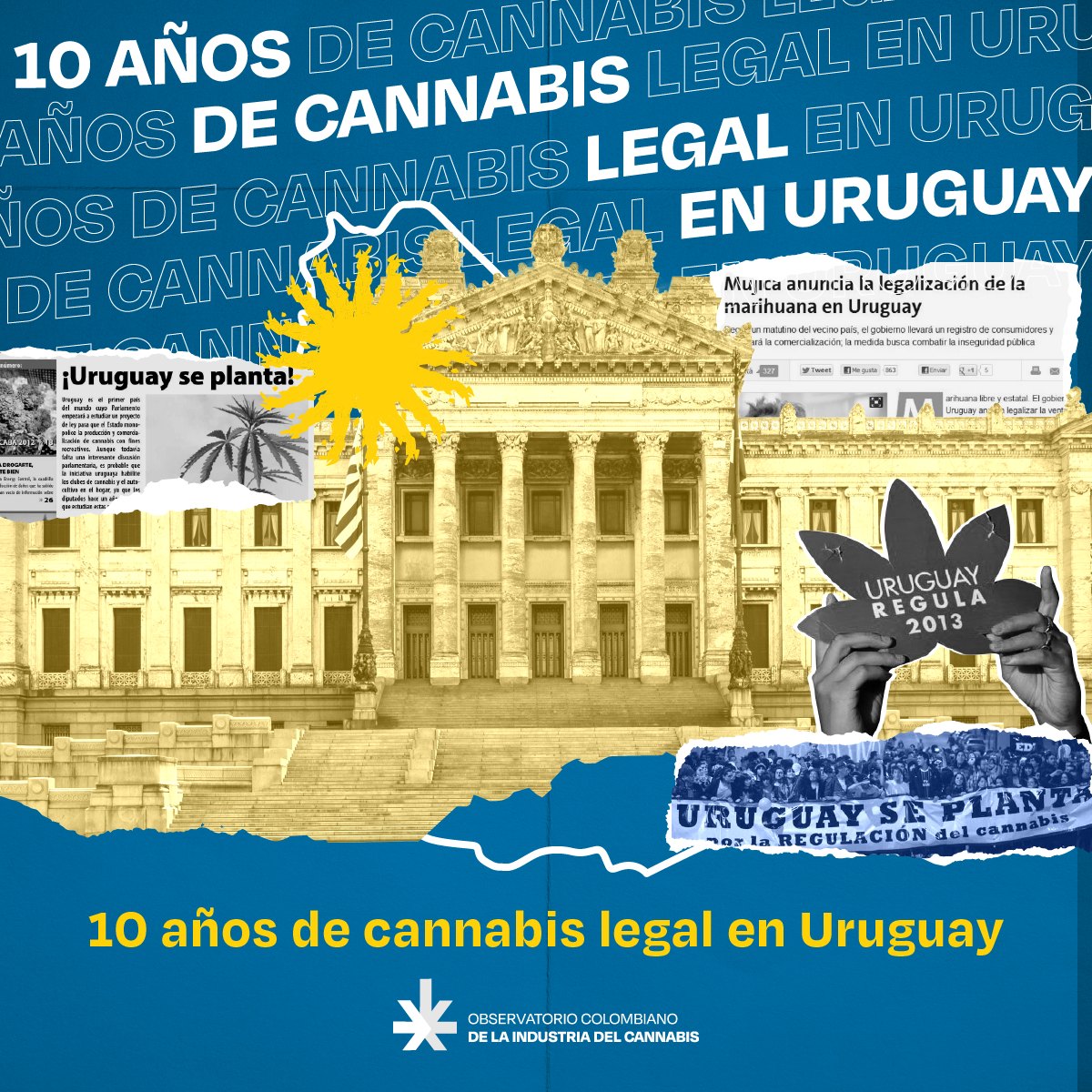
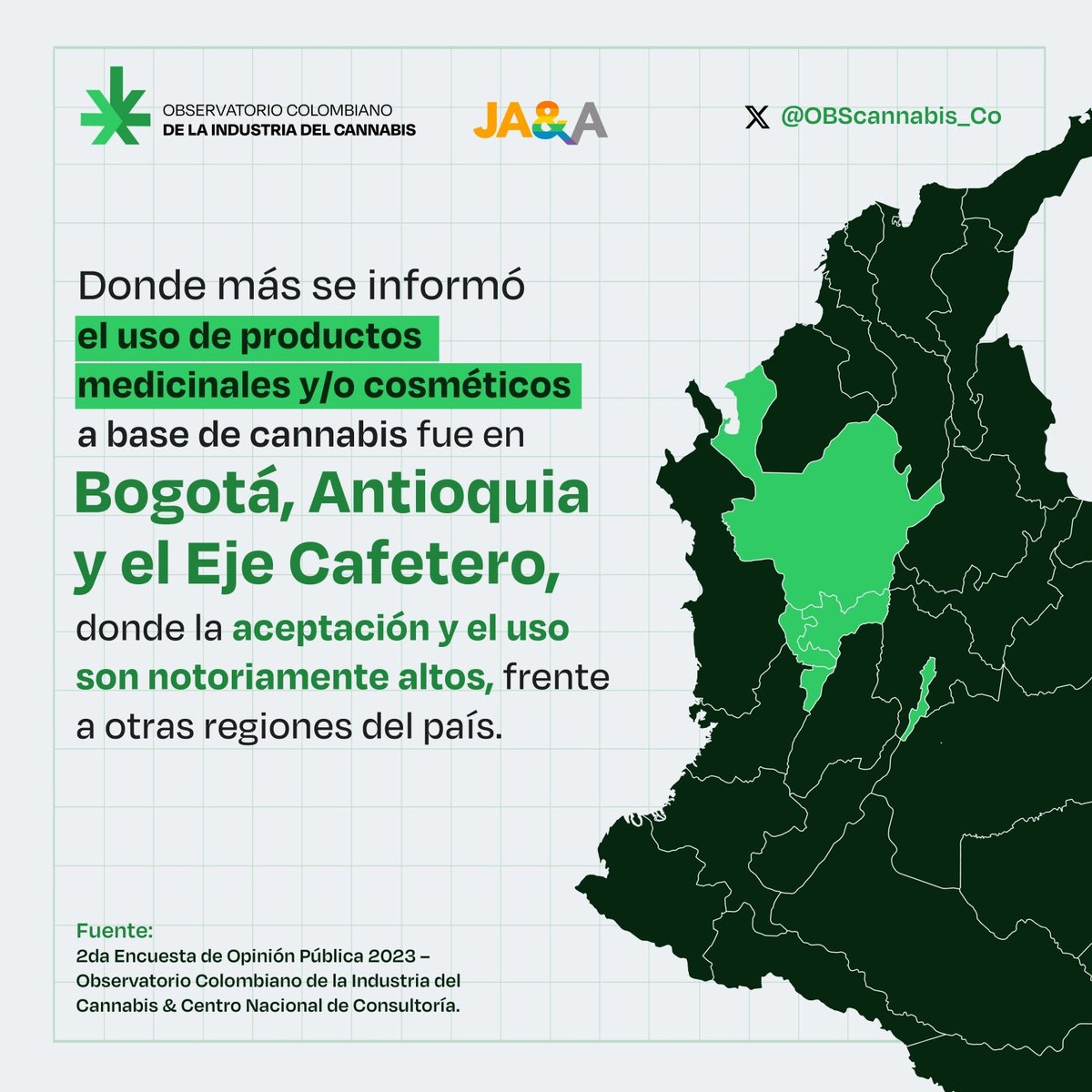
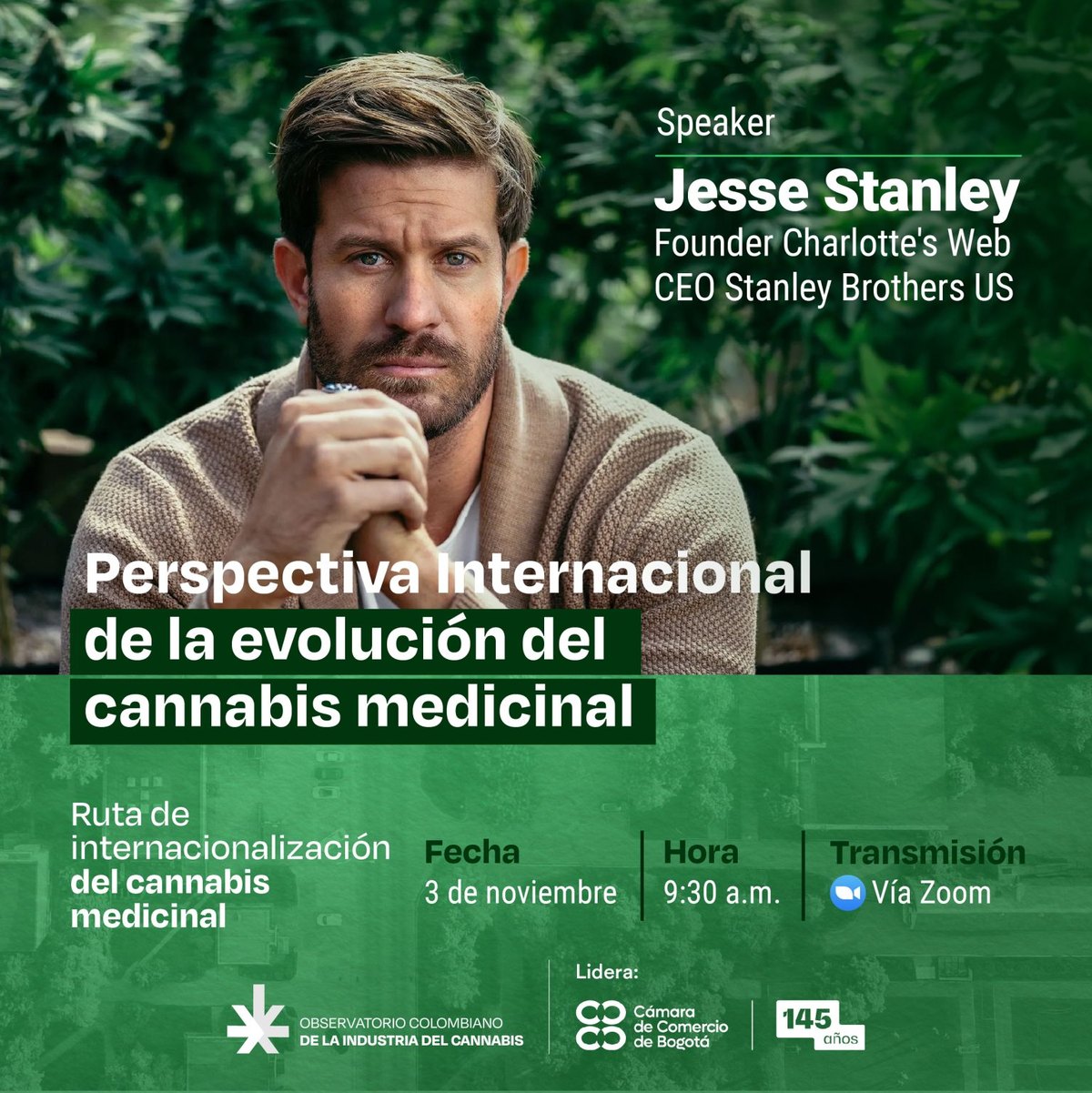
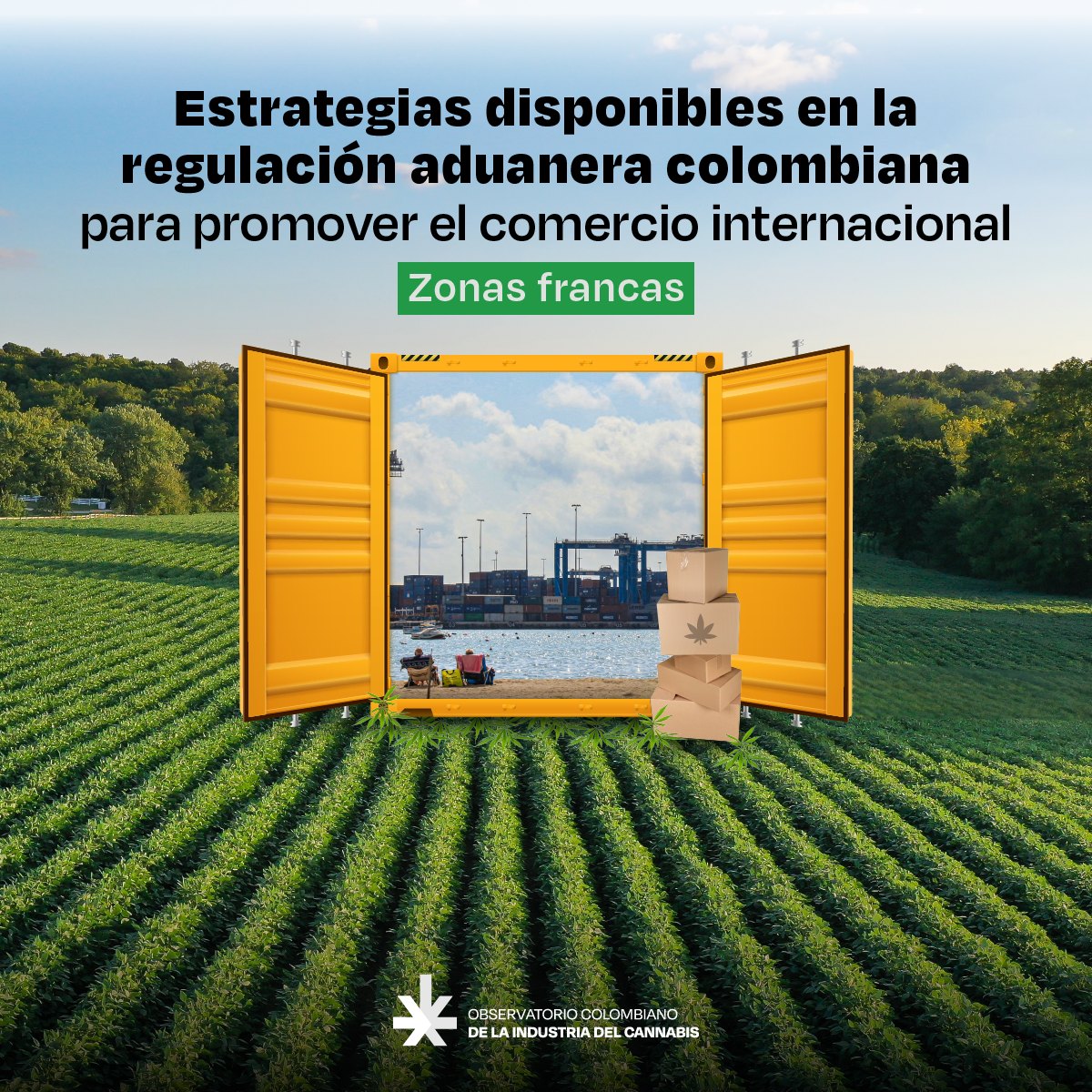
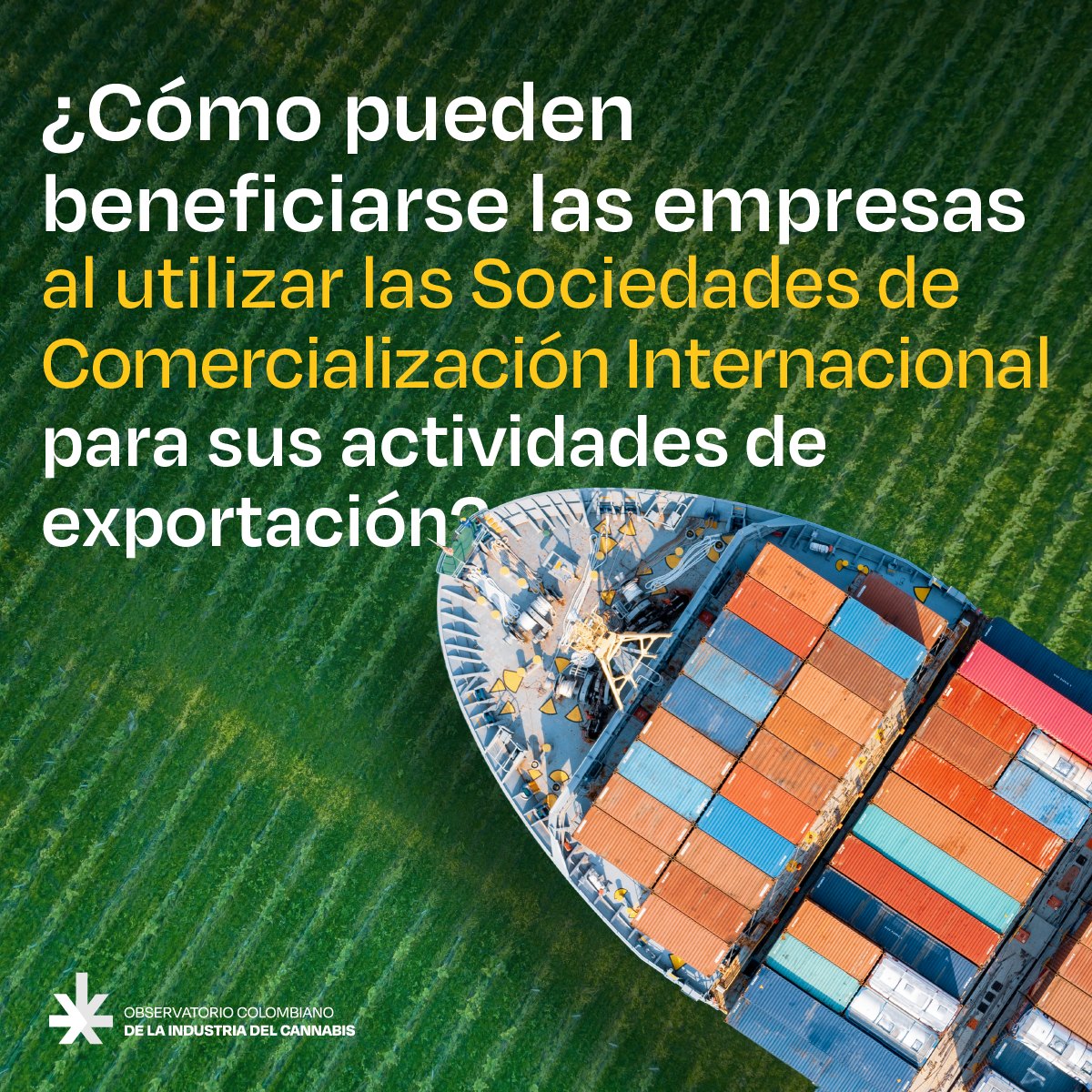
Pieces designed for the observatory’s social media.
Result
Rather than creating a new graphic solution for every piece, we gradually developed a system based on clear hierarchies and visual elements that helped organize the information. Throughout the project, we applied the identity and visual system across social media, campaigns, reports, infographics, events, and audiovisual content.
The value of the system became clear in how it could be used by others. With a brand guidelines document and access to the editable files, other designers and the audiovisual team could create new pieces while maintaining consistency, without relying on one person for every asset. The identity became more than a collection of deliverables: it gave the team a visual language they could keep using and developing.
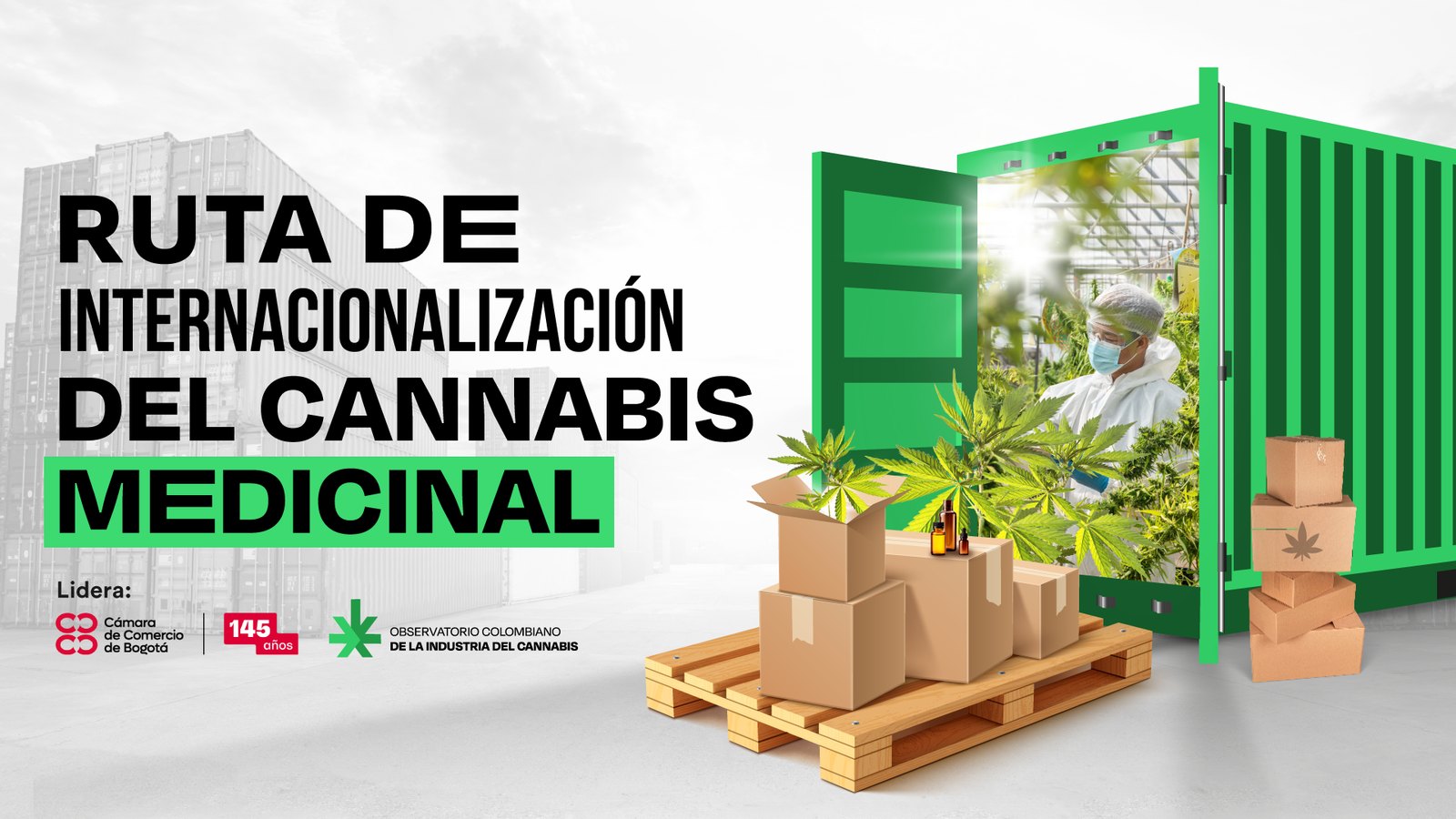
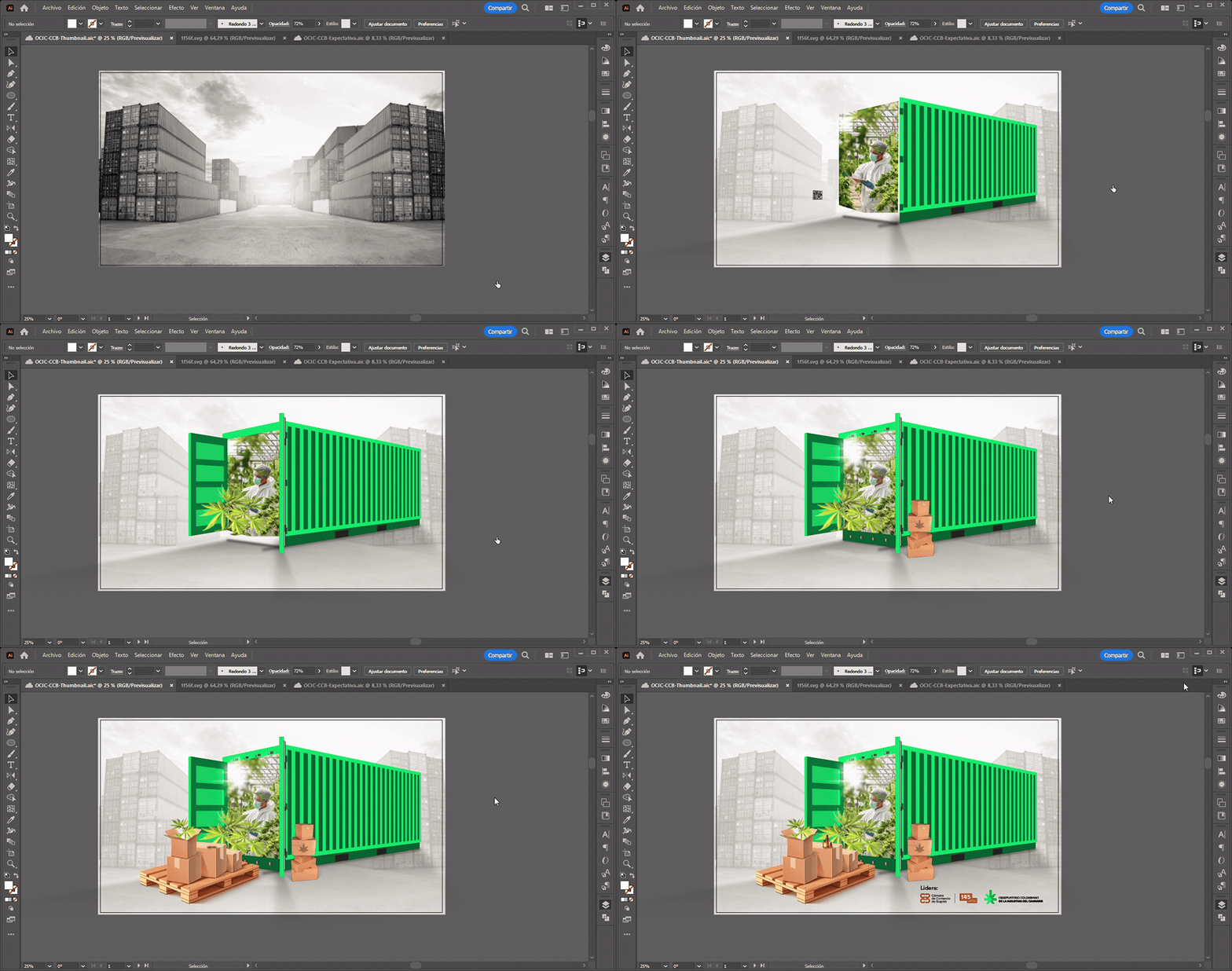
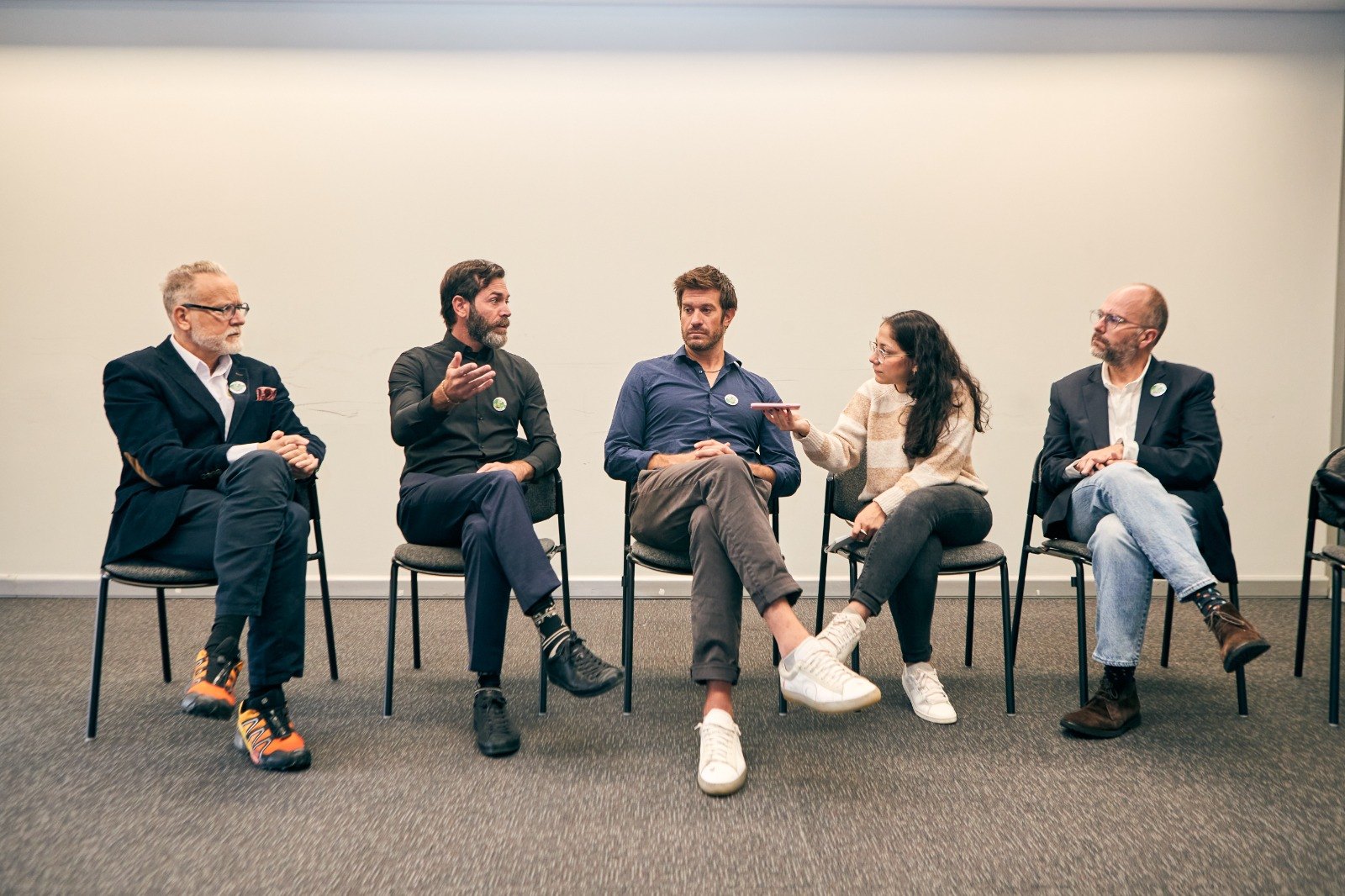
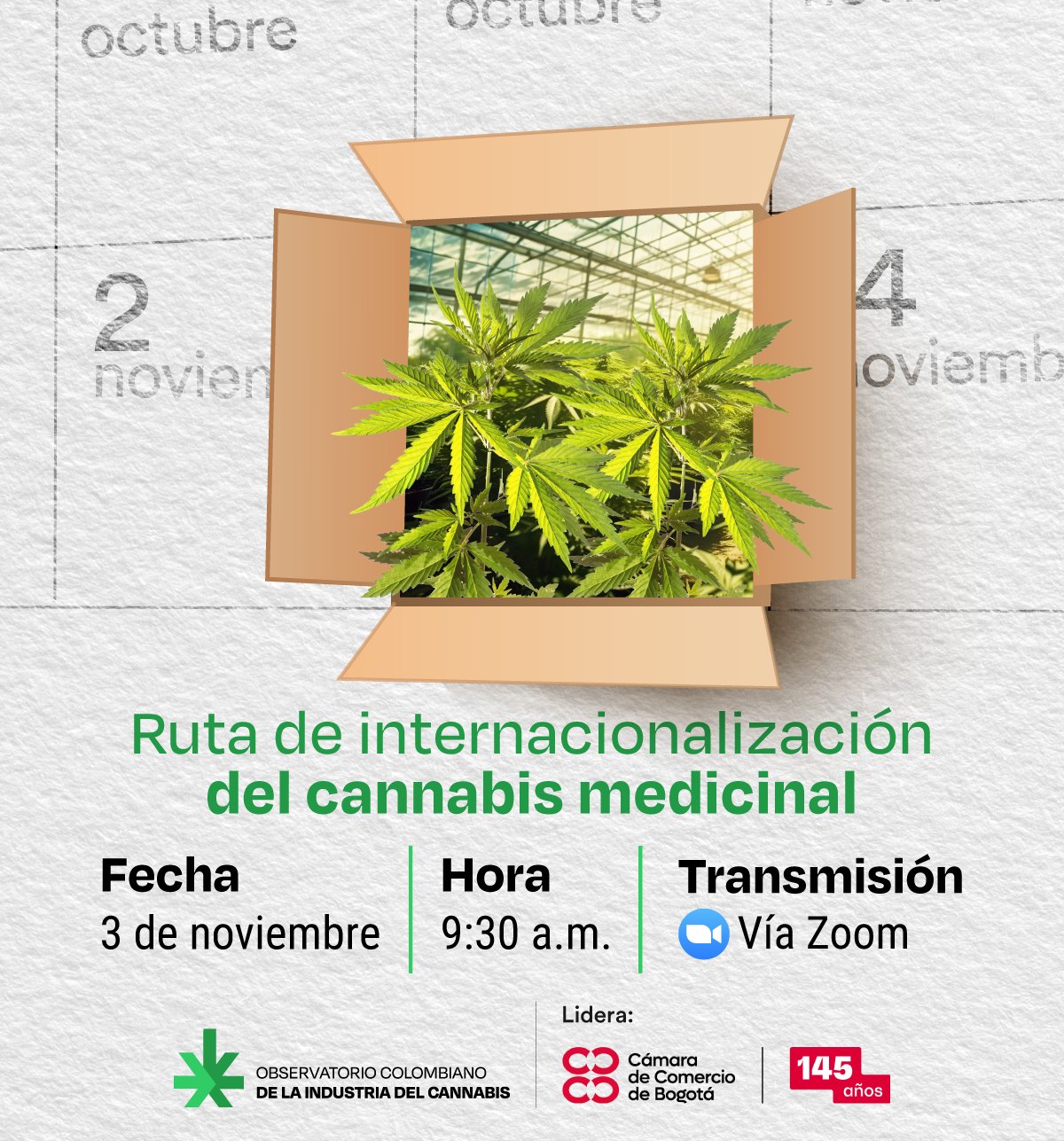
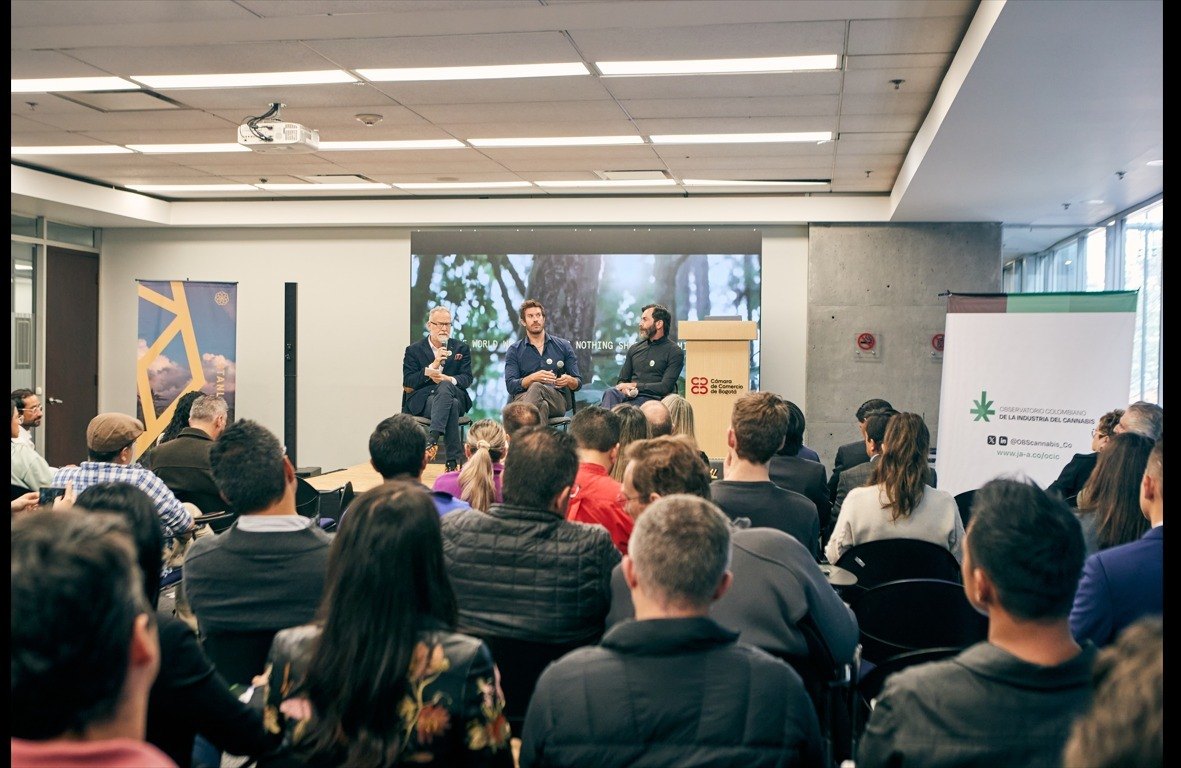
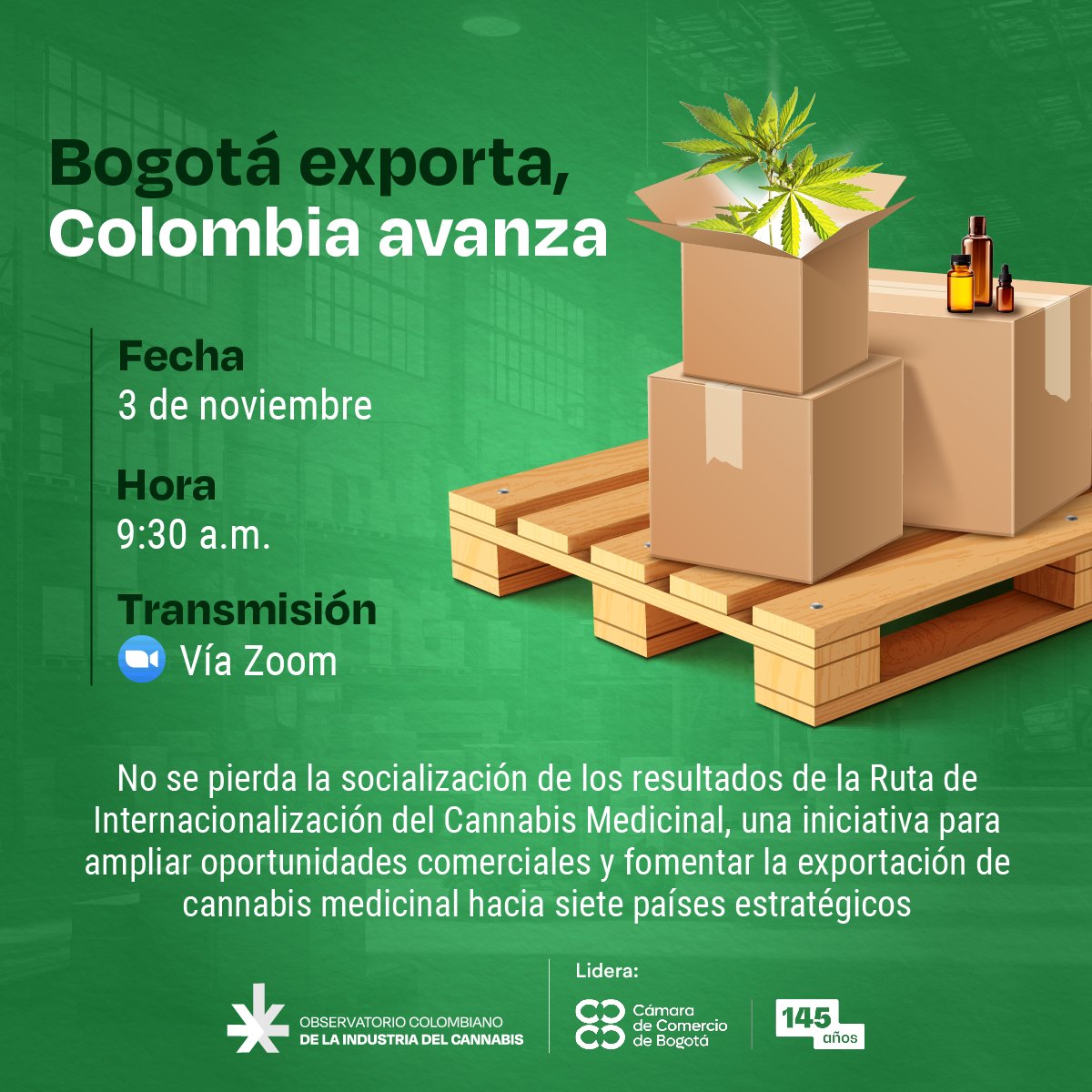
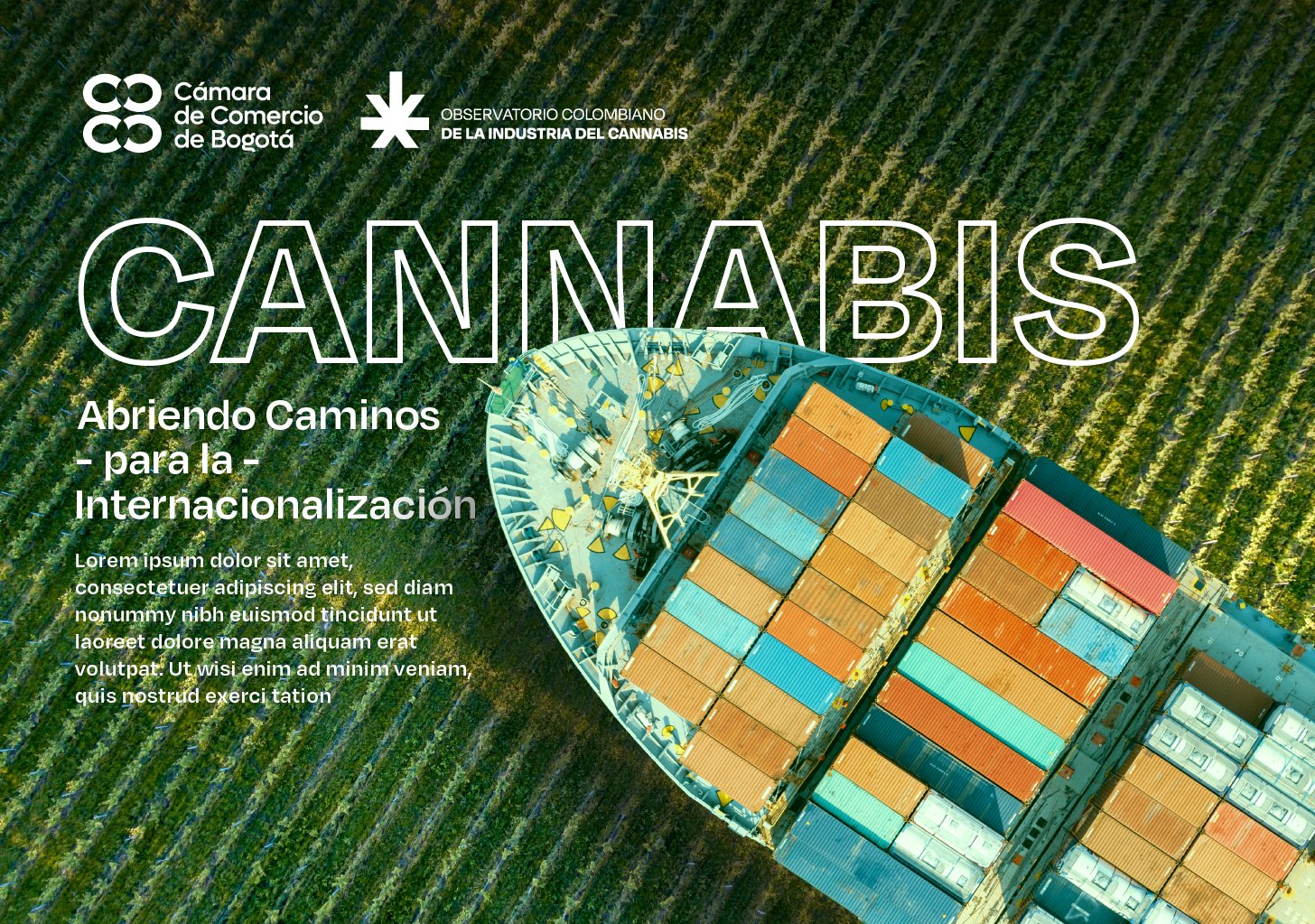
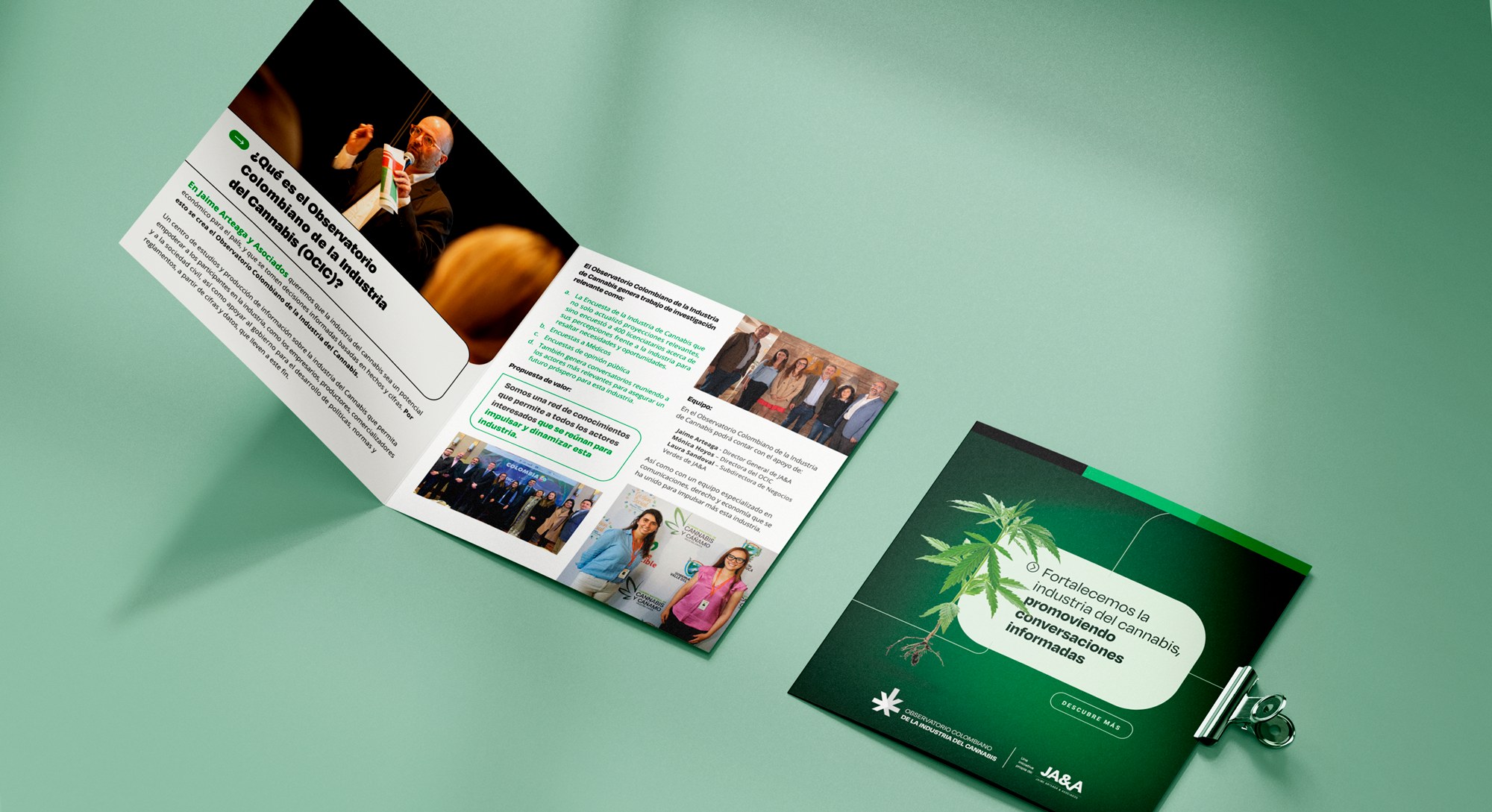
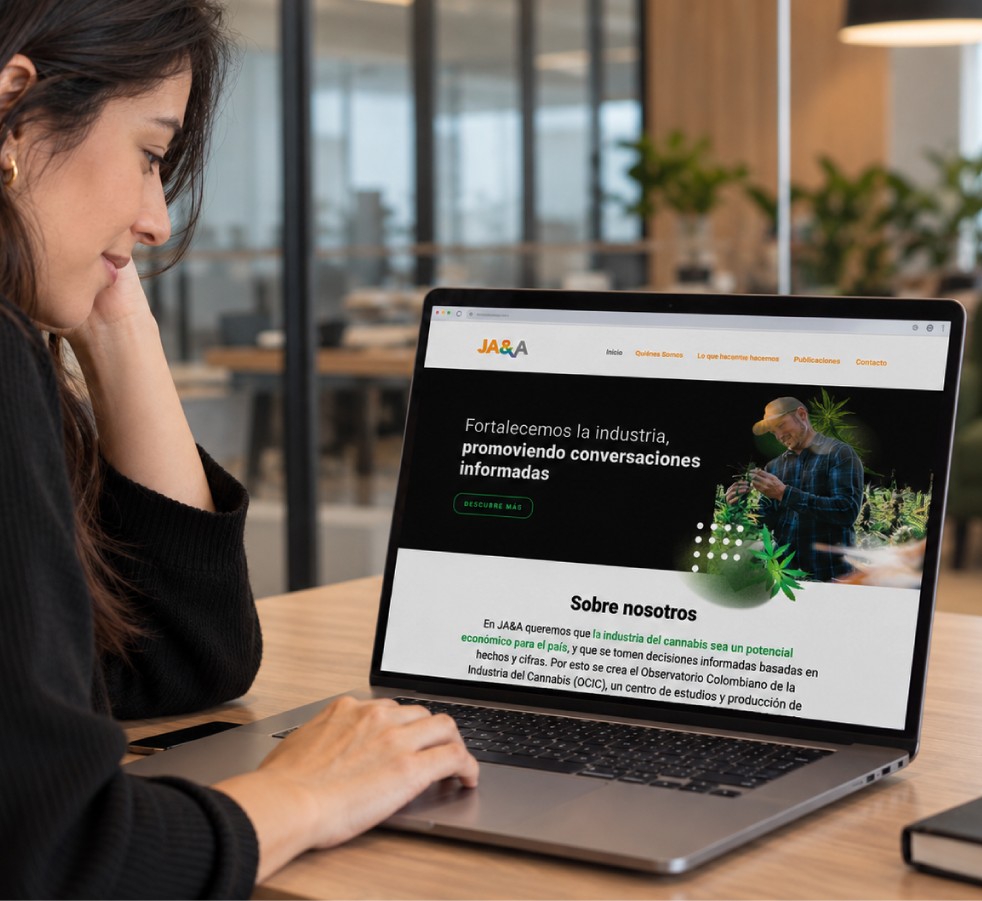
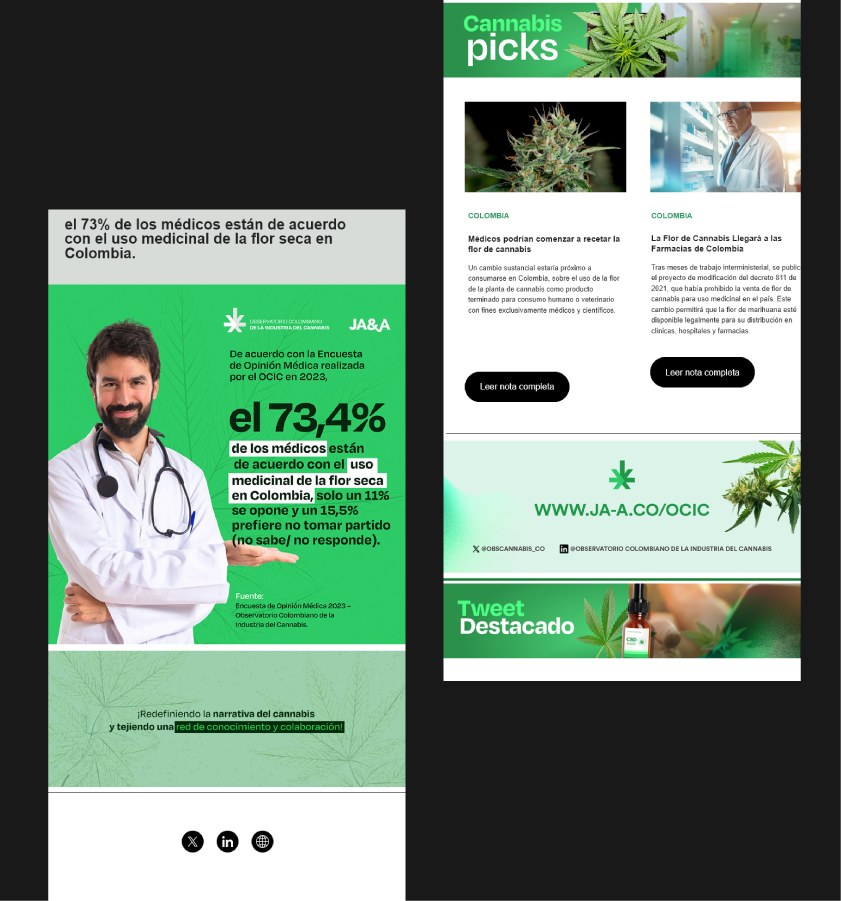
Institutional brochure, website and newsletter of the observatory.
Reflections
Greater autonomy, greater confidence in my design decisions
OCIC was one of the projects where I had the most autonomy at Arteaga Latam. As I learned more about the sector and its communication needs, I developed my understanding of the project alongside the team.
It was also a project where I learned a great deal from working with others. I collaborated closely with agribusiness specialists, learning to listen to different perspectives, draw on knowledge outside my own field, and translate it into a visual system that could grow with the project.