El Veneco
Content strategy exploring how to reclaim the term “veneco”
Some projects stop feeling like just another job because they connect with something personal. El Veneco was one of them. Developing its strategy and art direction meant becoming involved in an initiative that also spoke to my own experience as a migrant. Over time, it became a small obsession.
Problem
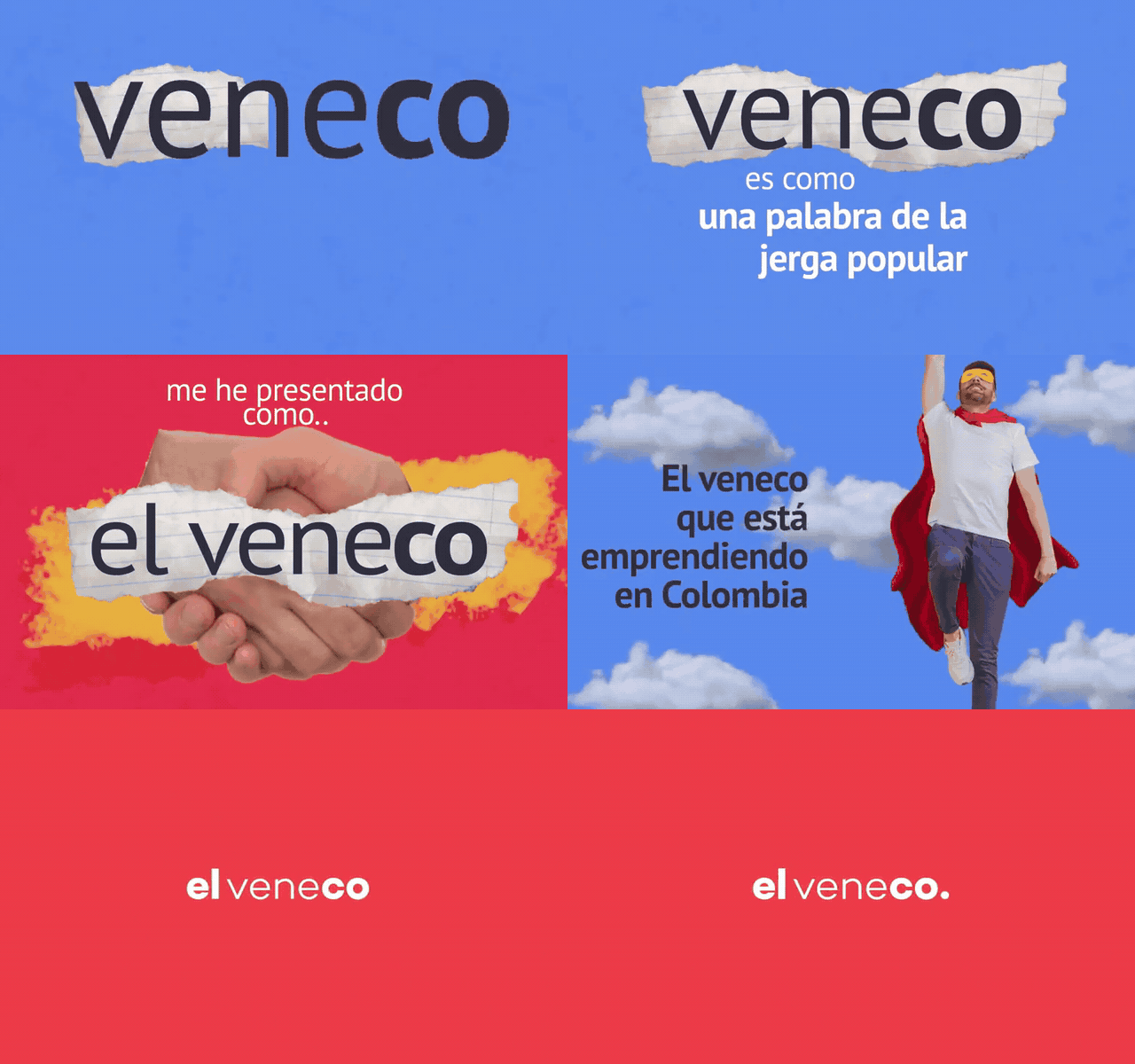
How do you build a visual identity around a word that can be both a stigma and a source of identity?
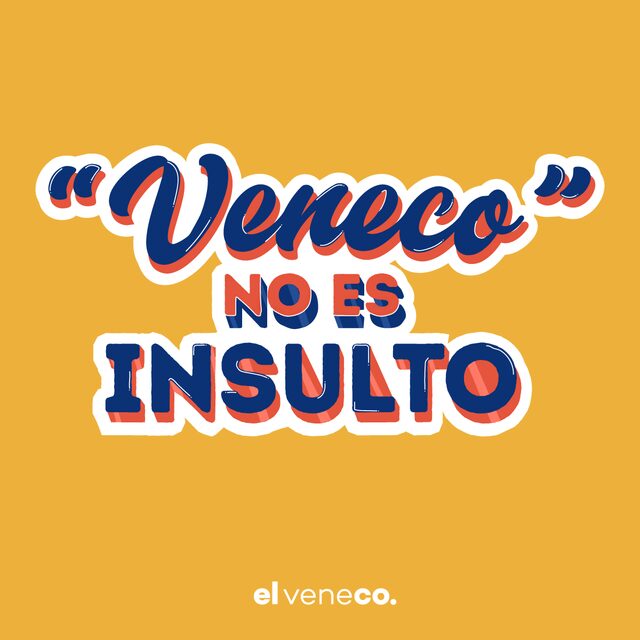
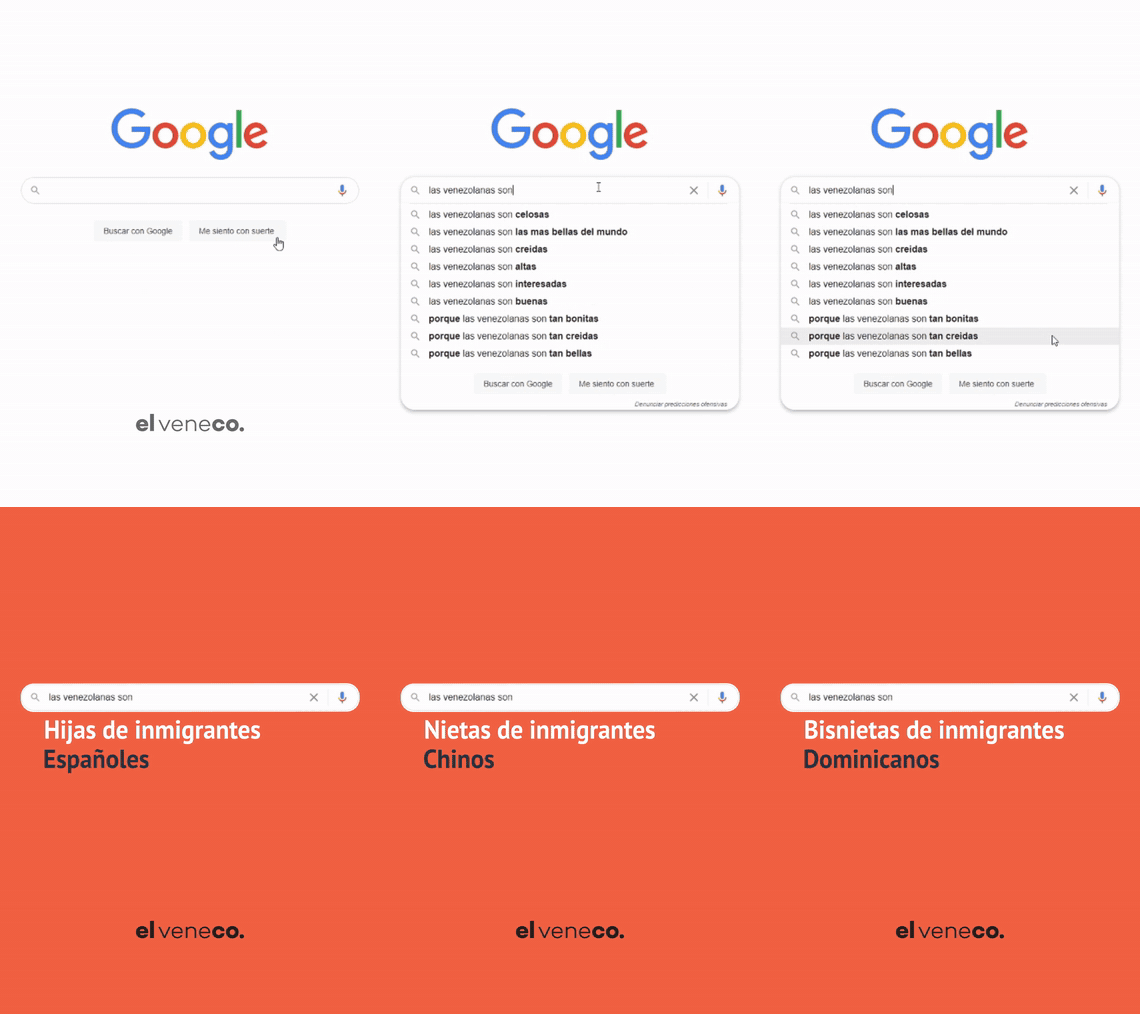
In Colombia, “veneco” can be a loaded term: for some, it is an insult; for others, it has become a way to claim an identity. The challenge was to create a digital platform and content that could open up difficult conversations about Venezuelan migration without repeating familiar stereotypes or reducing people’s experiences to a single story. We also wanted Arteaga Latam to develop its own voice on migration and development.
Context
An independent initiative in the midst of a migration crisis
Amid the largest forced-displacement crisis Venezuela has faced, we decided to develop an independent project within Arteaga Latam. Three members of the team were Venezuelan, making the work both a professional and personal challenge. I led the art direction, collaborating with human rights specialists and an audiovisual producer. With no external funding, we relied on field research, limited production resources, and our ability to open conversations in a polarized digital environment.

Process
Mapping conversations about migration to tell more varied stories
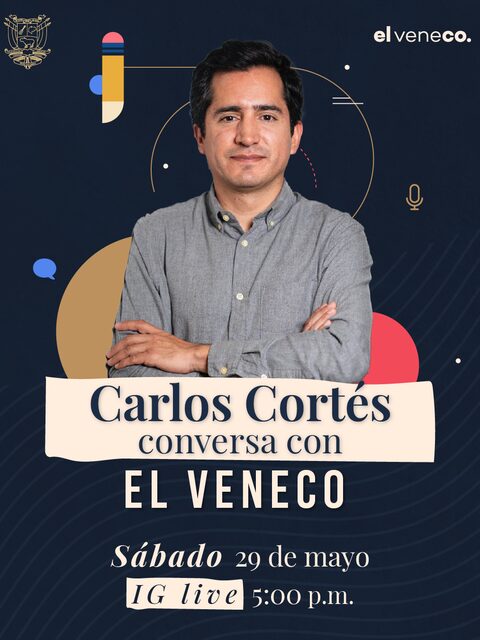
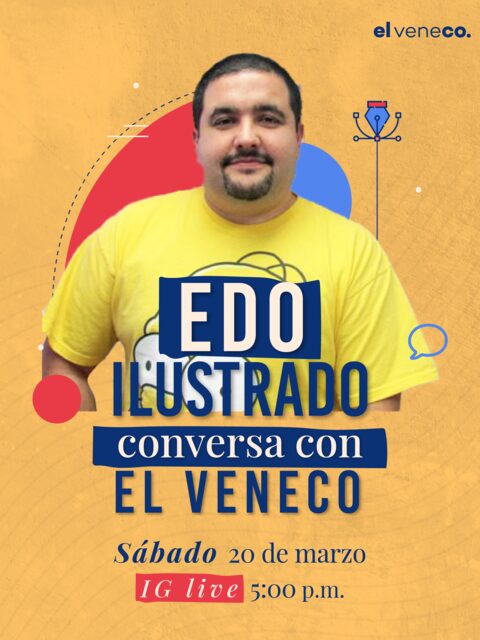
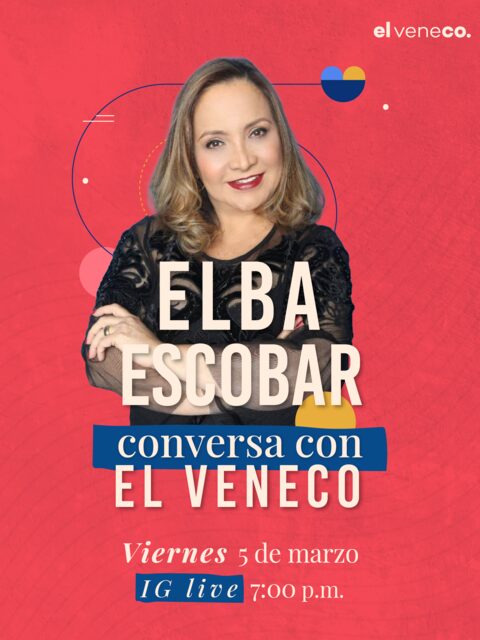
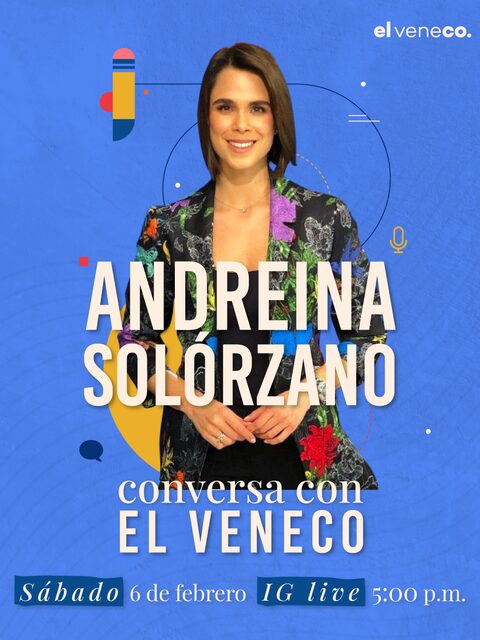
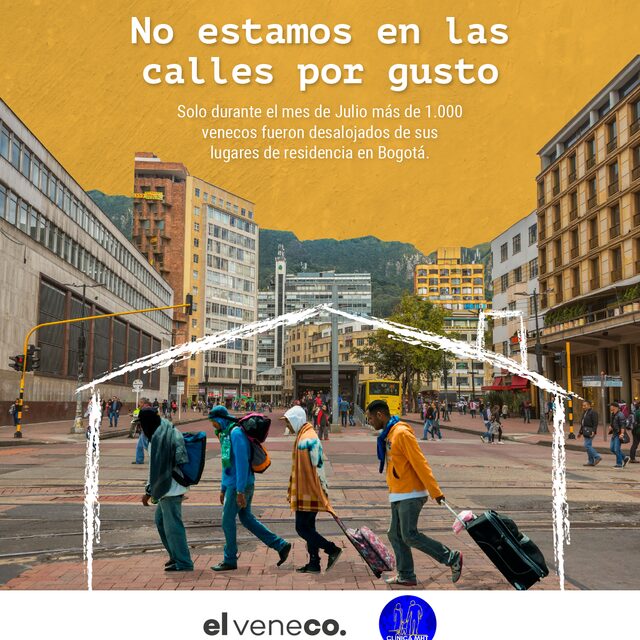
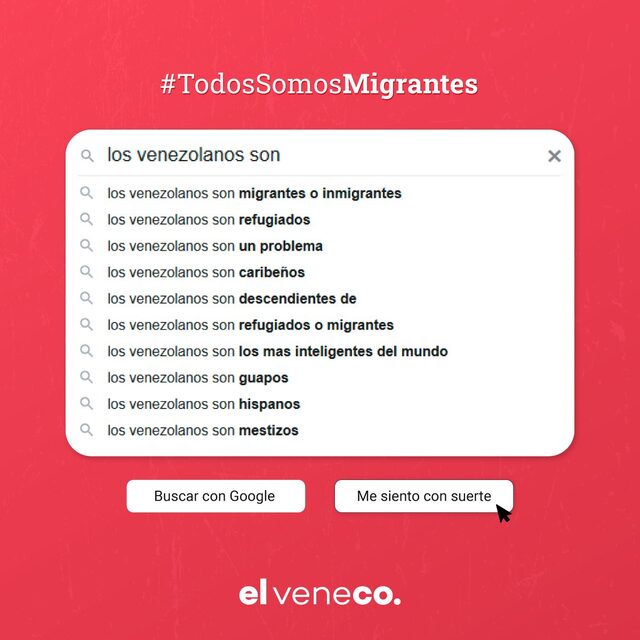
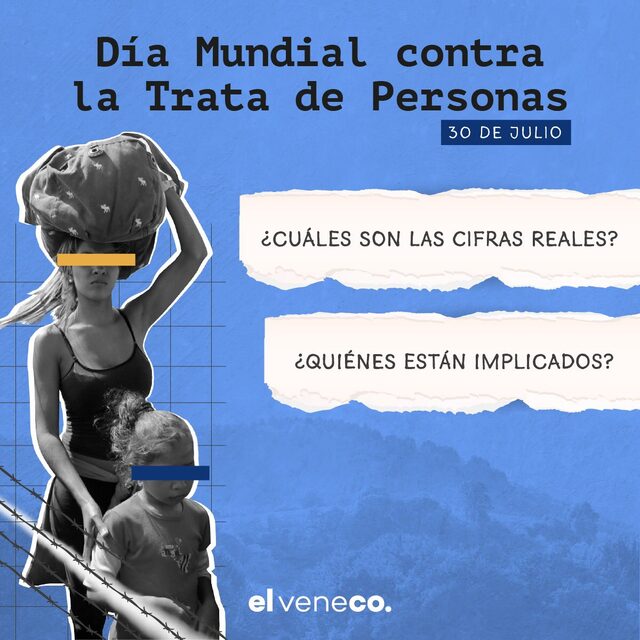
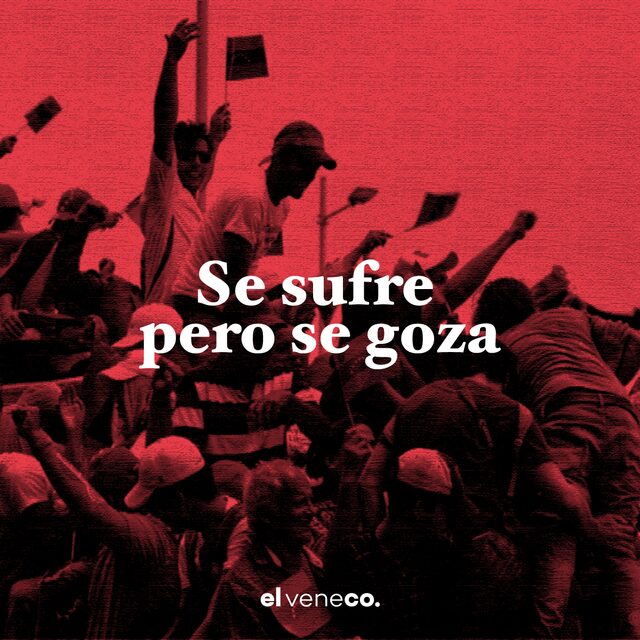
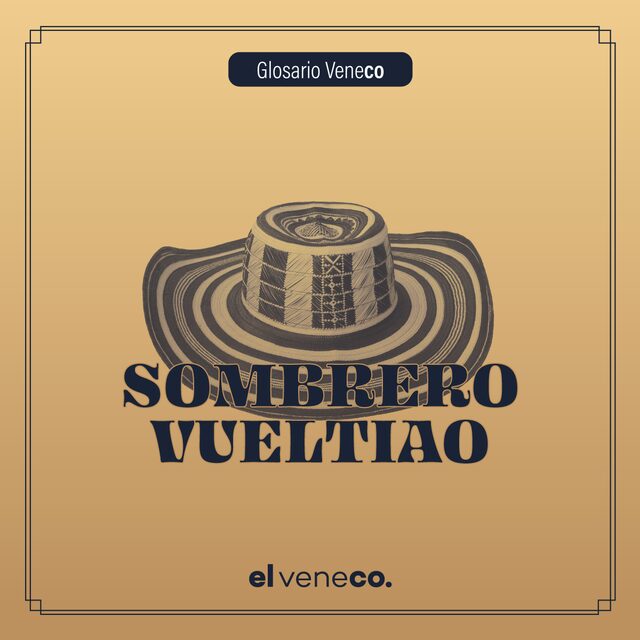
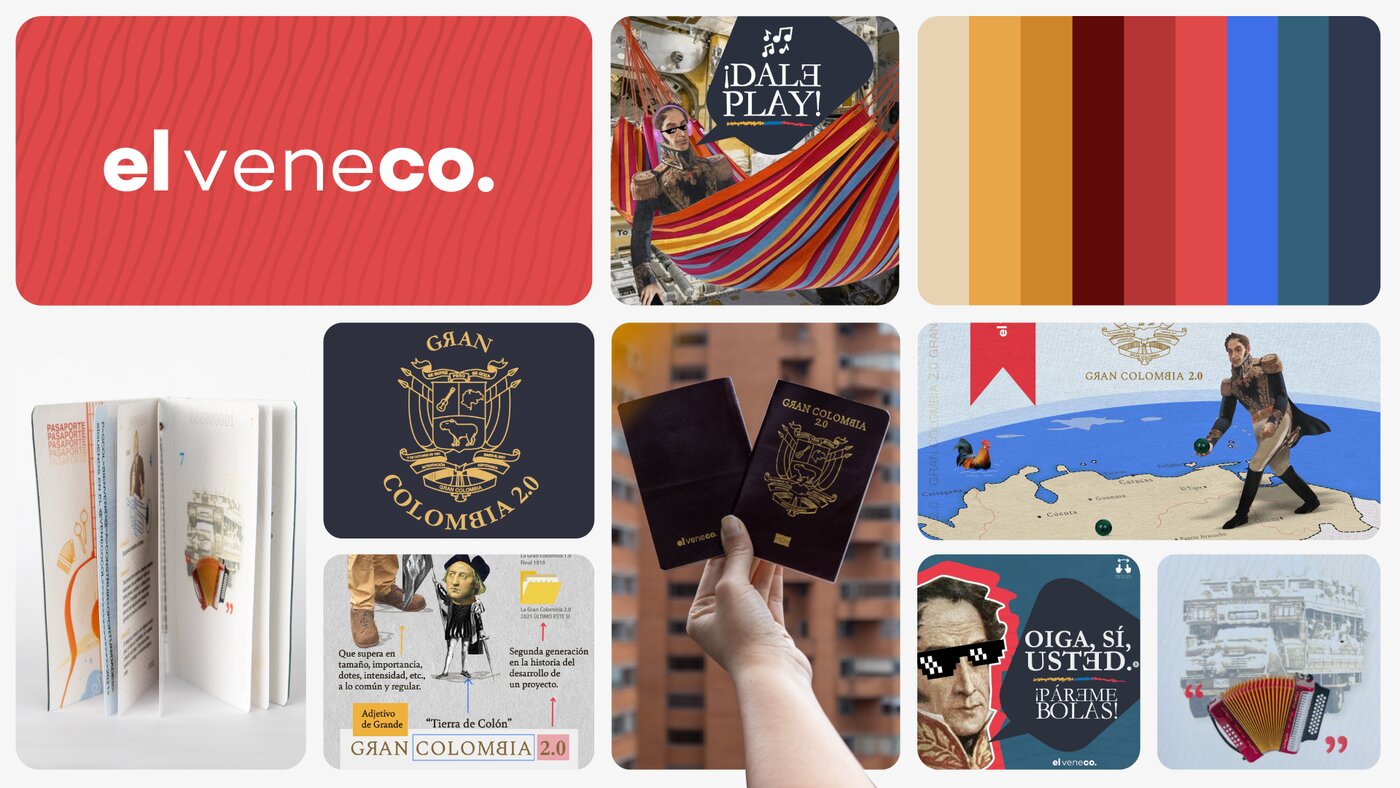
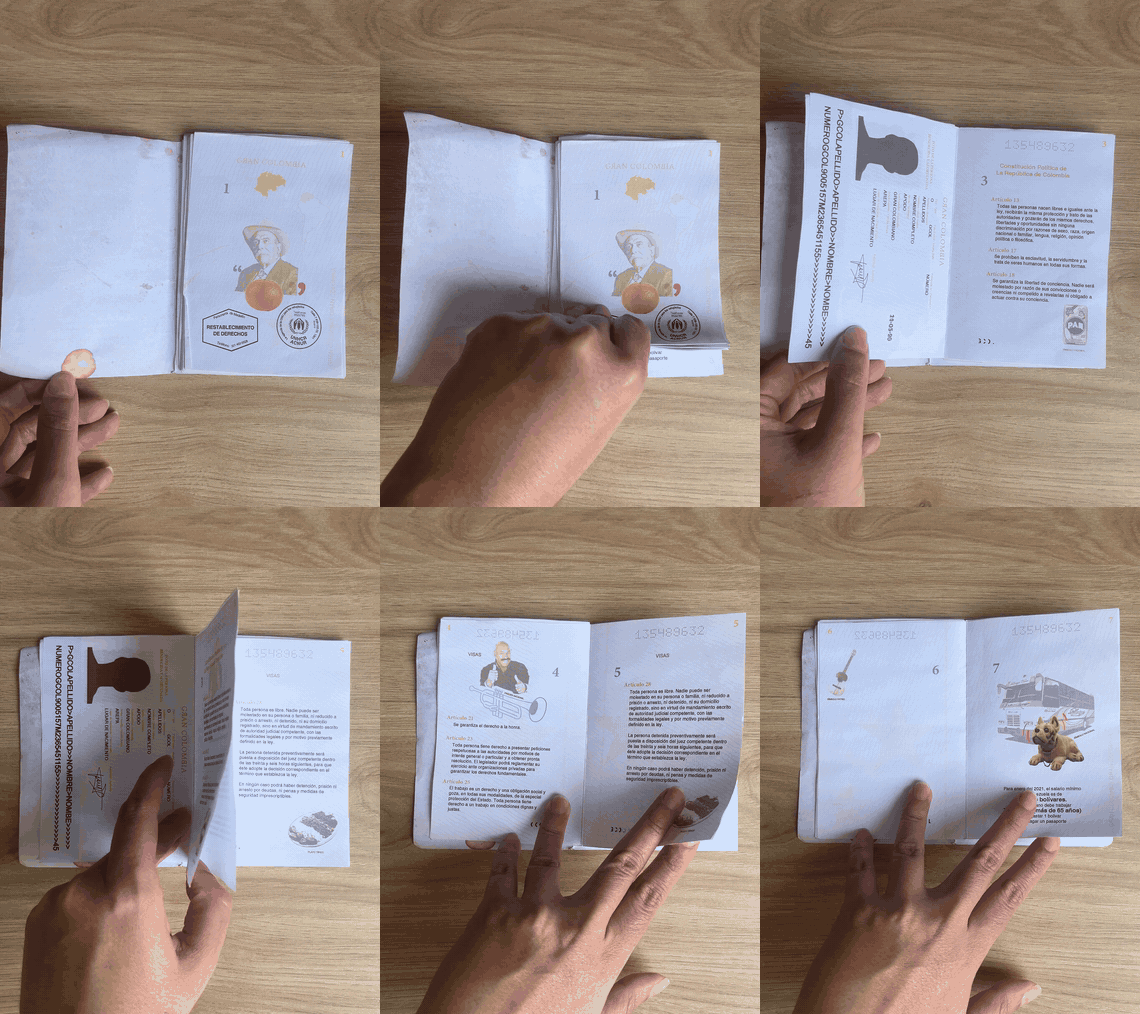
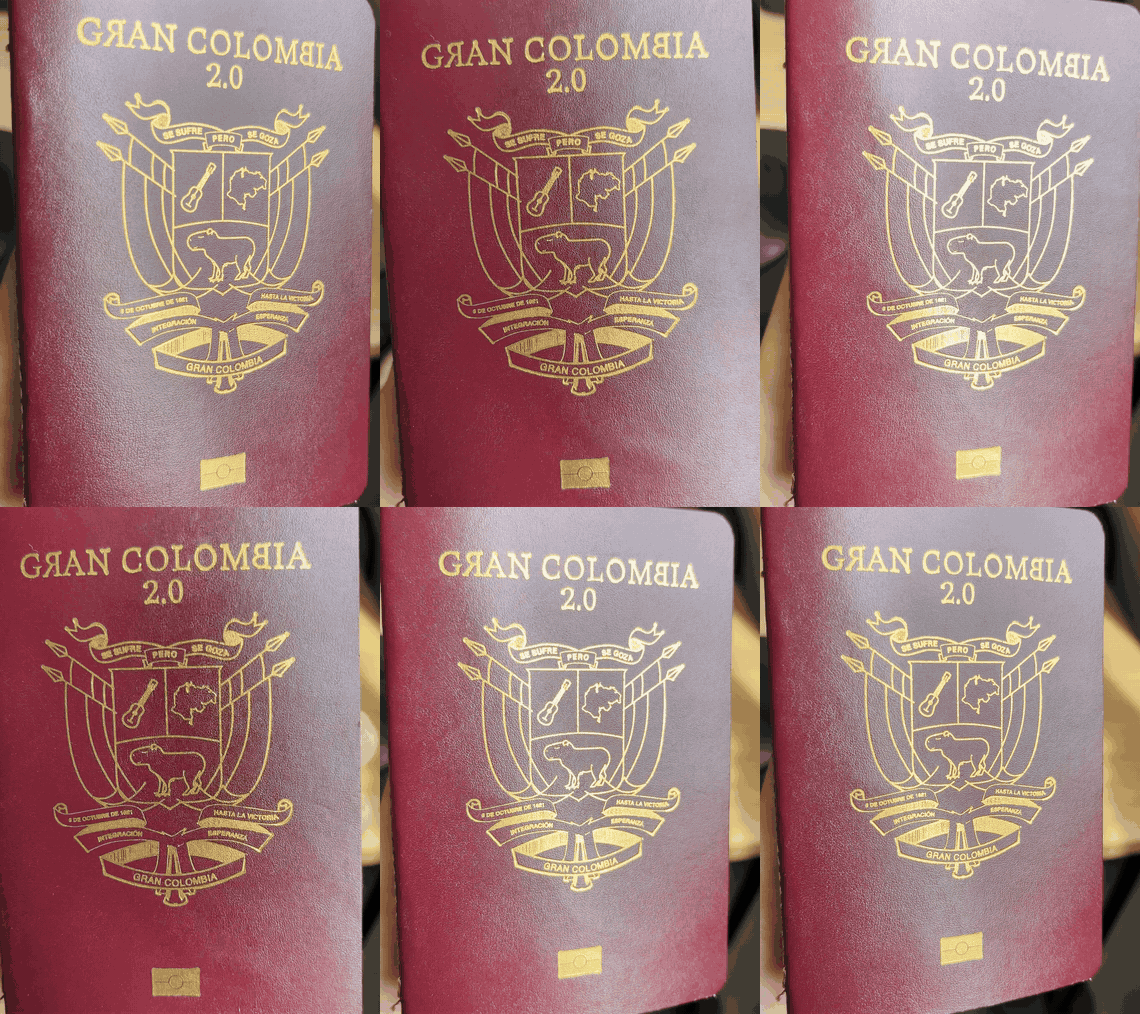
The research combined fieldwork with close listening on social media. We spoke with journalists, entrepreneurs, institutional representatives, and people from both countries to understand what the term meant in everyday life. These conversations informed a range of pieces, from personal profiles to playful, graphic formats. Collage became a visual language for combining textures, photographs, and testimonies, reflecting the variety of a community often reduced to a single stereotype.
Closing
El Veneco came to an end after three years. It was difficult to find funding for migration projects using such a contested name; the term proved more disruptive than funders were willing to support.
Reflection
Reconsidering my own identity
This project was deeply personal because it told not only the stories of other migrants, but my own as well. When you migrate, the first thing others see in you is your nationality, and mine felt unsettled. Becoming part of this project and reclaiming the term “veneco” gave me a place to stand. From there, I was able to rebuild my sense of Venezuelan identity, drawing on the stigma itself to begin feeling that my nationality belonged to me again.
That’s why “veneco” is not treated here as a distant subject of study. I had to work out what place the term would occupy in my own identity before I could develop a project that felt coherent, honest, and accountable to our community.