Tierra Dorada
Environmental communication developed with young leaders in mining communities.
Introduction
Communication tools for community leaders
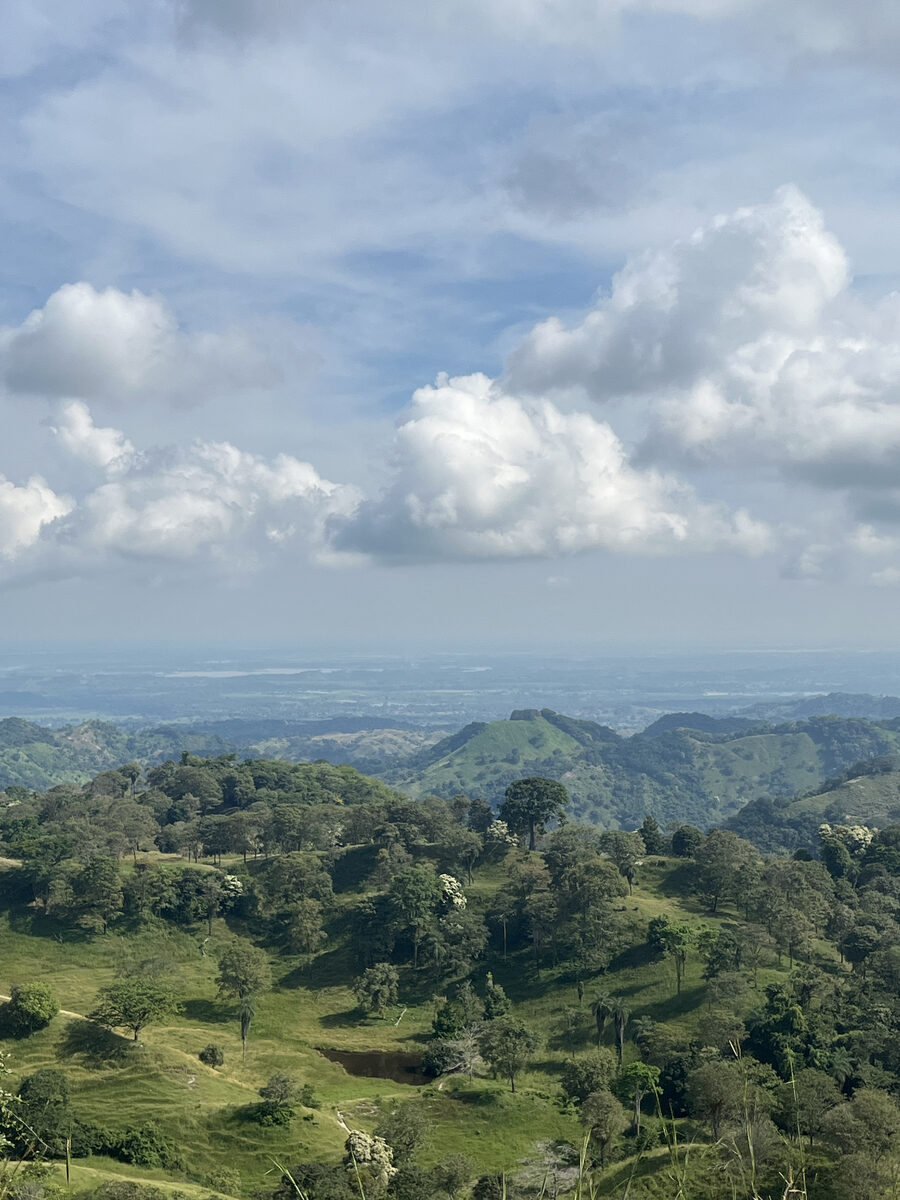
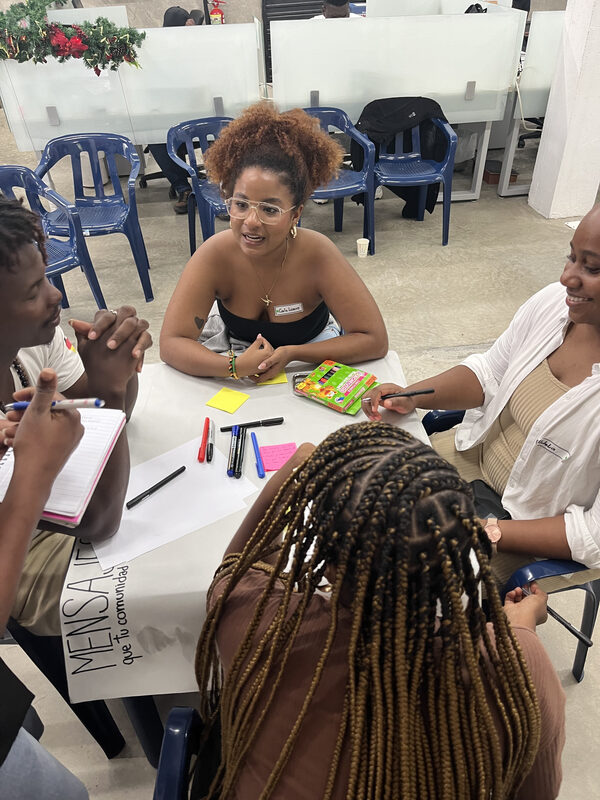
Tierra Dorada was an initiative led by Chemonics, Arteaga Latam, and CORCRESER to reduce the environmental impact of informal mining in the Serranía de San Lucas, Bajo Cauca in Antioquia, and the San Juan subregion of Chocó. I joined when the visual identity was already well developed and became part of the communications team. My work focused on designing and structuring workshops that gave local leaders conceptual and creative tools to communicate the environmental challenges in their municipalities.
Context
Different territories, different ways of communicating
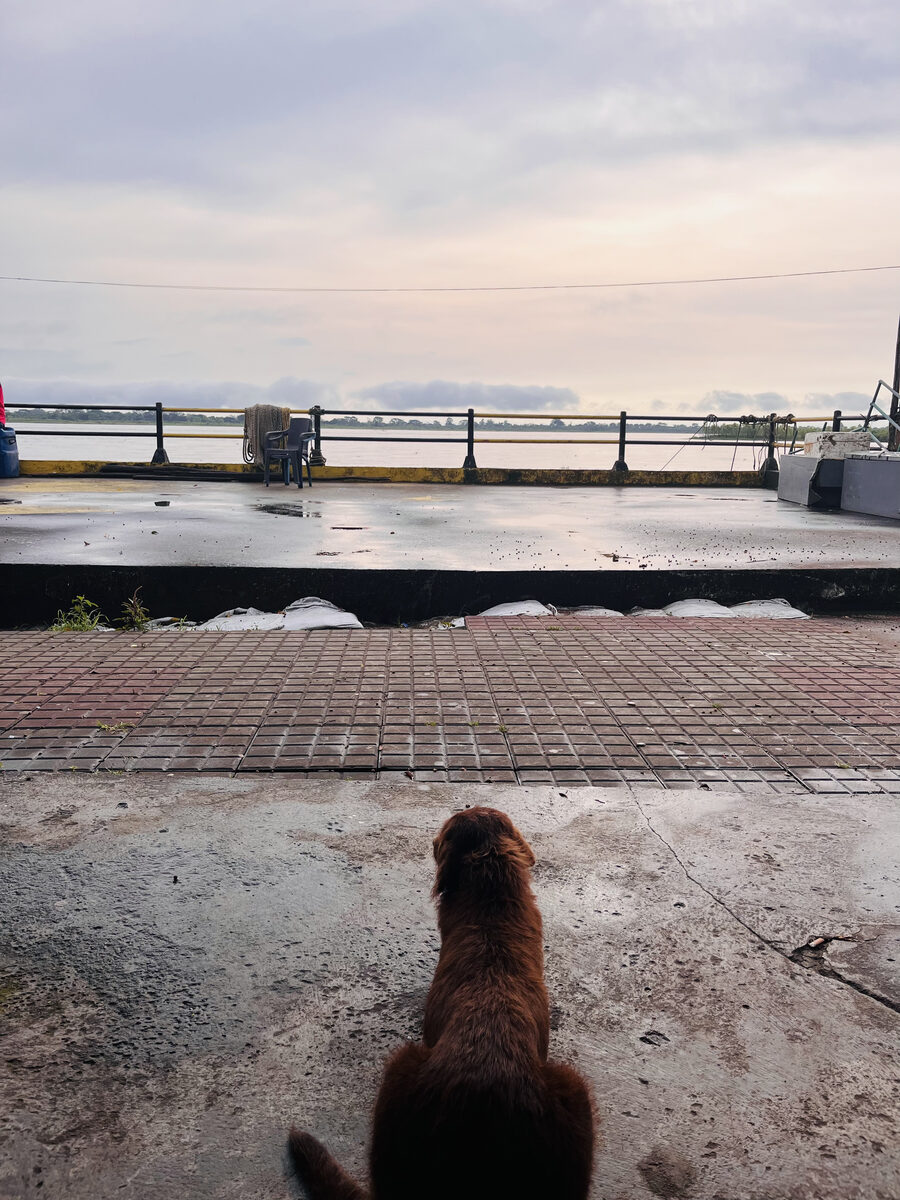
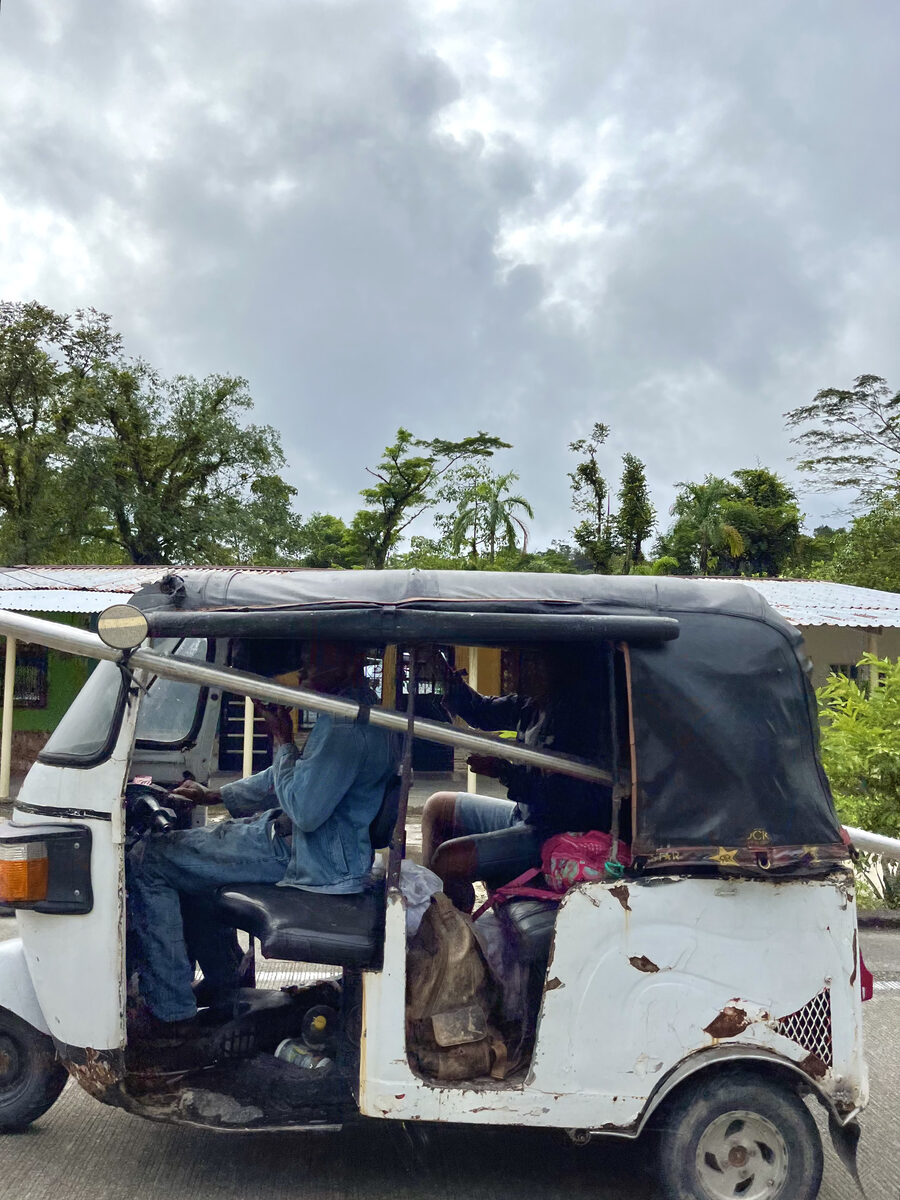
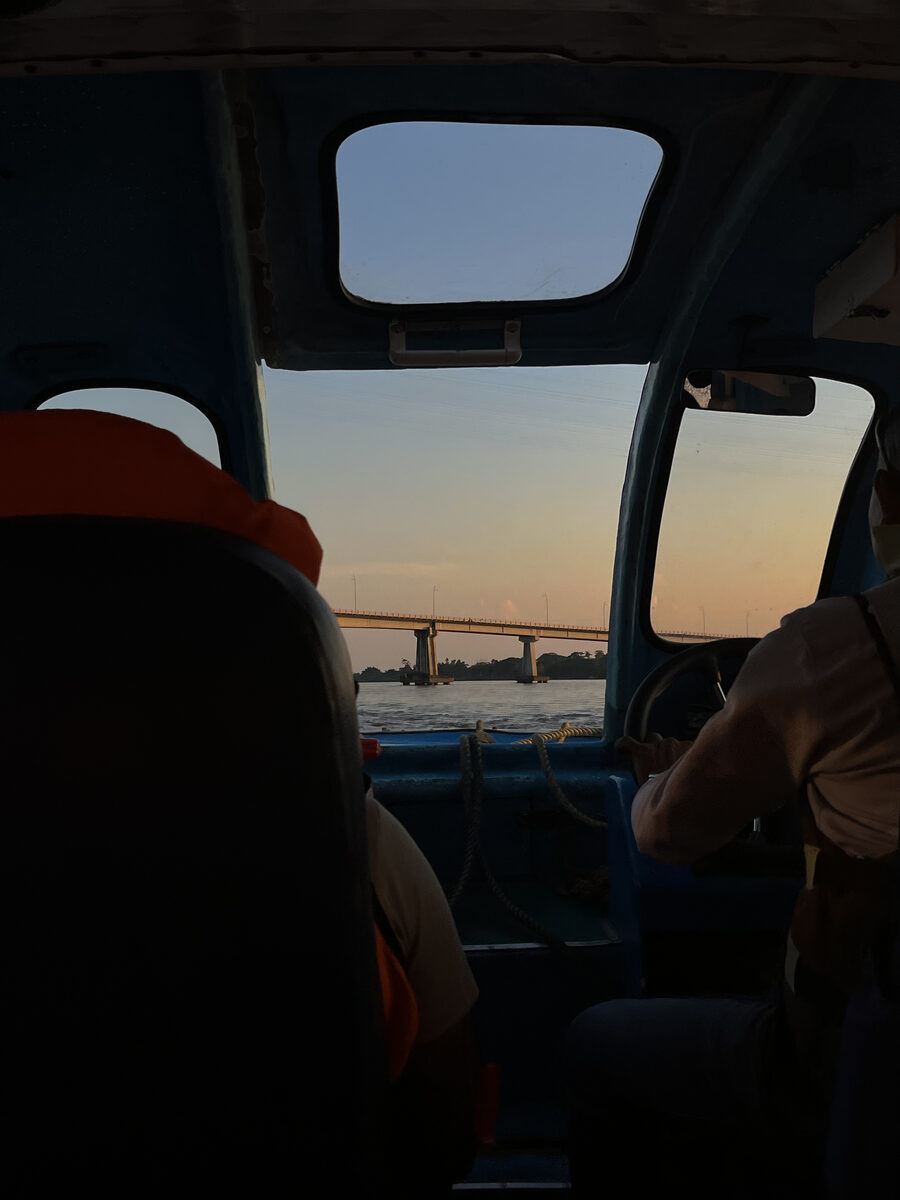
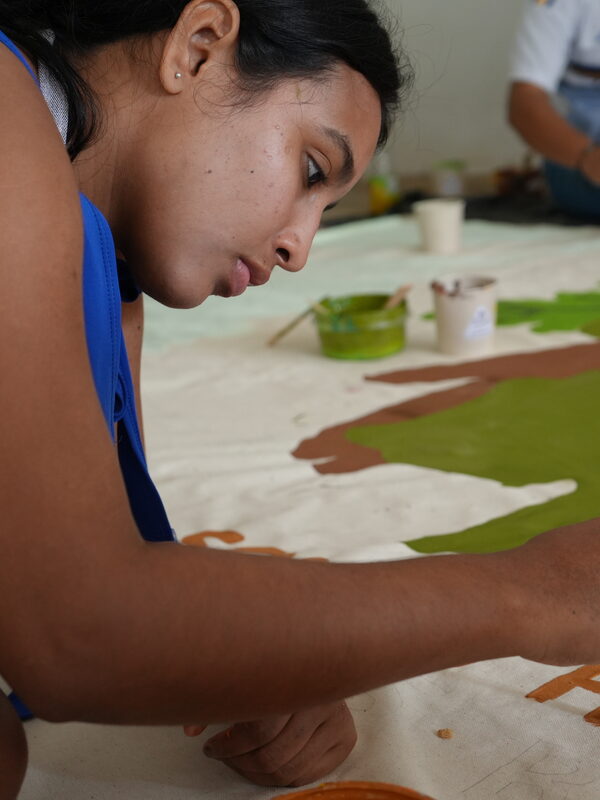
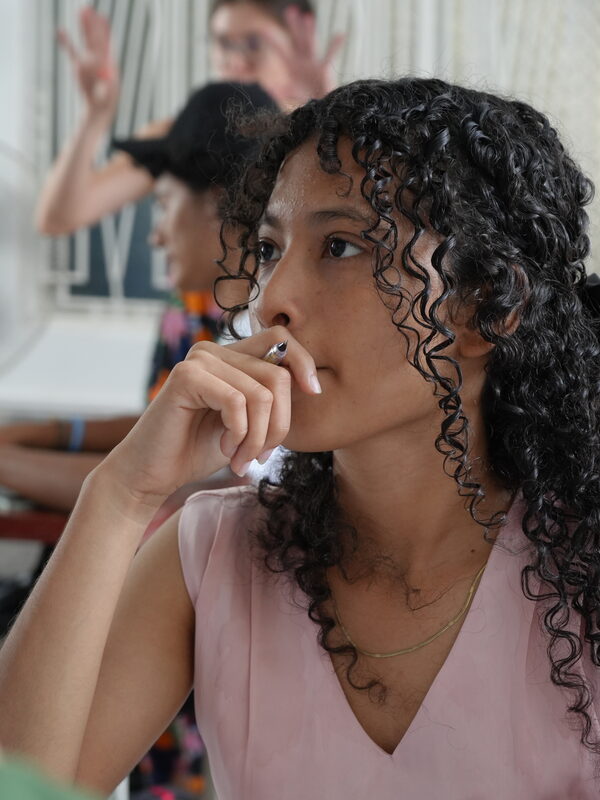
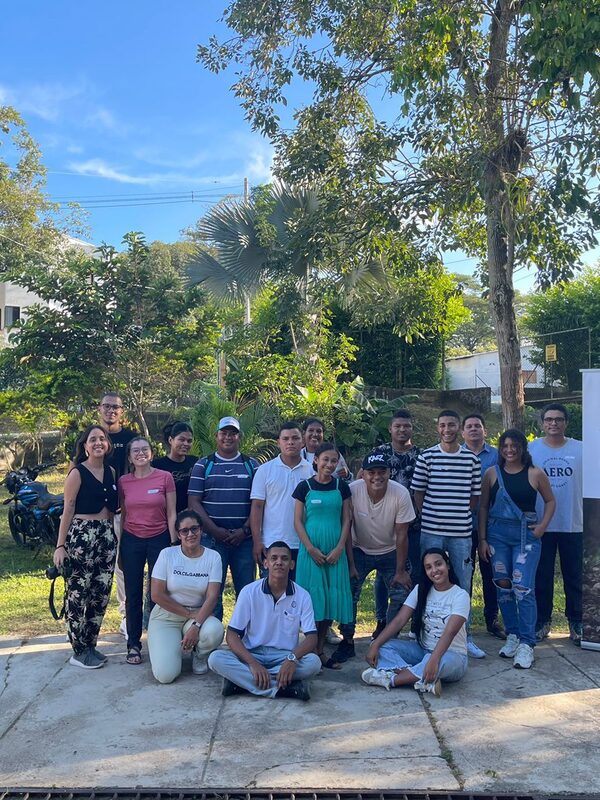
The project took place in areas affected by informal mining and complex security dynamics. We worked directly with young leaders, artists, musicians, and local cultural groups. Given the cultural diversity across communities, the workshops couldn’t follow a fixed format. They had to adapt to the language, rhythms, and forms of expression of each place.
Research
Understanding each territory through direct listening
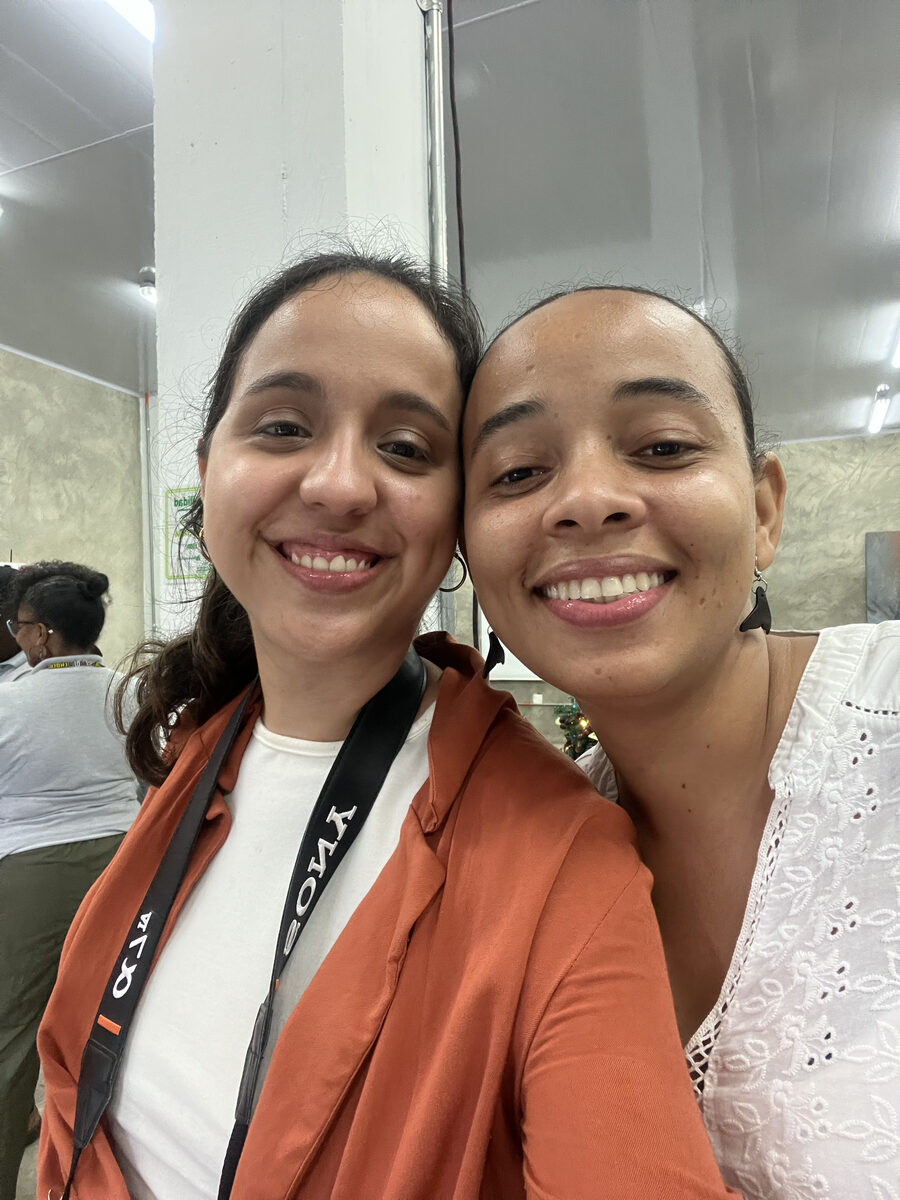
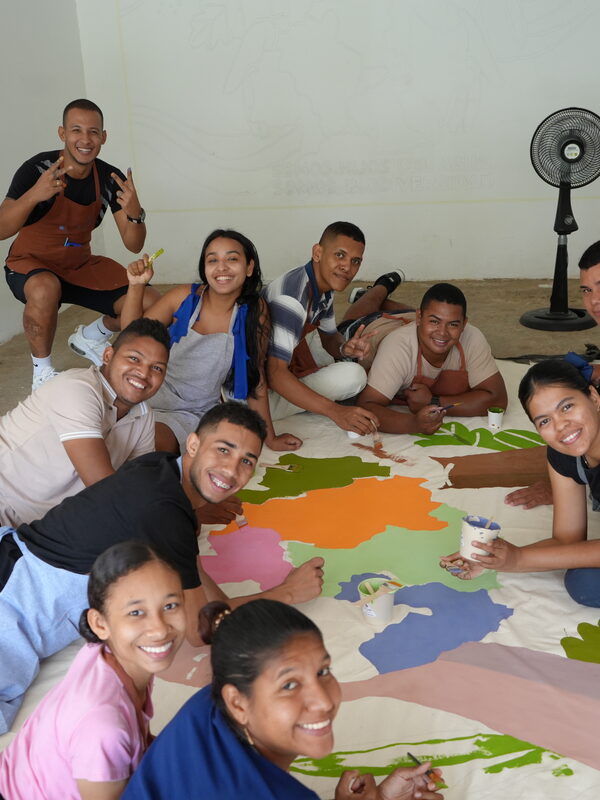
Through interviews, observation, and active listening, we explored how young people expressed themselves in their daily lives and which communication channels their communities already used. These insights informed the approach for each workshop.
Decision
Sharing tools rather than imposing finished materials
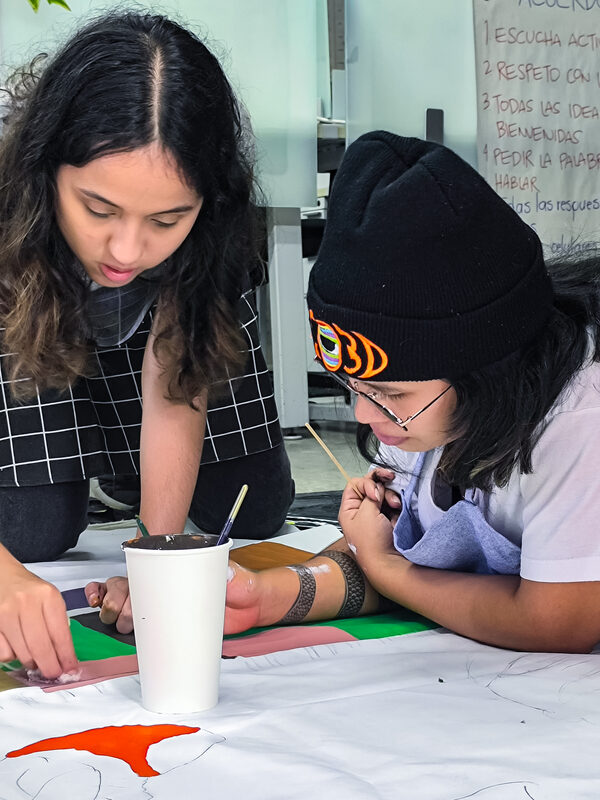
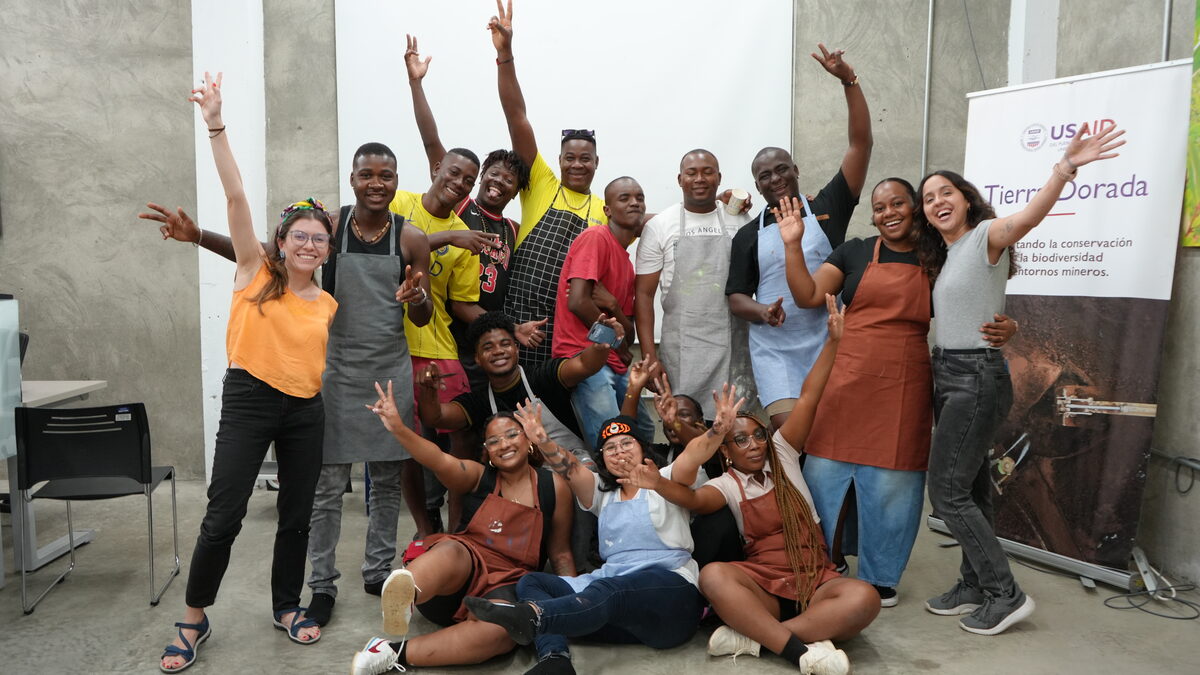
A key decision was to define my role as a designer working directly in the territory. Rather than producing finished pieces remotely, I focused on training young leaders and giving them conceptual and creative tools to communicate their environmental knowledge in their own ways. My role was to connect the project’s objectives with the realities of each community.
Result
Environmental campaigns created with local young people
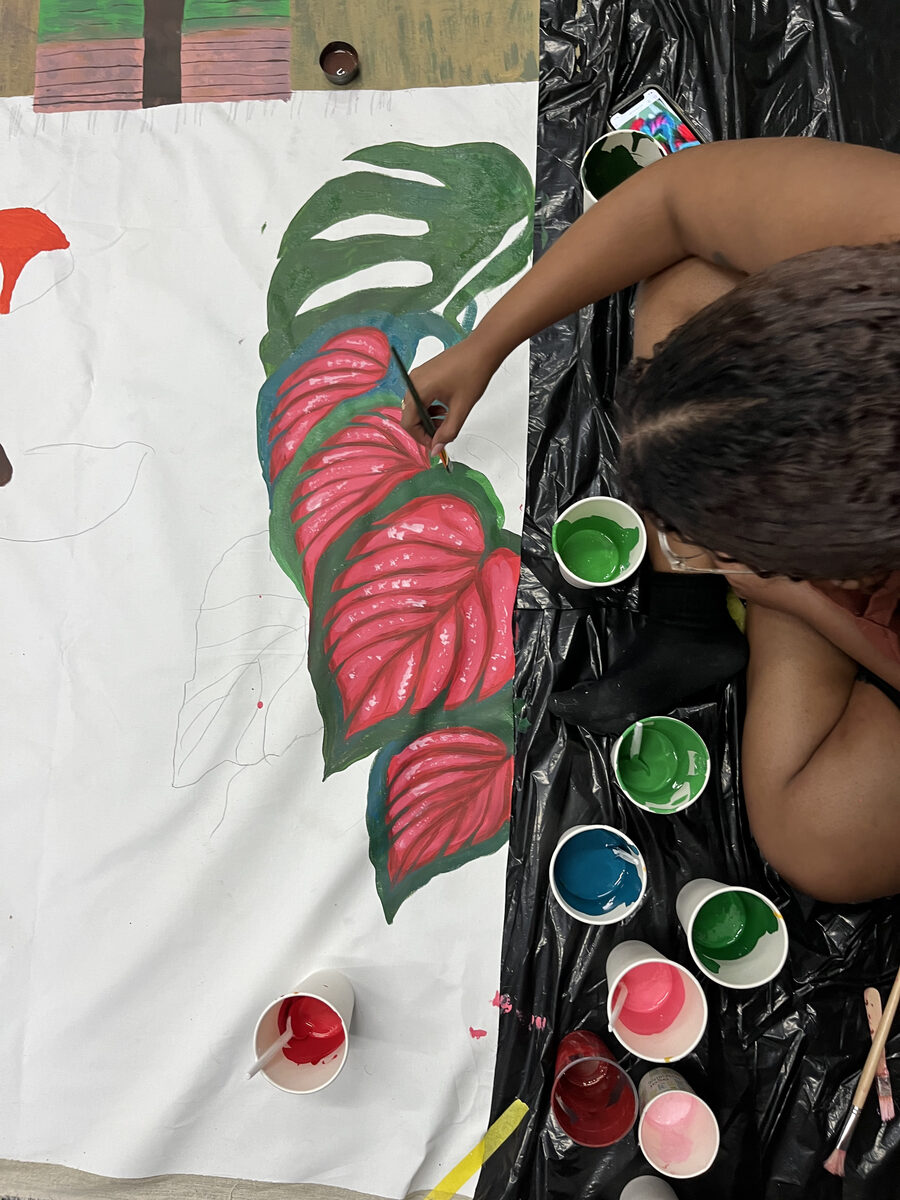
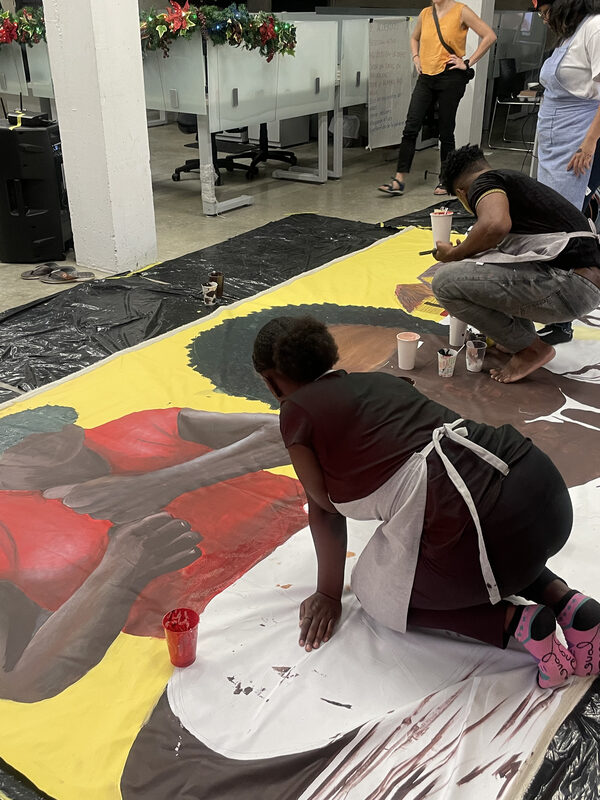
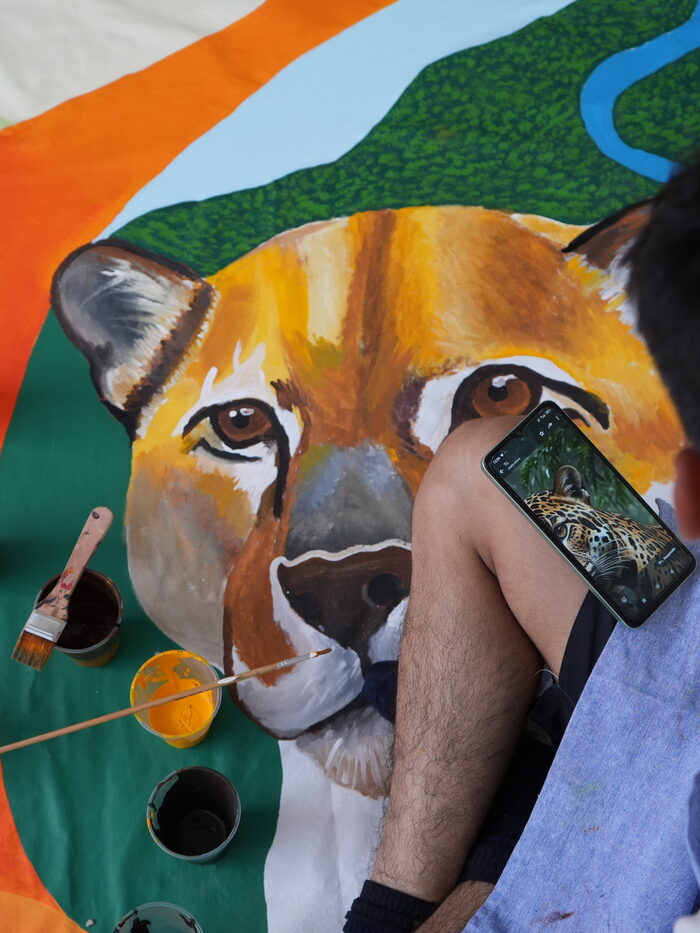
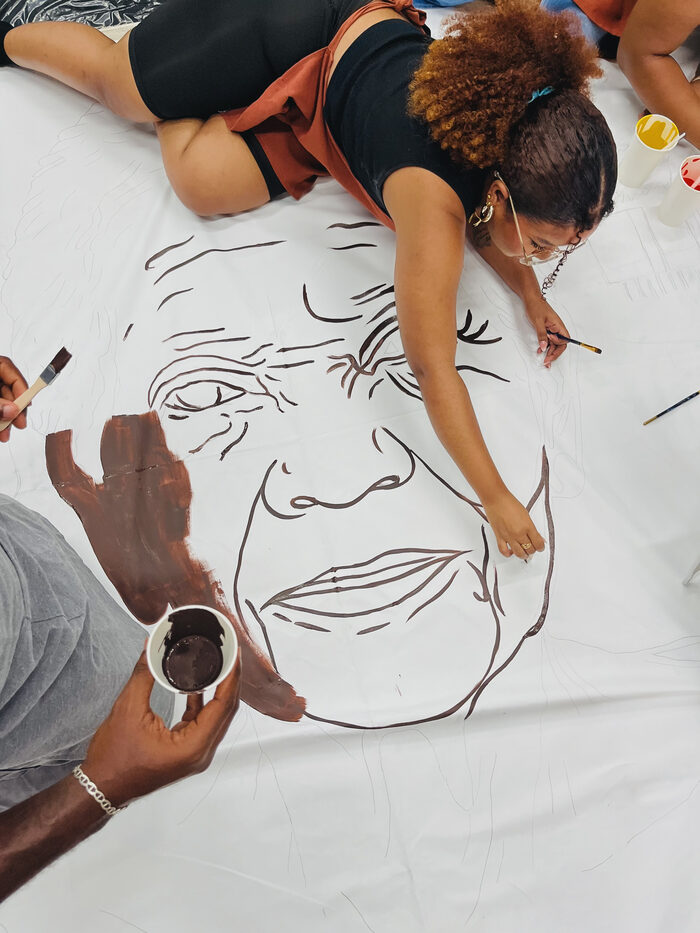
The young people created murals, songs, poems, and audiovisual pieces about protecting water, soil, and air in areas affected by mining. The approach enabled communities to develop environmental messages in their own cultural forms of expression, helping those messages feel relevant and rooted in local realities.
Reflections
Designing in response to each territory
What I value most about my time at Arteaga Latam is the opportunity to work directly with communities. As a designer, I find the creative process most meaningful when it extends beyond the screen and supports organizations working on social and environmental issues. Even in difficult circumstances, I encountered joy, inspiration, and a strong commitment to communicating these messages. The experience reinforced my belief that design can work beyond digital spaces and support the voices of people working to transform their communities.