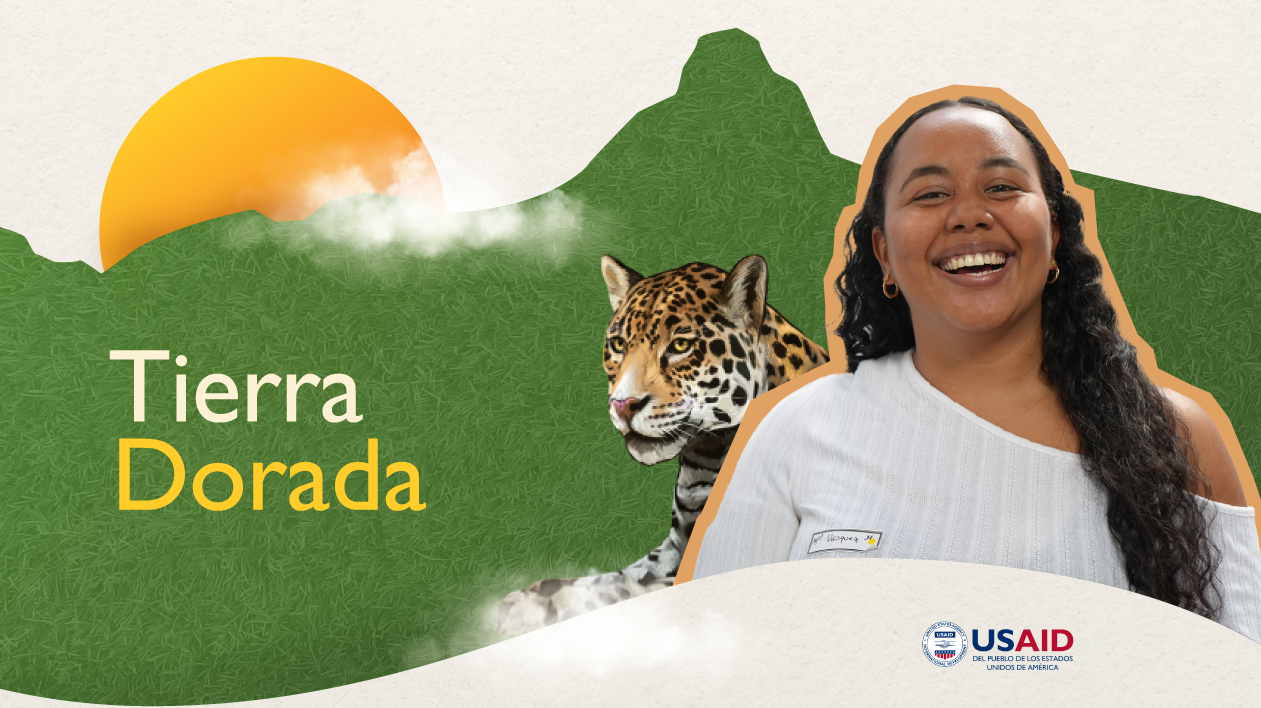
Tierra Dorada
Environmental communication built together with young leaders in mining territories.
Introduction
Communication and teaching tools for community leaders
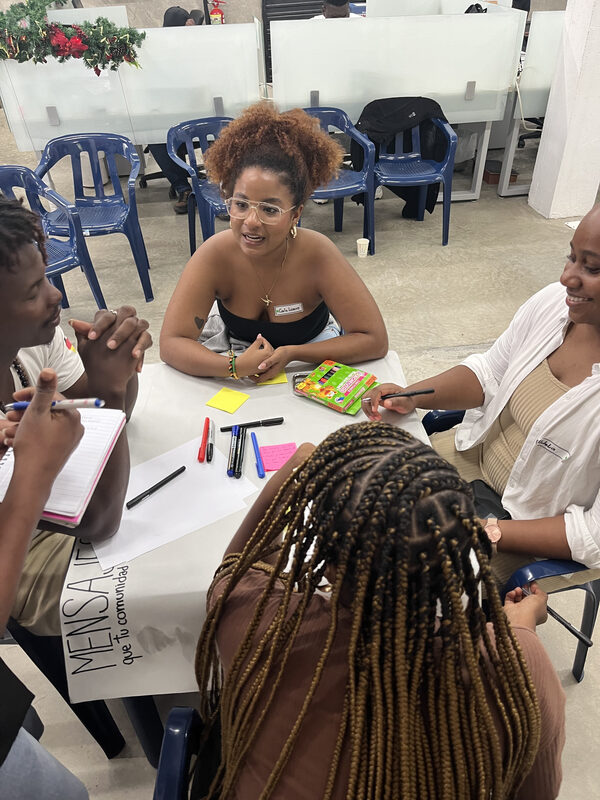
Tierra Dorada was an alliance between Chemonics, Arteaga Latam and CORCRESER aimed at reducing the environmental impact of informal mining practices in the Serranía de San Lucas, the Bajo Cauca in Antioquia and the San Juan subregion of Chocó. I joined the project when the visual identity was already well advanced, becoming part of the communications team. My work focused on designing and structuring training workshops, giving local leaders conceptual and creative tools so that they themselves could communicate the environmental challenges in their municipalities.
Context
Complex territories and diverse local languages
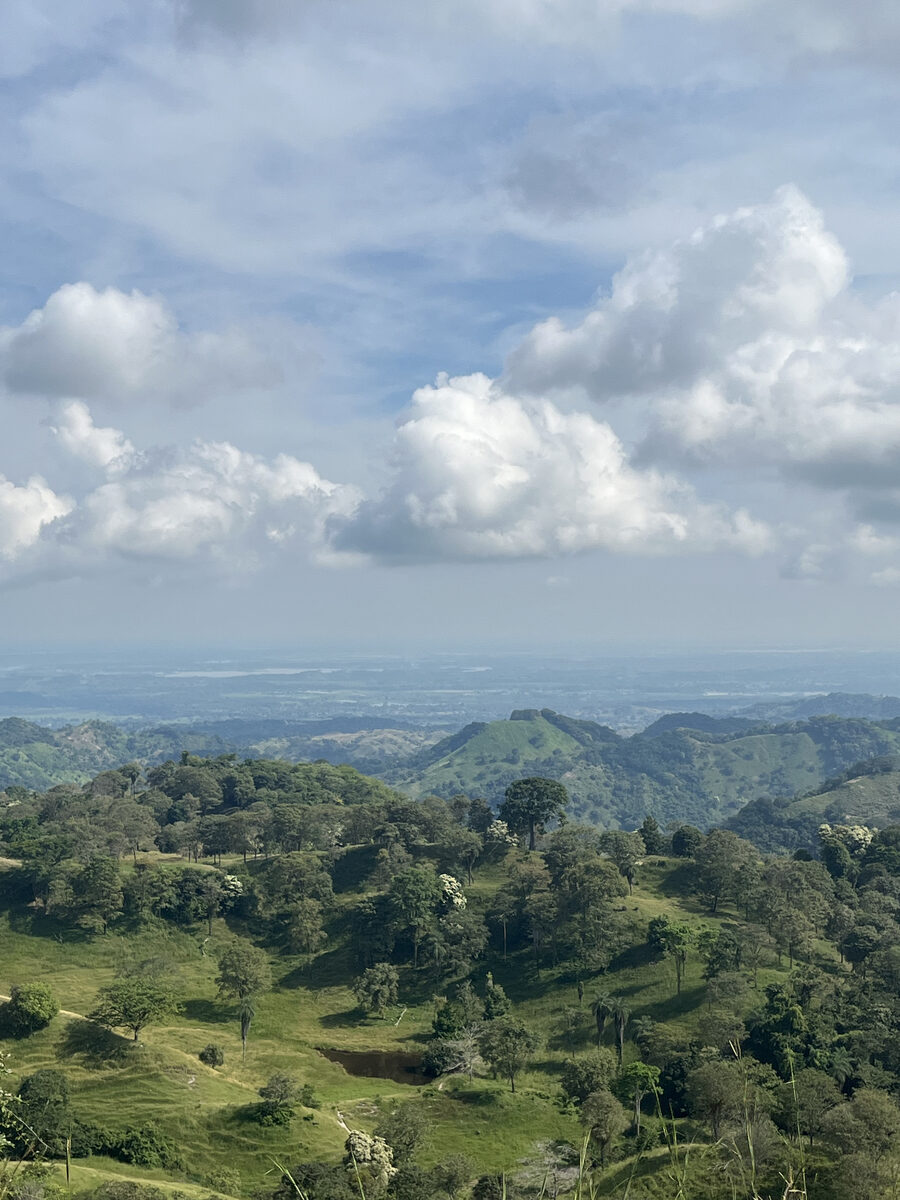
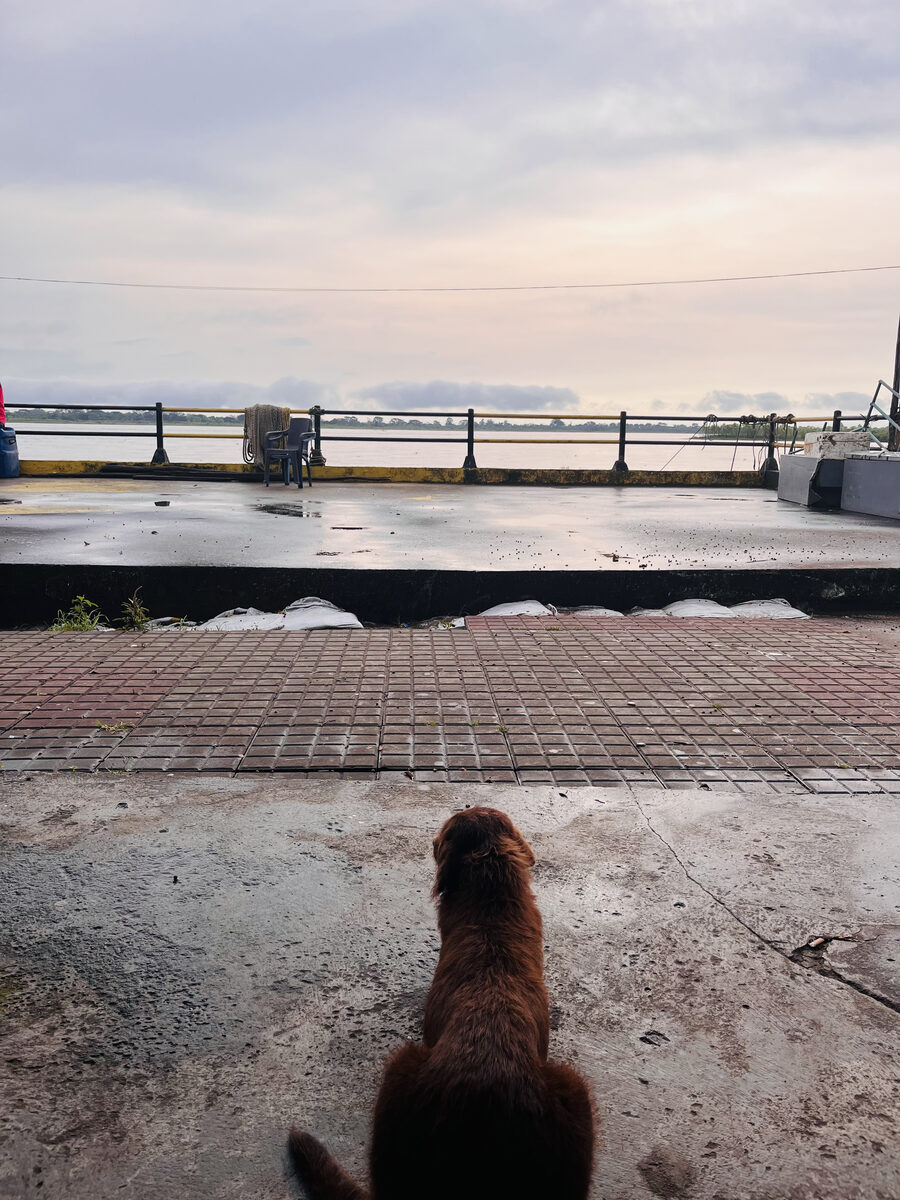
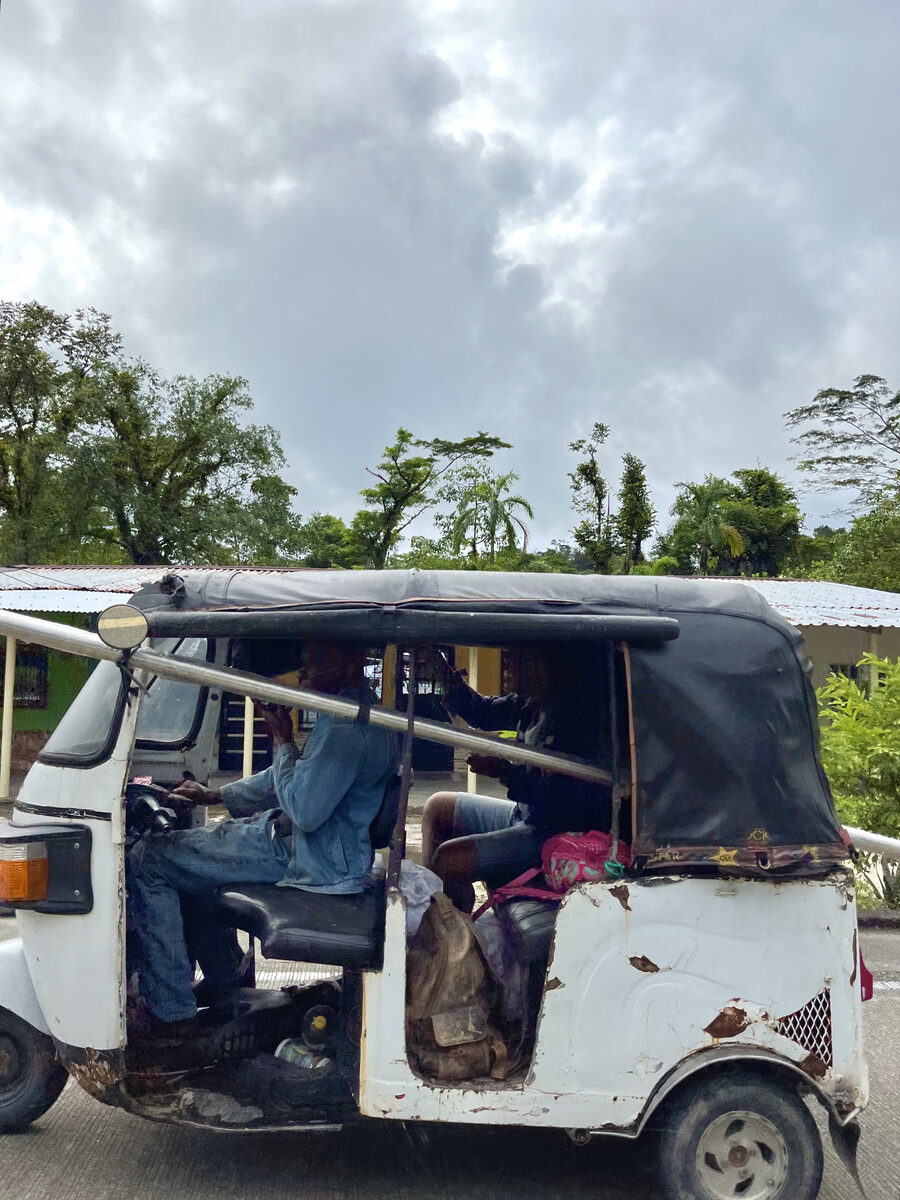
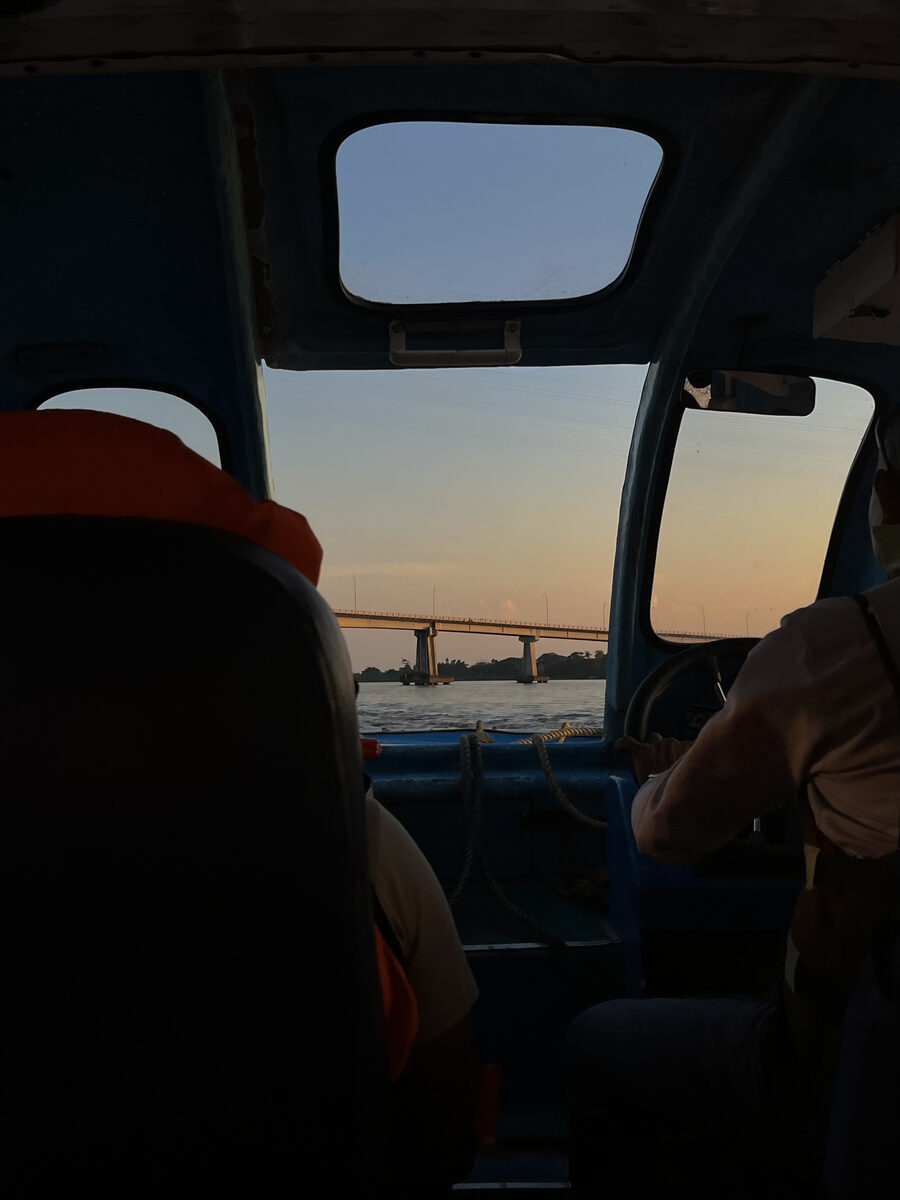
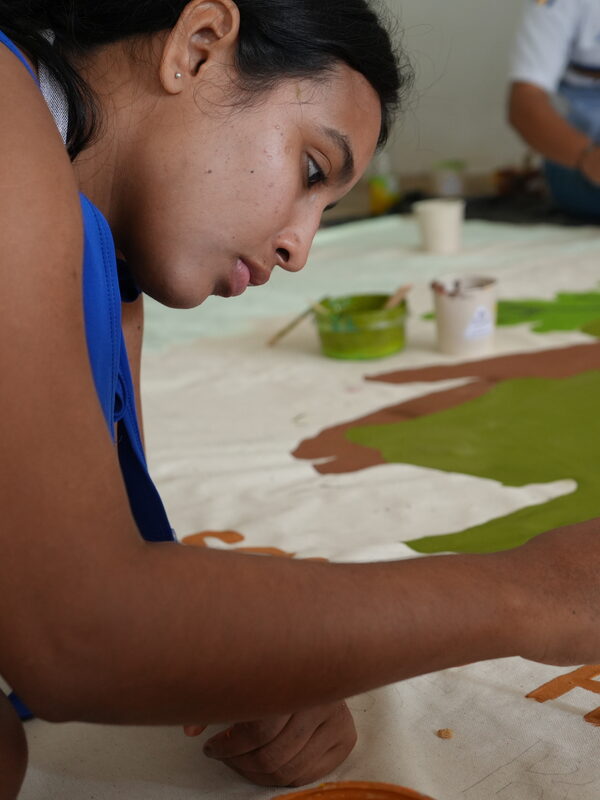
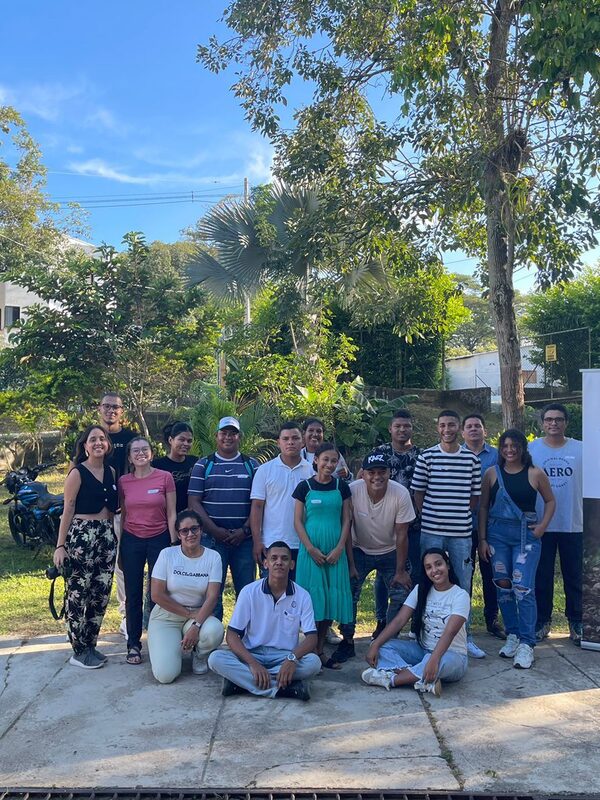
The intervention took place in remote rural areas marked by informal mining and complex security dynamics. We worked directly with young leaders, artists, musicians and local cultural collectives. Because of the strong cultural diversity between communities, the workshops couldn’t follow a rigid format and had to adapt to the languages, rhythms and forms of expression of each municipality.
Research
Immersion in the territory and direct listening with young leaders
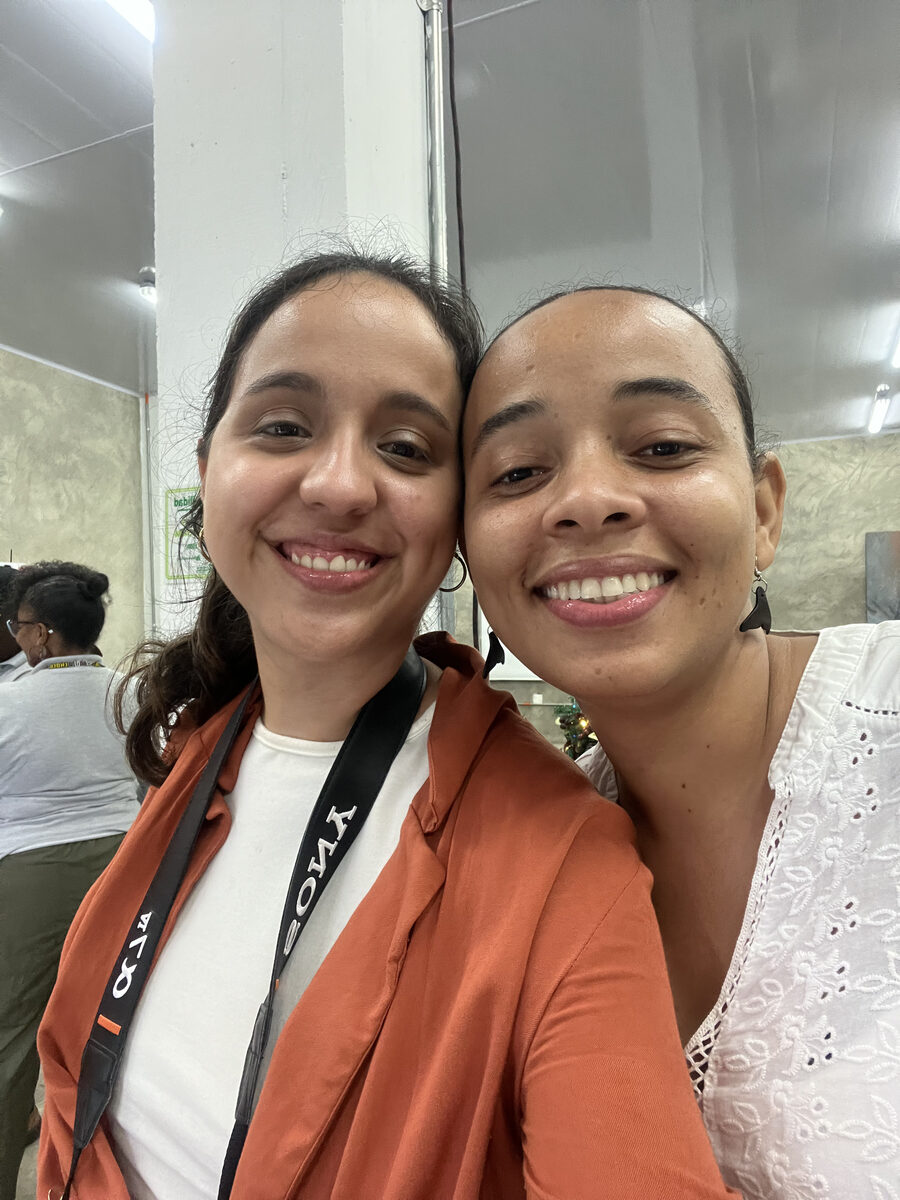
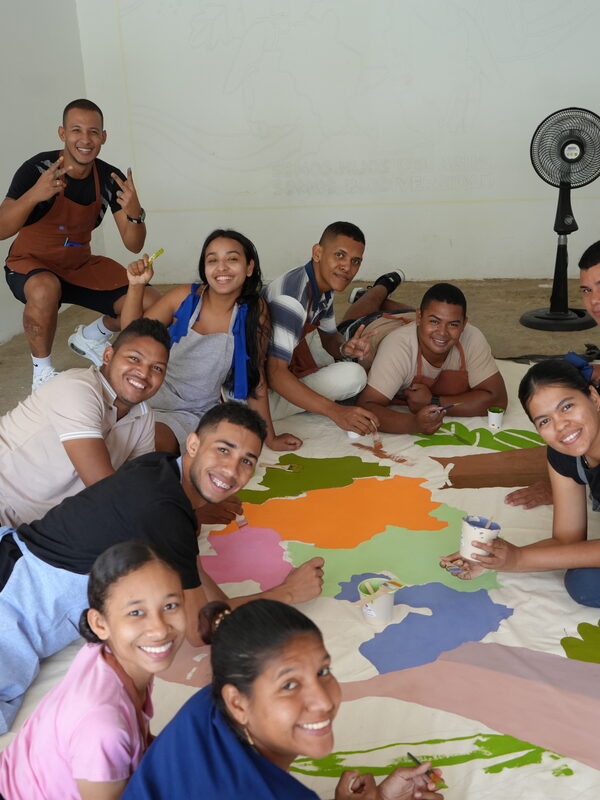
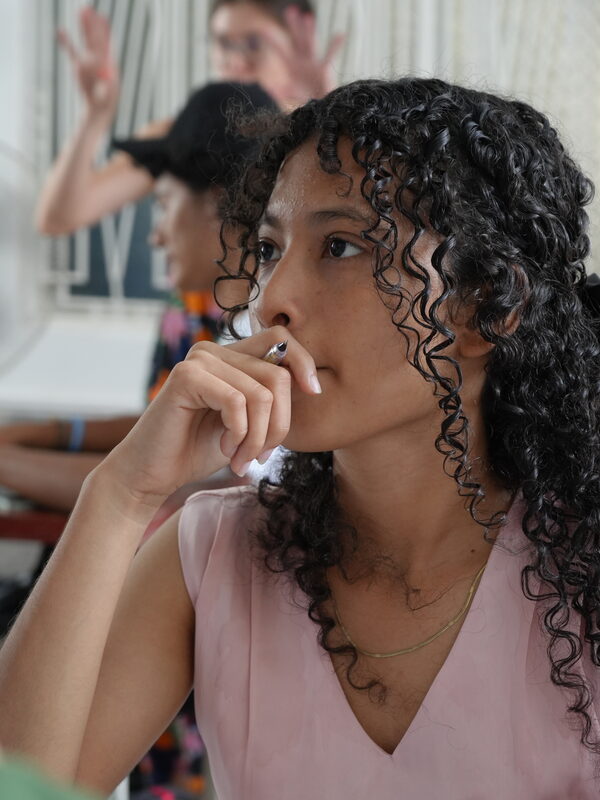
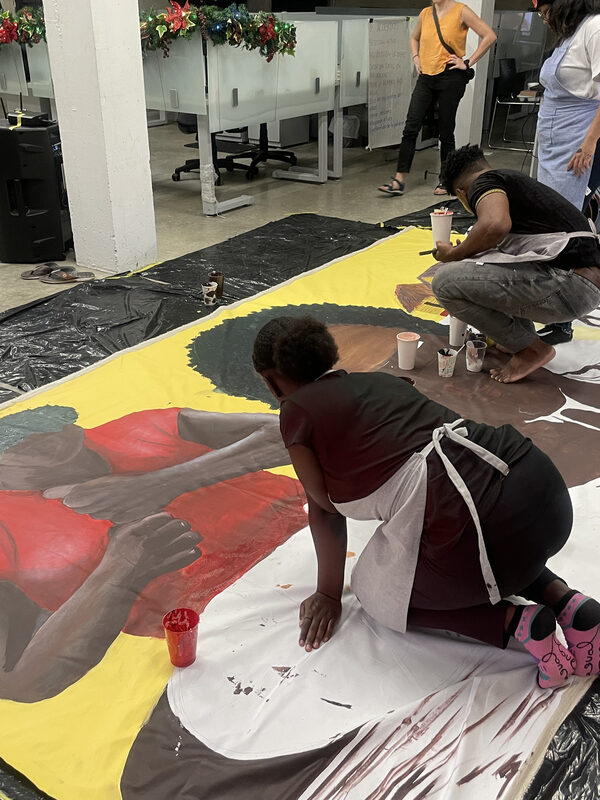
The research was based on face-to-face fieldwork with art collectives and youth leaders in the municipalities where we worked. Through interviews, observation and active-listening exercises, we mapped their everyday forms of expression and their usual community channels before defining the teaching methodology for each workshop.
Decisions
Giving the community tools instead of imposing corporate pieces
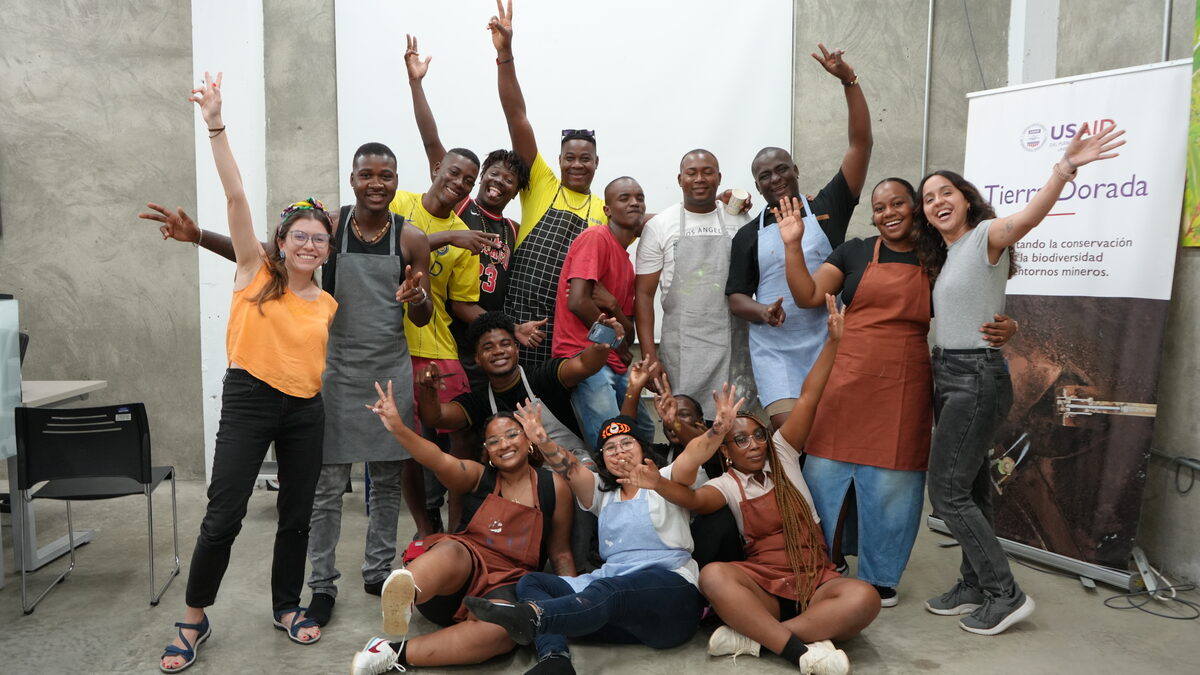
The central decision wasn’t visual but strategic: defining the designer’s role in the territory. Instead of producing finished pieces from a desk, the work consisted of training young leaders and giving them conceptual and creative tools so that they could be the ones to communicate their environmental learnings. I acted as a bridge between the consortium’s guidelines and local realities, taking on the role of a teaching facilitator more than a final author, and prioritizing community ownership over strict control of the graphics.
Result
Environmental campaigns co-created and led by local youth
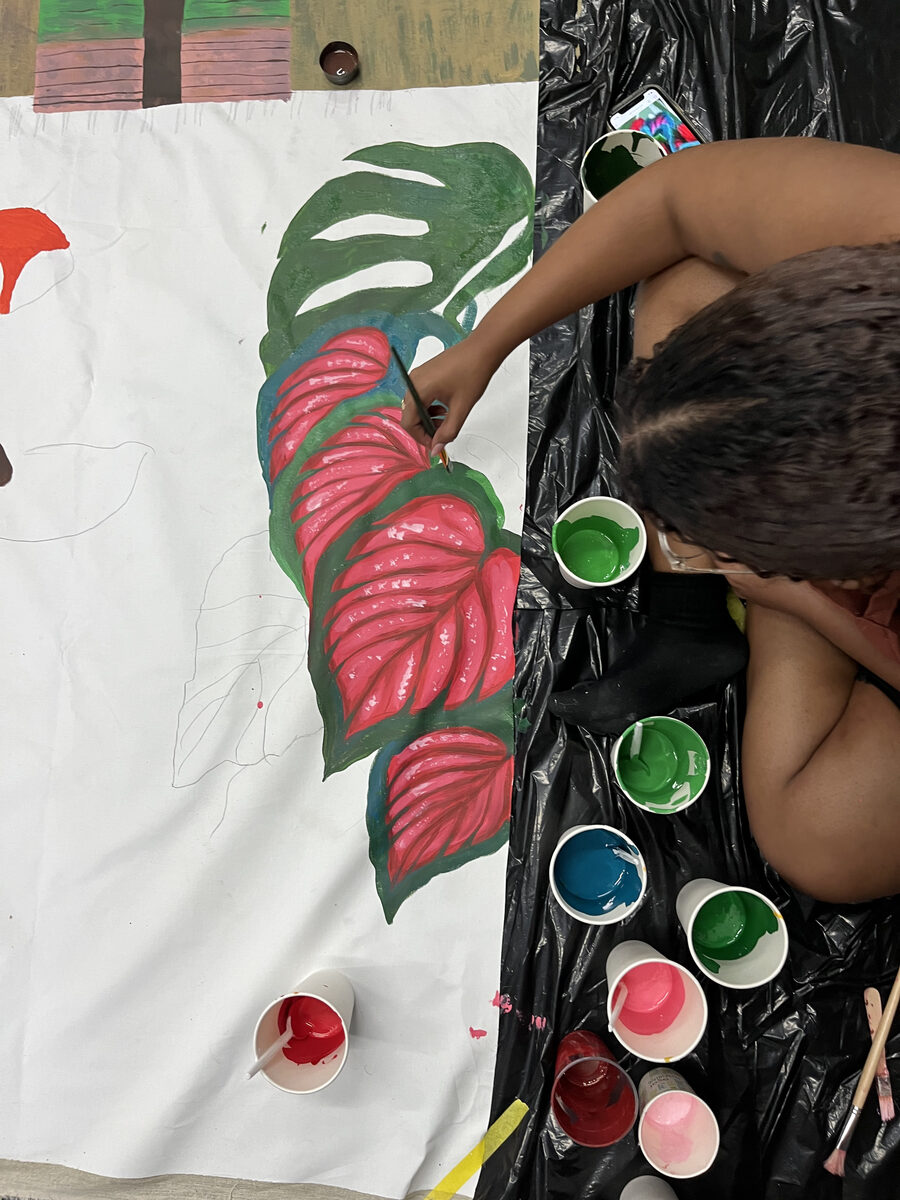
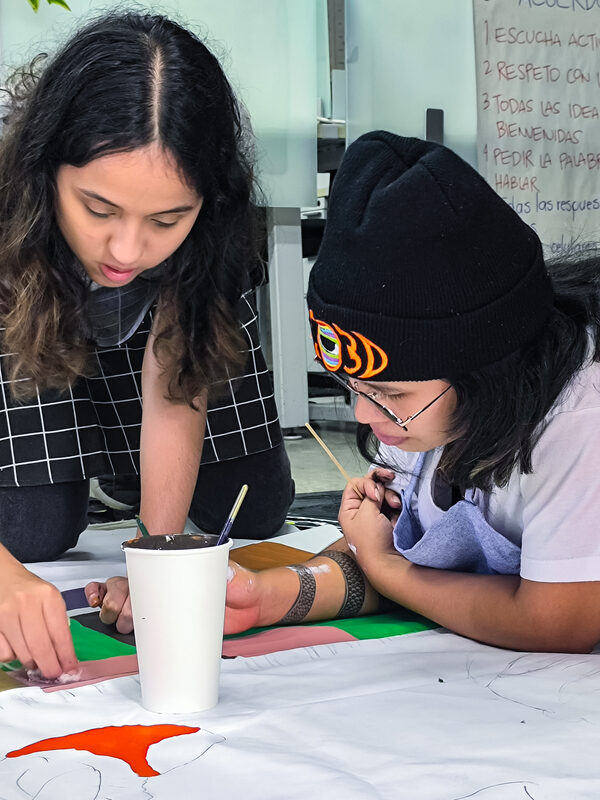
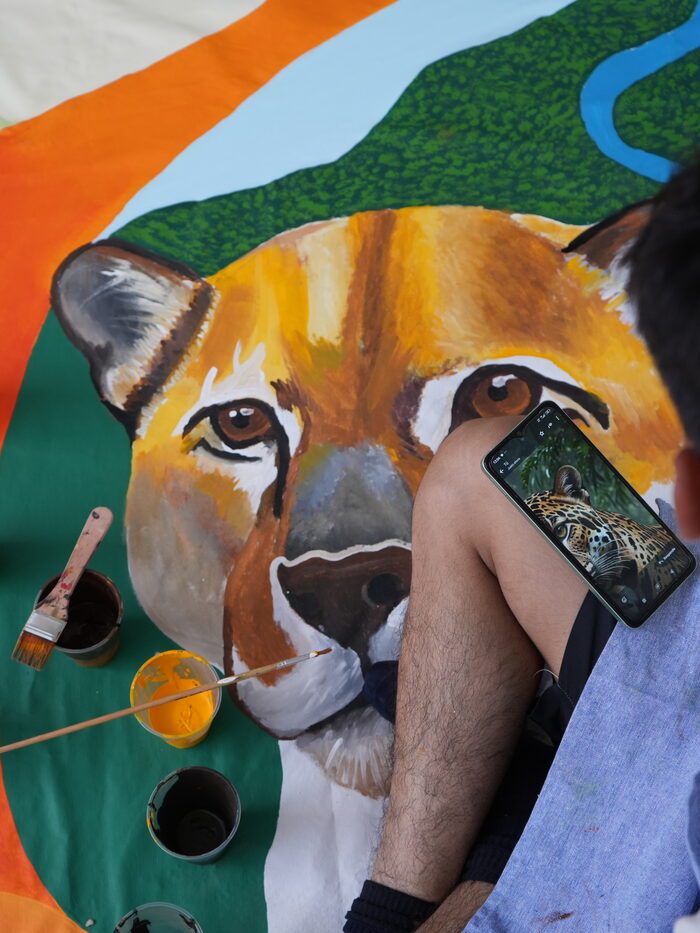
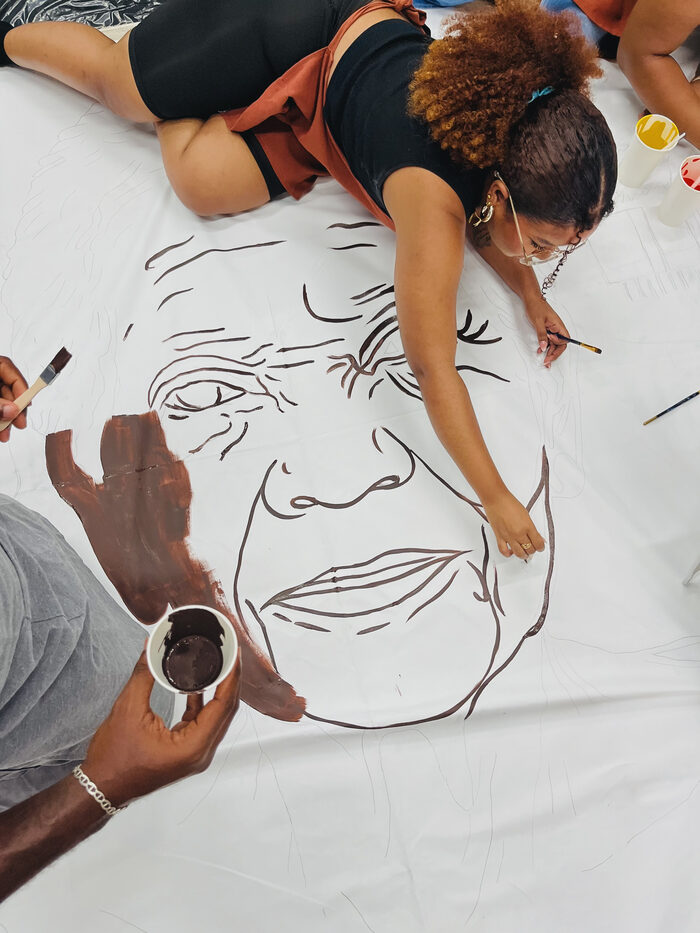
As a result of the workshops, murals, songs, poems and audiovisual pieces were co-created, all focused on caring for water, soil and air in mining enclaves. The young leaders weren’t just attendees; they took an active role as spokespeople and content producers in their municipalities. The strategy ensured that communities built their own environmental mitigation messages using their usual cultural expressions, guaranteeing local legitimacy.
Reflections
Designing with purpose, in service of the human realities of the territory
From my time at Arteaga Latam, what I value most is having worked directly with communities. For me as a designer, the creative process takes on real meaning when it goes beyond the screen and serves organizations with social and environmental impact. Working with these young people was deeply confronting — hearing their stories of leadership in contexts where exercising it can cost your life moved me and taught me about determination. Despite the hostility of their surroundings, there was always joy, inspiration and an absolute commitment to their messages. I came home certain that my craft doesn’t belong only to the digital space, but to the places where design can back the voice of those who are transforming their territory.